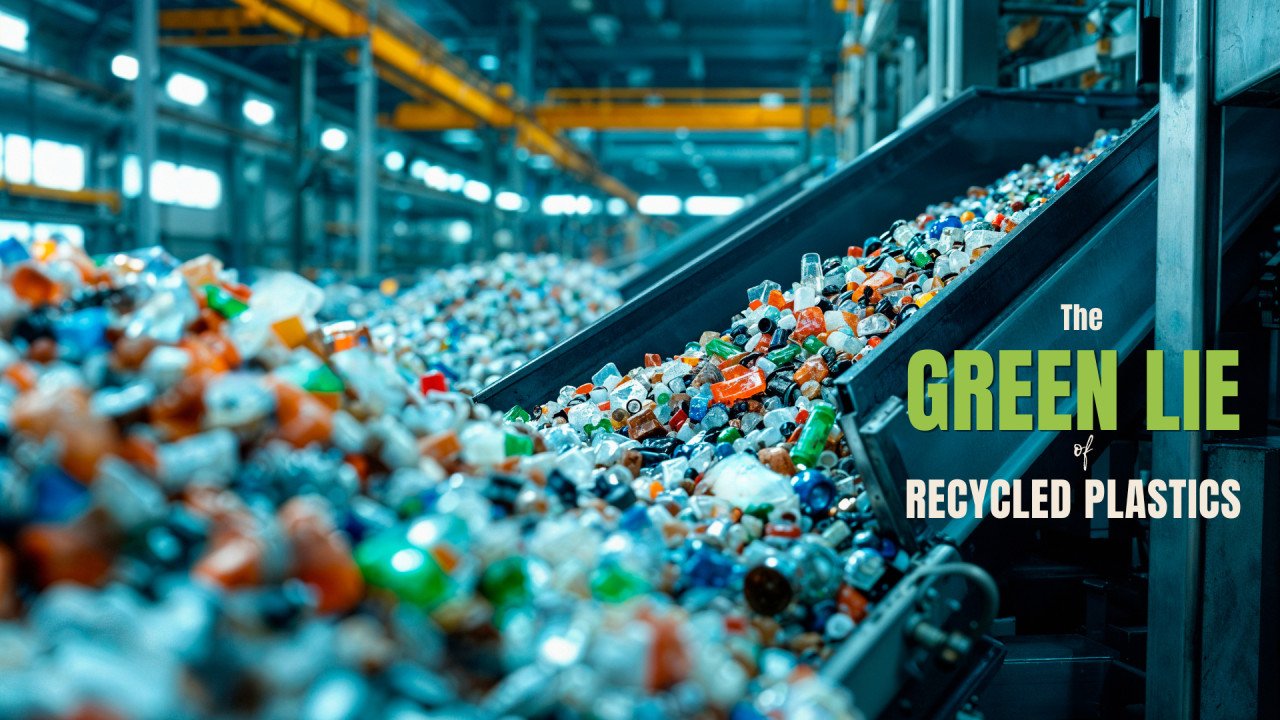
Many states are announcing ambitious targets for plastic recycling.
Press releases, sustainability reports, glossy ESG presentations — all promise a circular future.
But when you look at the real market behavior, a different story emerges.
The uncomfortable truth is this: Most players in the value chain DON’T’ actually want recycled plastic.
Not marinas. Not manufacturers. Not even consumers.
And the reason is simple: economics.
The Recycling System Nobody Wants to Pay For
Recycling plastic sounds simple in theory:
- Marinas or consumers separate waste.
- Companies collect it.
- Recyclers process it.
- Manufacturers pay for recycling and use recycled material…
But in reality, every step in that chain costs money and increases the final price of the product.
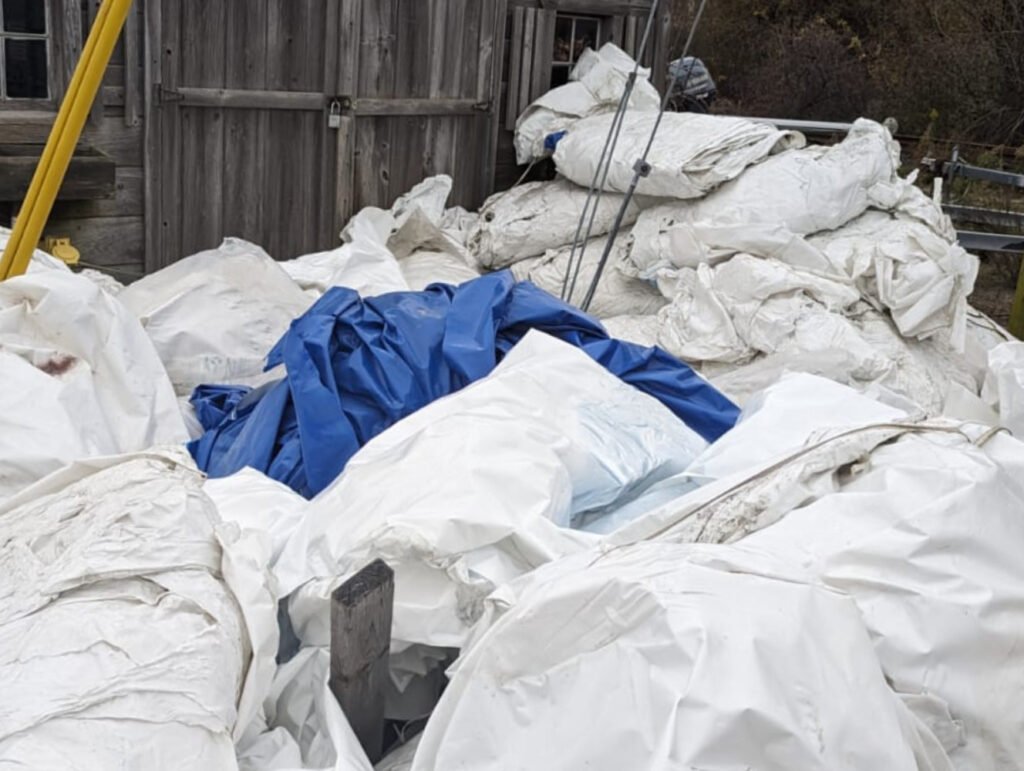
Collecting and sorting plastic waste is expensive and logistically complex. Municipalities and waste management companies must invest in infrastructure, transportation, sorting technologies, and heavily in education. Without subsidies or regulation, economics rarely works.
At the same time, many manufacturers publicly commit to using recycled plastics but hesitate when faced with the real cost and production realities.
Virgin plastic is still much cheaper, more consistent in quality, and easier to process.
The result? A market where demand for recycled plastic exists mainly in marketing presentations.
Chemical Safety Concerns Around Recycled Plastics
While recycling is often presented as a circular solution to plastic waste, scientists increasingly warn that recycled plastics may contain a complex mixture of chemicals originating from previous product uses, additives, and degradation processes. These include plasticizers, stabilizers, flame retardants, pigments, and other additives that provide specific performance characteristics. During a product’s life cycle and recycling process, these substances can accumulate or transform into additional compounds.
This chemical complexity creates challenges for ensuring consistent safety across recycled materials.
Recycling can introduce or concentrate contaminants
Recycling processes often mix plastics from many different products and sources. Because of this, cross-contamination between materials can occur, especially when plastics originally intended for different applications are processed together.
In some cases, the concentration of chemicals of concern can be higher in recycled plastics compared with virgin materials. Reviews of recycling streams have reported elevated levels of substances such as PFAS and other hazardous additives in recycled materials.
A central issue is that recycling extends the life of plastics that may already contain hazardous additives. When these materials are repeatedly processed and mixed with other plastics, legacy chemicals can persist in the recycling system and appear in new products.
Because many plastic additives historically used in manufacturing were not designed with circular recycling in mind, researchers warn that recycling systems can inadvertently redistribute chemicals of concern through new products and material streams.
Addressing chemical safety of recycled plastics will be essential if recycling is to play a major role in a future circular plastics economy.
Sources: Groh et al., Environmental Pollution (2023); Food Packaging Forum research summaries; Lithner et al., University of Gothenburg research (2023); Packaging Dive reporting on recent studies;
Even When Recycled Plastic Exists, There Isn’t Enough — or Enough Demand
Ironically, the recycled plastics market suffers from two opposite problems simultaneously.
On one side, high-quality recycled material is often in short supply. Industry participants report that suppliers can be sold out of recyclate for months due to limited supply. (interpack.com)
On the other hand, many manufacturers still choose virgin plastics whenever possible because recycled materials can introduce variability or require process adjustments, which requires more efforts and clearly involves higher cost.
Meanwhile, globally, recycled plastics represent only a small share of total plastic production — virgin plastics still dominate by a huge margin. (Wider Sense – Wandel denken)
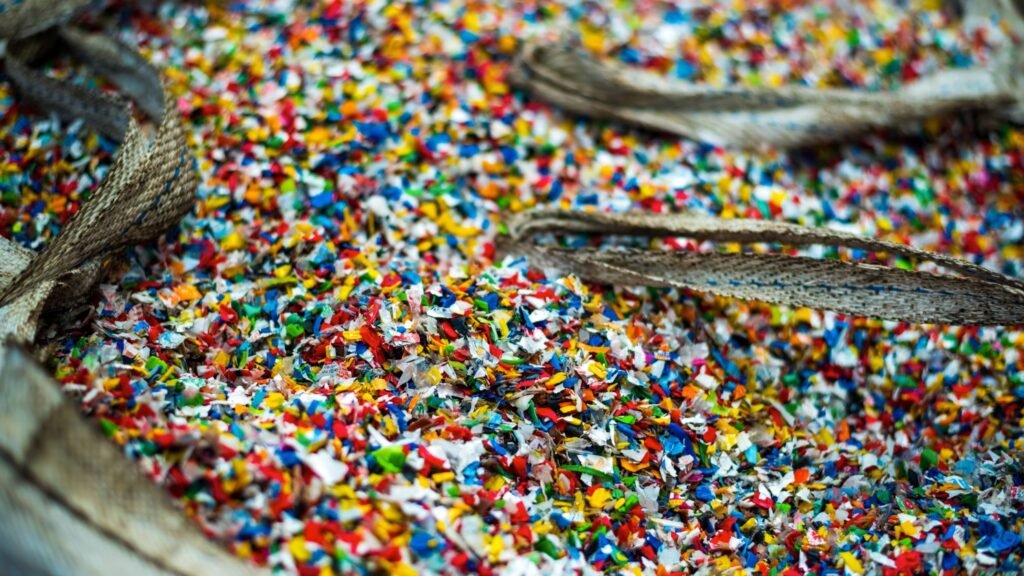
Consumers Say They Want Recycled Plastic — Until They Have to Use It
Consumers frequently say they support sustainability. But purchasing behavior tells another story.
When recycled plastic products are:
- more expensive
- slightly different in color or texture
- perceived as lower quality
sales often drop.
In other words, the sustainability preference disappears when it reaches the checkout.
The Real Problem Is Not Image — It’s the System
Many activists frame plastics recycling as a public relations problem.
But industry voices increasingly argue something different: plastics have a waste management and system problem, not just an image problem.
Recycling requires:
- efficient collection systems
- advanced sorting infrastructure
- reliable recycling technologies
- strong market demand for recycled materials, and
- big willingness of all stakeholders to make it happen!
Without all five, the circular economy cannot function. And today, those pieces rarely align.
The “Green Promise” That Everyone Repeats
So why do sustainability pledges keep multiplying?
Because every stakeholder benefits from the narrative:
- States municipalities improve ESG perception
- Governments signal environmental action
- Consumers feel responsible
- Companies avoid deeper systemic change
Meanwhile, the fundamental economics remain unchanged: recycling plastic is an expensive and potentially dangerous substance.
The Hard Question the Industry Must Answer
If we want real progress, the conversation must shift from "We want to recycle plastics" to:
- Who is willing to PAY for it?
- Who will build the infrastructure?
- Who will accept the trade-offs?
- Who will take responsibility?
Until those questions are answered honestly, the circular plastics economy will remain more aspiration than reality.
Recycling should remain a long-term objective. But until the infrastructure, economics, and chemical safety of plastic recycling are fully solved — and until “recycling” stops meaning incineration in many cases — it may be pragmatic to support additional technologies that can reduce the persistence of plastic waste today, including landfill-biodegradable materials.