All our shrinkwrap products are designed to biodegrade in landfills while maintaining your existing methods for installation, storage, and handling. This is a more sustainable solution with Zero Plastic Legacy.

All our shrinkwrap products are designed to biodegrade in landfills while maintaining your existing methods for installation, storage, and handling. This is a more sustainable solution with Zero Plastic Legacy.
When placed in anaerobic landfill environments, our formula serves as an organic attractant for microbial activity.
Microbes colonize the plastic, attach themselves, and secrete enzymes that naturally break down the polymer chains.
These fragments serve as intermediates, organic compounds that microbes consume as food.
The outcome?
Conversion to biogas (methane and CO2), along with a small amount of organic biomass. No microplastics, toxins, or residue remain.
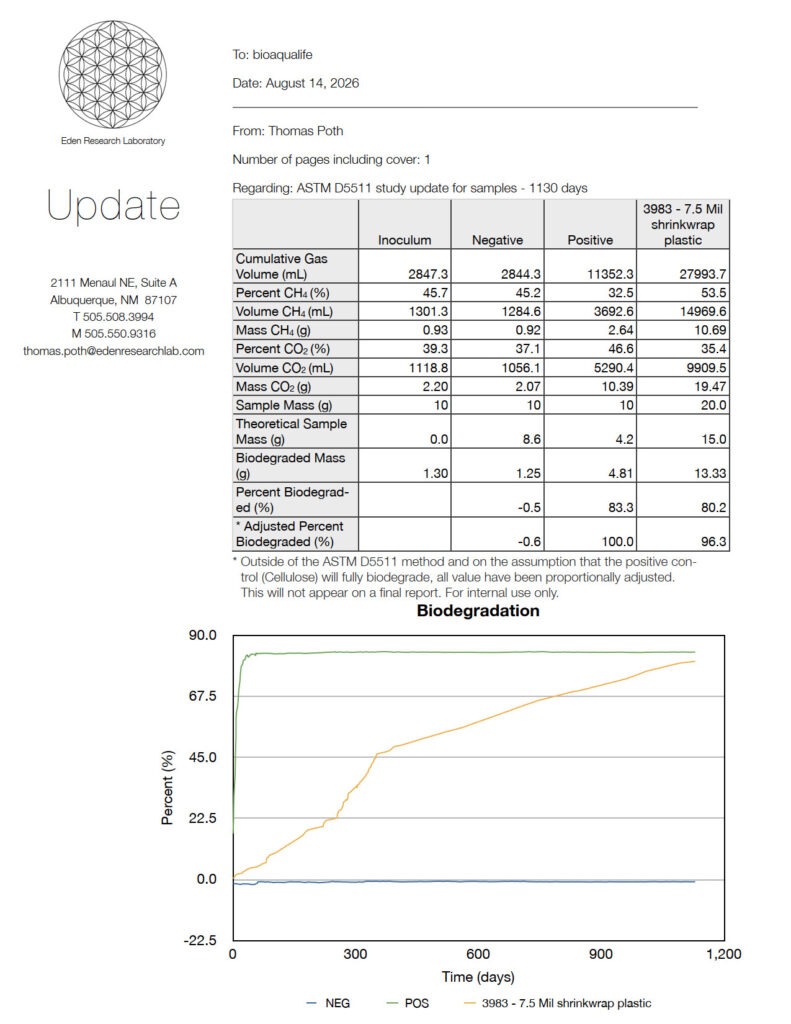
* We conduct continuous ASTM D5511 testing to verify landfill biodegradation performance. View our latest certification results.


| Feature | bioaqualife® | Traditional Plastic |
| Biodegradability | 80,2% in 1130 days (ASTM D5511) | Does not biodegrade |
| Microplastic Formation | None | Yes, fragments into microplastics |
| Recyclability | Limited, often not accepted | Limited, often not accepted |
| Biodegradation Trigger | Begins only in landfill conditions | None |
| Shelf Life | Indefinite until disposal | Indefinite until disposal |
| Fire Safety | ASTM E84 Class A Rated / EN 13501-1:2018 | May not meet any standards |


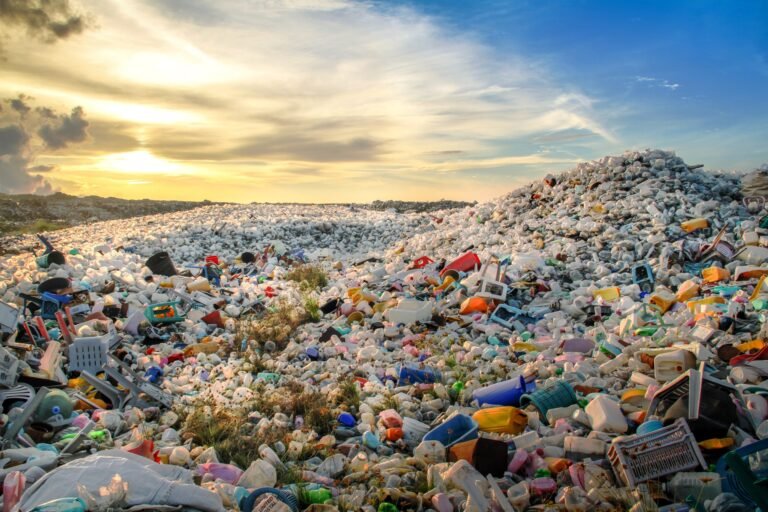
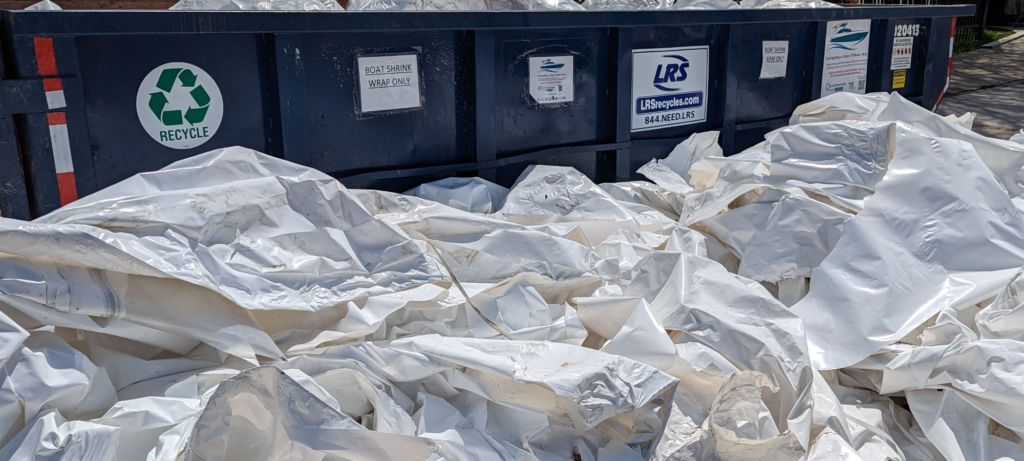
Conventional plastics exert a heavy toll on the environment, with more than 91% ending up in landfills. Lasting for centuries, these materials gradually fragment into microplastics, contaminating soil, waterways, and entire ecosystems. Yet, this represents only a fraction of a broader crisis.
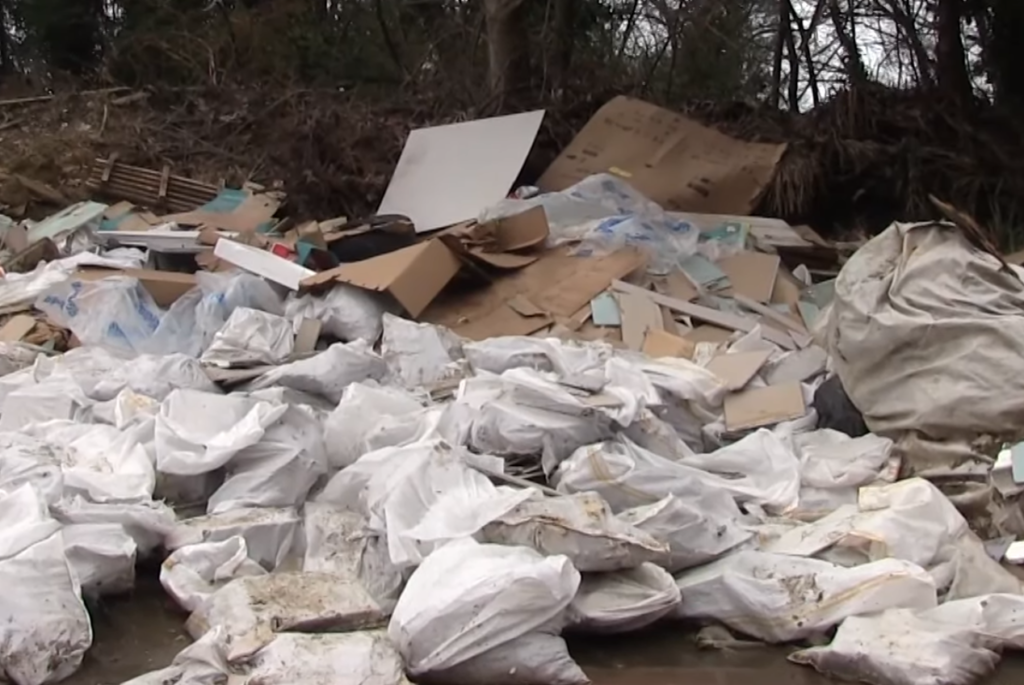
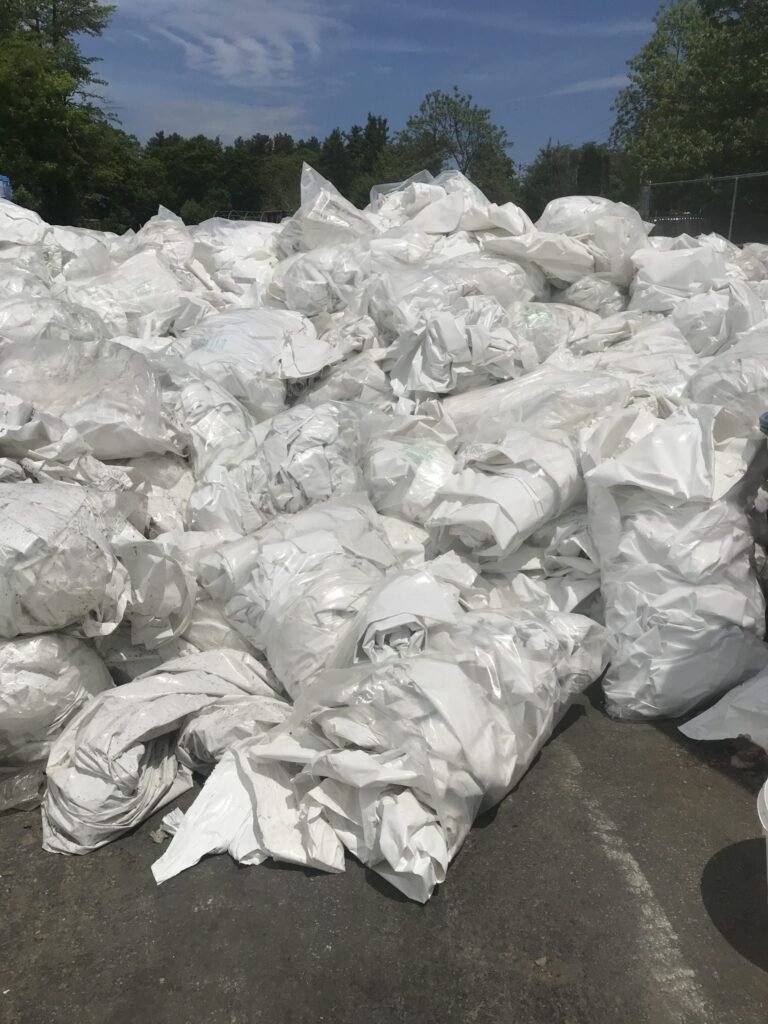
The magnitude of this challenge is underscored by the vast amounts of shrinkwrap deployed annually in marine, transportation, agriculture, and construction industries. In the United States alone, the volume of such waste exceeds 900 million pounds annually, contributing to a staggering, disastrous global ecological footprint.
Recycling is often portrayed as the go-to solution to plastic waste. In reality, for shrinkwrap and many flexible plastics, recycling is largely a MYTH.
Most municipal programs don’t accept shrinkwrap. It’s bulky and often contaminated. Even when collected for recycling, the majority of it still ends up in a landfill.
The global recycling landscape underwent a seismic shift with the China shock in 2018. The introduction of the “National Sword” policy effectively prohibited the import of most post-consumer plastics because of excessive contamination. This move disrupted decades of waste management, as China had previously managed nearly 50% of the planet’s recyclable plastic waste, forcing exporting countries to find immediate alternatives.
The sudden absence of a market for low-grade materials, such as shrinkwrap, triggered a series of detrimental effects:
Even with ongoing efforts to enhance local recycling capabilities, the fundamental challenge persists:
Demand for used plastic film remains EXTREMELY LIMITED.
Let’s clear the air.
Conventional Plastics: Composed of exceptionally durable, biologically inactive long-chain polymers, these materials persist for centuries. Rather than truly decomposing, traditional plastic simply fractures into increasingly minute particles known as microplastics.
Oxo-degradable plastic: This material contains chemical additives that force it to fragment when exposed to heat or UV light, yet it is not truly biodegradable. Instead, it converts into microplastics, creating a more persistent and damaging form of pollution that is nearly impossible to recover.
Compostable Plastics: Although the name is promising, these plastics require highly specific industrial environments to break down, including precise moisture levels, heat, and oxygen. Because such specialized facilities are uncommon, most compostables are discarded in landfills, where they persist exactly like traditional plastic.
| Recyclable | Leaves microplastics behind | No toxic residues | Shelf life | Temperature Tolerance | Food Contact Safety | Decomposition Terms | Impact | |
| bioaqualife® | ✅ | No | ✅ | Indefinite | ✅ | ✅ | 3-5 years | biodegradable |
| Traditional plastic | ✅ | Yes | ✅ | Indefinite | ✅ | ✅ | 500-1,000 years | Very slowly degrades into microplastics |
| PLA Degradable plastics | ✖ | Yes | ✅ | Limited | ✖ | ✅ | 500+ years | Application Dependent Degradable |
| OXO Degradable Plastics | Not Sure | Yes | ✖ | Limited | ✖ | Application Dependant | 500+ years | Breaks down into microplastics |
Request a sample, connect with a distributor, or explore the complete bioaqualife® shrink wrap system today.

Founded in 2023, bioaqualife® is a pioneering company dedicated to providing innovative sustainable, biodegradable plastic alternatives for use in the marine, construction, agriculture, and packaging industries.