Find out the benefits of using biodegradable shrinkwrap.

Biodegradable shrink wrap is an environmentally friendly packaging material designed to decompose naturally, reducing waste in landfills and preventing micro and nano plastic particles from entering the ocean. Unlike conventional plastic shrinkwrap, which can persist for centuries, biodegradable alternatives are made from materials that can be broken down by microorganisms such as bacteria and fungi. Typically, biodegradable shrinkwrap is produced using materials like PLA (polylactic acid) or biofilm, a bioplastics derived from renewable resources such as cornstarch or sugarcane.

These materials decompose into natural compounds like water, carbon dioxide, and biomass without leaving harmful residues. Many biodegradable shrinkwraps are also compostable, allowing them to be added to compost piles and used to enrich soil. The popularity of biodegradable shrinkwrap is increasing as companies and consumers become more environmentally conscious.

Businesses can demonstrate their commitment to sustainability by using these materials, while consumers are actively seeking eco-friendly packaging options. This growing demand is driving innovation and investment in sustainable packaging solutions. Biodegradable shrinkwrap offers a promising alternative to traditional plastic packaging, providing a more sustainable option for businesses and consumers.

Its use can help reduce the environmental impact of packaging waste and contribute to a more circular economy.

Key Takeaways

  • Biodegradable shrinkwrap is a type of packaging material that breaks down naturally over time, reducing environmental impact.
  • Environmental benefits of biodegradable shrinkwrap include reducing plastic pollution, minimizing landfill waste, and lowering carbon emissions.
  • Economic benefits of biodegradable shrinkwrap include potential cost savings from reduced waste disposal fees and improved brand reputation.
  • In the food industry, biodegradable shrinkwrap can help extend the shelf life of products and maintain food freshness without harming the environment.
  • In the retail industry, biodegradable shrinkwrap can enhance product presentation and appeal to environmentally conscious consumers.


Environmental Benefits of Biodegradable Shrinkwrap

Biodegradable shrinkwrap offers a range of environmental benefits compared to traditional plastic packaging materials. One of the key advantages is its ability to break down naturally in the environment, reducing the amount of plastic waste that ends up in landfills and oceans. Traditional plastic shrinkwrap can take hundreds of years to decompose, leading to long-term environmental pollution and harm to wildlife.

In contrast, biodegradable shrinkwrap is designed to break down into natural compounds, leaving behind no harmful residues. In addition to its biodegradability, biodegradable shrinkwrap is often made from renewable resources such as cornstarch or sugarcane, reducing the reliance on finite fossil fuels. This helps to lower the carbon footprint of packaging materials and contributes to a more sustainable and circular economy.

Furthermore, some biodegradable shrinkwrap materials are compostable, meaning they can be added to a compost pile and used to enrich the soil. This provides an additional benefit by reducing the amount of organic waste that ends up in landfills and contributing to the production of nutrient-rich compost for agriculture. Overall, biodegradable shrinkwrap offers significant environmental benefits compared to traditional plastic packaging materials.

By choosing biodegradable shrinkwrap, businesses and consumers can help reduce the environmental impact of packaging waste, lower their carbon footprint, and contribute to a more sustainable and circular economy.

Economic Benefits of Biodegradable Shrinkwrap

Free stock photo of account, accounting, analysis

In addition to its environmental benefits, biodegradable shrinkwrap also offers a range of economic advantages for businesses. One of the key benefits is its potential to reduce waste management costs. Traditional plastic packaging materials can contribute to significant waste disposal expenses for businesses, particularly as regulations around plastic waste become stricter.

By using biodegradable shrinkwrap, businesses can reduce the amount of non-biodegradable waste they produce, potentially lowering their waste management costs and improving their overall operational efficiency. Furthermore, biodegradable shrinkwrap can also help businesses enhance their brand image and appeal to environmentally conscious consumers. As sustainability becomes an increasingly important factor for consumers when making purchasing decisions, businesses that demonstrate their commitment to eco-friendly practices can gain a competitive edge in the market.

By using biodegradable shrinkwrap, companies can position themselves as environmentally responsible and attract consumers who prioritize sustainability in their purchasing choices. Additionally, the growing demand for sustainable packaging solutions presents new business opportunities for companies that specialize in biodegradable shrinkwrap production. As more businesses and consumers seek out eco-friendly packaging options, there is a growing market for biodegradable shrinkwrap materials.

This creates opportunities for innovation and investment in sustainable packaging technologies, driving economic growth and job creation in the green economy. Overall, biodegradable shrinkwrap offers a range of economic benefits for businesses, including potential cost savings on waste management, enhanced brand appeal, and new market opportunities in the growing sustainable packaging sector.

Biodegradable Shrinkwrap in the Food Industry

Biodegradable shrinkwrap has significant potential for use in the food industry, where packaging plays a crucial role in preserving freshness and preventing food waste. Traditional plastic packaging materials are widely used in the food industry but can contribute to environmental pollution and harm to wildlife when not properly disposed of. Biodegradable shrinkwrap offers a more sustainable alternative for food packaging, helping to reduce the environmental impact of packaging waste.

One of the key advantages of biodegradable shrinkwrap in the food industry is its ability to break down naturally in the environment. This reduces the amount of plastic waste that ends up in landfills and oceans, helping to protect ecosystems and wildlife. Additionally, some biodegradable shrinkwrap materials are compostable, meaning they can be added to a compost pile and used to enrich the soil.

This provides an additional benefit by reducing organic waste and contributing to the production of nutrient-rich compost for agriculture. Furthermore, biodegradable shrinkwrap can help food businesses enhance their brand image and appeal to environmentally conscious consumers. By using sustainable packaging materials, food companies can demonstrate their commitment to eco-friendly practices and attract consumers who prioritize sustainability in their purchasing decisions.

This can help businesses differentiate themselves in the market and gain a competitive edge by meeting the growing demand for environmentally responsible products. Overall, biodegradable shrinkwrap offers significant potential for use in the food industry, providing a more sustainable alternative to traditional plastic packaging materials and helping food businesses reduce their environmental impact while appealing to eco-conscious consumers.

Biodegradable Shrinkwrap in the Retail Industry

The retail industry is another sector where biodegradable shrinkwrap has significant potential for use in packaging goods and products. Retailers rely on packaging materials to protect goods during transportation and storage, but traditional plastic packaging can contribute to environmental pollution and harm to wildlife when not properly disposed of. Biodegradable shrinkwrap offers a more sustainable option for retailers, helping to reduce the environmental impact of packaging waste.

One of the key advantages of biodegradable shrinkwrap in the retail industry is its ability to break down naturally in the environment. This reduces the amount of plastic waste that ends up in landfills and oceans, helping to protect ecosystems and wildlife. Additionally, some biodegradable shrinkwrap materials are compostable, meaning they can be added to a compost pile and used to enrich the soil.

This provides an additional benefit by reducing organic waste and contributing to the production of nutrient-rich compost for agriculture. Furthermore, using biodegradable shrinkwrap can help retailers enhance their brand image and appeal to environmentally conscious consumers. By demonstrating their commitment to sustainable practices through eco-friendly packaging materials, retailers can attract consumers who prioritize sustainability in their purchasing decisions.

This can help retailers differentiate themselves in the market and gain a competitive edge by meeting the growing demand for environmentally responsible products. Overall, biodegradable shrinkwrap offers significant potential for use in the retail industry, providing a more sustainable alternative to traditional plastic packaging materials and helping retailers reduce their environmental impact while appealing to eco-conscious consumers.

Biodegradable Shrinkwrap in the Shipping Industry
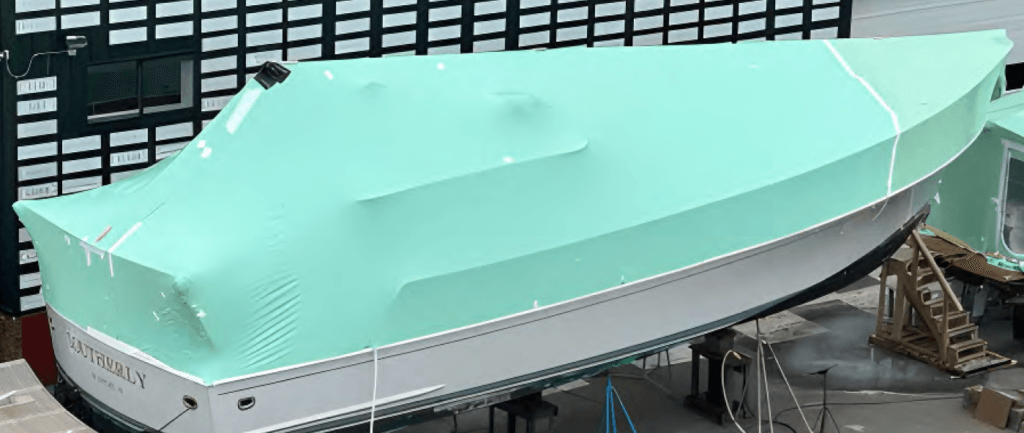
bioaqualife: A large boat is covered with a green protective tarp. It's positioned in a shipyard or storage area, elevated on stands. Nearby, another covered boat and industrial building are partially visible.

The shipping industry is another sector where biodegradable shrinkwrap has significant potential for use in packaging goods for transportation. Shipping companies rely on packaging materials to protect goods during transit but traditional plastic packaging can contribute to environmental pollution when not properly disposed of. Biodegradable shrinkwrap offers a more sustainable option for shipping companies, helping to reduce the environmental impact of packaging waste.

One of the key advantages of biodegradable shrinkwrap in the shipping industry is its ability to break down naturally in the environment. This reduces the amount of plastic waste that ends up in landfills and oceans, helping to protect ecosystems and wildlife. Additionally, some biodegradable shrinkwrap materials are compostable, meaning they can be added to a compost pile and used to enrich the soil.

This provides an additional benefit by reducing organic waste and contributing to the production of nutrient-rich compost for agriculture. Furthermore, using biodegradable shrinkwrap can help shipping companies enhance their brand image and appeal to environmentally conscious customers. By demonstrating their commitment to sustainable practices through eco-friendly packaging materials, shipping companies can attract customers who prioritize sustainability in their purchasing decisions.

This can help shipping companies differentiate themselves in the market and gain a competitive edge by meeting the growing demand for environmentally responsible shipping options. Overall, biodegradable shrinkwrap offers significant potential for use in the shipping industry, providing a more sustainable alternative to traditional plastic packaging materials and helping shipping companies reduce their environmental impact while appealing to eco-conscious customers.

How to Switch to Biodegradable Shrinkwrap

Switching to biodegradable shrinkwrap involves several key steps for businesses looking to adopt more sustainable packaging practices. The first step is to research and identify suppliers that offer biodegradable shrinkwrap materials suitable for specific packaging needs. It's important for businesses to consider factors such as material strength, durability, and compatibility with existing packaging machinery when selecting biodegradable shrinkwrap options.

Once suitable suppliers have been identified, businesses should conduct trials with different biodegradable shrinkwrap materials to assess their performance and compatibility with existing packaging processes. This may involve working closely with suppliers to test different materials and gather feedback from production teams on ease of use and effectiveness. After selecting a suitable biodegradable shrinkwrap material, businesses should develop a plan for transitioning from traditional plastic shrinkwrap to biodegradable alternatives.

This may involve training staff on new packaging processes and ensuring that any necessary adjustments are made to packaging machinery or equipment. Finally, businesses should communicate their switch to biodegradable shrinkwrap with customers and stakeholders as part of their commitment to sustainability. This may involve updating marketing materials and product labeling to highlight the use of eco-friendly packaging materials and educate consumers on the benefits of biodegradable shrinkwrap.

Overall, switching to biodegradable shrinkwrap requires careful research, testing, planning, and communication but offers significant potential for businesses looking to adopt more sustainable packaging practices.

If you want to find out the benefits of using biodegradable shrinkwrap, you should check out Bioaqualife's article on the benefits and environmental impact of boat bio shrink wrap and bio tape. This article discusses the advantages of using biodegradable shrink wrap, such as reducing environmental impact. You can read more about it here.


Posted in blog, NEWS & ARTICLES | Comments Off on Find out the benefits of using biodegradable shrinkwrap.

Buy eco-friendly bioTape® for sustainable packaging solutions.

Sustainable packaging solutions have become increasingly important as the negative environmental impact of traditional packaging materials becomes more evident. Non-biodegradable materials like plastic and Styrofoam contribute to pollution, habitat destruction, and harm to wildlife. Consequently, there is growing demand for eco-friendly packaging options that minimize environmental impact.

Sustainable packaging helps reduce waste, conserve natural resources, and appeals to environmentally conscious consumers seeking products aligned with their values. By adopting sustainable packaging, businesses can demonstrate corporate social responsibility and contribute to a healthier planet. Sustainable packaging solutions also offer economic advantages for businesses.

Reducing the use of non-renewable resources and minimizing waste can lower production costs and improve profitability. As consumer awareness of environmental issues grows, businesses prioritizing sustainable packaging can gain a competitive edge in the market. The importance of sustainable packaging solutions is significant, as they play a crucial role in environmental protection, meeting consumer demand, and driving positive industry change.

Key Takeaways

  • Sustainable packaging solutions are important for reducing environmental impact and meeting consumer demand for eco-friendly products.
  • bioTape® is an eco-friendly packaging material made from biodegradable and renewable resources, such as plant-based materials.
  • Using bioTape® for packaging offers advantages such as being compostable, recyclable, and reducing carbon footprint compared to traditional packaging materials.
  • When choosing the right bioTape® for your packaging needs, consider factors such as strength, adhesion, and compatibility with your packaging materials.
  • bioTape® has a lower environmental impact compared to traditional packaging materials, as it is biodegradable and reduces reliance on non-renewable resources.


What is bioTape® and How is it Eco-Friendly?

bioTape® is a type of eco-friendly packaging tape that is made from renewable resources such as plant-based materials. Unlike traditional packaging tapes that are derived from non-renewable sources such as plastic or fiberglass, bioTape® is biodegradable and compostable, making it a sustainable alternative for businesses looking to reduce their environmental impact. bioTape® is typically made from materials such as cellulose, starch, or other plant-based polymers, which are renewable and can be replenished through natural processes.

This makes bioTape® an attractive option for companies seeking to minimize their carbon footprint and adopt more sustainable packaging practices. In addition to being made from renewable resources, bioTape® is also free from harmful chemicals and toxins, making it safe for both the environment and human health. Traditional packaging tapes often contain synthetic adhesives and coatings that can leach harmful substances into the environment, posing a threat to ecosystems and wildlife.

bioTape®, on the other hand, is manufactured using natural ingredients and does not release any toxic compounds when decomposing. This makes it an eco-friendly choice for businesses that are committed to reducing their environmental impact and promoting a healthier planet for future generations.

Advantages of Using bioTape® for Packaging

bioaqualife: A woman in a light green sweater is sitting at a desk, holding a smartphone in one hand and a pen in the other. She appears focused, with cardboard boxes stacked in the background, suggesting a workplace or home office.

There are several advantages to using bioTape® for packaging, ranging from environmental benefits to practical advantages for businesses. One of the key advantages of bioTape® is its biodegradability, which means that it can break down naturally over time without leaving behind harmful residues. This makes bioTape® an ideal choice for businesses looking to minimize their environmental impact and reduce their carbon footprint.

In addition to being biodegradable, bioTape® is also compostable, meaning that it can be disposed of in a composting facility where it will decompose into organic matter without releasing any harmful substances. Another advantage of using bioTape® for packaging is its versatility and strength. Despite being made from renewable resources, bioTape® is just as strong and durable as traditional packaging tapes, making it suitable for a wide range of applications.

Whether used for sealing boxes, securing packages, or bundling products together, bioTape® offers reliable performance without compromising on sustainability. Furthermore, bioTape® is available in various widths and thicknesses to accommodate different packaging needs, providing businesses with a flexible and eco-friendly solution for their packaging requirements.

How to Choose the Right bioTape® for Your Packaging Needs

When choosing the right bioTape® for your packaging needs, there are several factors to consider to ensure that you select the most suitable option for your business. One important consideration is the adhesive strength of the bioTape®, as this will determine its ability to securely seal packages and withstand handling during transit. It's essential to choose a bioTape® with strong adhesive properties that can effectively bond to different surfaces and materials without peeling or coming loose.

Another factor to consider when selecting bioTape® is its environmental certifications and compliance with industry standards. Look for bioTape® products that have been certified as compostable and biodegradable by reputable organizations such as the Biodegradable Products Institute (BPI) or the European Bioplastics Association (EUBP). These certifications ensure that the bioTape® meets specific criteria for environmental sustainability and can be safely disposed of without causing harm to the environment.

Additionally, consider the overall sustainability of the bioTape® production process, including the use of renewable resources, energy efficiency, and waste management practices. Choosing a bioTape® supplier that prioritizes sustainable manufacturing processes will further enhance the eco-friendly credentials of your packaging solutions.

The environmental impact of bioTape® compared to traditional packaging materials is significant in terms of reducing carbon emissions, minimizing waste, and conserving natural resources. Traditional packaging materials such as plastic tapes and adhesives are derived from non-renewable sources such as petroleum, which contributes to greenhouse gas emissions and depletes finite resources. In contrast, bioTape® is made from renewable resources such as plant-based polymers, which can be replenished through natural processes such as photosynthesis.

Furthermore, the production of bioTape® generates fewer carbon emissions compared to traditional packaging materials, as it relies on renewable resources and often involves more energy-efficient manufacturing processes. This helps reduce the overall carbon footprint of packaging operations and contributes to mitigating climate change. In terms of waste management, bioTape® offers a more sustainable solution compared to traditional packaging materials.

bioTape® is biodegradable and compostable, meaning that it can be safely disposed of without contributing to landfill waste or polluting the environment. In contrast, traditional packaging materials such as plastic tapes can persist in the environment for hundreds of years without breaking down, leading to long-term pollution and harm to ecosystems.

Case Studies: Companies Successfully Using bioTape® for Sustainable Packaging

Several companies have successfully adopted bioTape® for their packaging needs, demonstrating its effectiveness in reducing environmental impact and meeting sustainability goals. One such company is a leading e-commerce retailer that switched from using traditional plastic tape to bioTape® for sealing their packages. By making this change, the company was able to significantly reduce its carbon footprint and demonstrate its commitment to sustainable business practices.

The switch to bioTape® also resonated with environmentally conscious consumers, leading to positive feedback and increased brand loyalty. Another example is a food and beverage company that transitioned from using plastic-based packaging materials to bioTape® for their product packaging. This decision not only aligned with the company's commitment to environmental stewardship but also helped differentiate their products in the market as eco-friendly options.

By leveraging bioTape® for their packaging needs, the company was able to appeal to a growing segment of consumers who prioritize sustainability and make a positive impact on the environment.

Where to Buy Eco-Friendly bioTape® for Your Packaging Solutions

If you're looking to incorporate eco-friendly bioTape® into your packaging solutions, there are several reputable suppliers and manufacturers that offer a range of sustainable options to meet your business needs. Many eco-friendly packaging companies specialize in providing bioTape® products that are certified as compostable and biodegradable, ensuring that they meet stringent environmental standards. When sourcing bioTape® for your packaging needs, consider partnering with suppliers who prioritize sustainable manufacturing practices and use renewable resources in their production processes.

Look for suppliers who offer customizable options for bioTape® widths, lengths, and adhesive strengths to accommodate your specific packaging requirements. Additionally, consider working with suppliers who provide transparent information about the environmental credentials of their bioTape® products, including certifications from recognized organizations such as the Biodegradable Products Institute (BPI) or the European Bioplastics Association (EUBP). By choosing a reputable supplier with a strong commitment to sustainability, you can ensure that your business benefits from high-quality eco-friendly bioTape® that aligns with your environmental goals.

In conclusion, sustainable packaging solutions such as bioTape® play a crucial role in reducing environmental impact, conserving natural resources, and meeting consumer demand for eco-friendly products. By choosing bioTape® for your packaging needs, you can benefit from its biodegradability, strength, and versatility while contributing to a healthier planet for future generations. With the growing emphasis on sustainability in today's business landscape, incorporating eco-friendly bioTape® into your packaging solutions can help your company demonstrate its commitment to corporate social responsibility and gain a competitive edge in the market.

If you're interested in sustainable packaging solutions, you may also want to check out Bioaqualife's article on the benefits and environmental impact of boat shrink wrap. This article discusses the advantages of using biodegradable shrink wrap and bio tape for boating applications, highlighting the positive impact it can have on the environment. You can read more about it here.
Posted in blog, NEWS & ARTICLES | Comments Off on Buy eco-friendly bioTape® for sustainable packaging solutions.

Explore the advancements in shrink film technology.

Shrink film technology has evolved significantly since its introduction. Initially, shrink film was primarily manufactured using polyvinyl chloride (PVC) due to its cost-effectiveness and high shrinkage properties. However, PVC shrink film posed environmental concerns and potential health risks when heated, prompting the industry to seek safer and more sustainable alternatives.

This shift led to the development of polyolefin shrink film, which gained widespread adoption due to its versatility and reduced environmental impact. Polyolefin shrink film is derived from oil and natural gas polymers, offering a more sustainable option compared to PVC. It exhibits superior clarity, high strength, and is safe for food contact applications.

Recent technological advancements have resulted in the creation of cross-linked polyolefin shrink film, which provides enhanced strength and puncture resistance. These innovations have significantly improved packaging efficiency and sustainability within the industry.

Recent innovations in shrink film technology include films made from compostable, like polylactic acid (PLA),  and biodegradable materials, like revolutionary product of Bioaqualife's Bio Wrap, helping to reduce environmental impact.

Key Takeaways

  • Shrink film technology has evolved to become more advanced and efficient over time, offering better performance and cost-effectiveness.
  • Advanced shrink film technology provides benefits such as improved product protection, enhanced shelf appeal, and increased production efficiency.
  • Innovations in shrink film materials have led to the development of eco-friendly options, including biodegradable and recyclable materials.
  • Sustainability is a key focus in shrink film technology, with advancements in materials and processes aimed at reducing environmental impact.
  • Advanced shrink film technology is widely used in various industries, including food and beverage, pharmaceuticals, and consumer goods, for packaging and protection purposes.


Benefits of Advanced Shrink Film Technology

The advancements in shrink film technology have brought about numerous benefits for businesses and consumers alike. One of the key benefits is the improved sustainability of shrink film materials. With the shift towards polyolefin and cross-linked polyolefin shrink films, businesses can now choose packaging materials that are more environmentally friendly without compromising on performance.

This has become increasingly important as consumers are becoming more conscious of the environmental impact of packaging materials. Another benefit of advanced shrink film technology is the improved strength and durability of the materials. Cross-linked polyolefin shrink film, in particular, offers exceptional puncture resistance and tear strength, making it ideal for packaging products with sharp edges or irregular shapes.

This not only ensures that products are well-protected during transit and storage but also reduces the likelihood of product damage and returns, ultimately saving businesses time and money. Furthermore, advanced shrink film technology has also led to improvements in packaging efficiency. The high clarity and shrinkage properties of polyolefin shrink film allow for a tight, secure wrap around products, enhancing their appearance and shelf appeal.

This not only helps products stand out on the shelves but also reduces the amount of material needed for packaging, leading to cost savings for businesses.

Innovations in Shrink Film Materials

bioaqualife: A close-up of a curved, overlapping blue paper creating an abstract, wave-like pattern. The lighting highlights the paper's smooth texture, with varying shades of blue and soft shadows enhancing the depth and fluidity of the composition.

In recent years, there have been significant innovations in shrink film materials that have further improved their performance and sustainability. One such innovation is the development of bio-based shrink films, which are made from renewable resources such as corn or sugarcane. These bio-based shrink films offer similar properties to traditional polyolefin shrink films but with the added benefit of being derived from sustainable sources.

This makes them an attractive option for businesses looking to reduce their environmental footprint. Another innovation in shrink film materials is the incorporation of additives to enhance specific properties. For example, anti-fog additives can be included in shrink films to prevent condensation from forming on the surface, ensuring that products remain visible and appealing to consumers.

UV inhibitors can also be added to shrink films to protect products from sun damage during outdoor storage or transportation. These innovations allow businesses to customize shrink film materials to meet their specific packaging needs while ensuring product protection and presentation. Additionally, advancements in nanotechnology have led to the development of nano-composite shrink films, which offer superior barrier properties and mechanical strength.

These films are designed to provide enhanced protection against moisture, oxygen, and other external factors that can affect product quality. Nano-composite shrink films are particularly well-suited for packaging perishable goods such as fresh produce, meat, and dairy products, where maintaining product freshness is crucial.

Infused with a blend of organic materials, like Bioaqualife's unique Bio Wrap, these plastics are specifically designed to biodegrade under landfill conditions.

Sustainability and Shrink Film Technology

Sustainability has become a key focus in the packaging industry, and shrink film technology has not been left behind in this regard. The shift towards more sustainable materials such as polyolefin and bio-based shrink films has significantly reduced the environmental impact of packaging. These materials are recyclable and can be processed through standard recycling streams, making them a more eco-friendly option compared to traditional PVC shrink films.

Furthermore, advancements in shrink film technology have also led to improvements in energy efficiency during the manufacturing process. Newer shrink film materials require lower processing temperatures and shorter dwell times during the shrinking process, resulting in reduced energy consumption and lower carbon emissions. This not only benefits the environment but also helps businesses reduce their operational costs.

In addition to material sustainability, advancements in shrink film technology have also led to improvements in packaging design and efficiency. The ability to create tight, secure wraps around products using advanced shrink films allows for reduced material usage, leading to less waste generation. This is particularly important in industries with high-volume packaging operations, where even small reductions in material usage can result in significant environmental benefits.

Applications of Advanced Shrink Film Technology

The versatility and performance of advanced shrink film technology have made it suitable for a wide range of applications across various industries. In the food and beverage industry, polyolefin and bio-based shrink films are commonly used for packaging fresh produce, meat, poultry, seafood, and dairy products. The high clarity and excellent shrinkage properties of these films help showcase the quality and freshness of the products while providing protection against contamination and spoilage.

In the retail sector, advanced shrink film technology is widely used for packaging consumer goods such as electronics, toys, cosmetics, and household products. The ability to create custom-fit wraps around products not only enhances their visual appeal but also provides tamper-evident packaging for added security. Additionally, the use of bio-based shrink films in retail packaging aligns with consumer preferences for sustainable and eco-friendly products.

Another important application of advanced shrink film technology is in the pharmaceutical and healthcare industries. Shrink films are used to package medical devices, pharmaceutical products, and personal care items, providing protection against moisture, tampering, and contamination. The high barrier properties of nano-composite shrink films make them particularly well-suited for these applications, ensuring that products remain safe and effective throughout their shelf life.

Last but not least, shrink films are widely used in the marine, construction, and agriculture industries.

Future Trends in Shrink Film Technology

Young Man and Woman in Futuristic Clothing Standing in a Studio with Blue Lighting and Holding Their Arms Up

Looking ahead, there are several key trends that are expected to shape the future of shrink film technology. One such trend is the continued development of bio-based and compostable shrink films as businesses seek more sustainable packaging solutions. These materials offer similar performance to traditional shrink films but with the added benefit of being biodegradable, reducing their impact on the environment.

Another future trend is the integration of smart packaging technologies into shrink films. This includes features such as QR codes, RFID tags, or temperature-sensitive indicators that provide real-time information about product freshness, authenticity, and handling conditions. These smart packaging solutions not only enhance product traceability and consumer engagement but also contribute to improved supply chain management and product safety.

Furthermore, advancements in material science are expected to lead to the development of even stronger and thinner shrink films with enhanced barrier properties. This will allow for further reductions in material usage while maintaining or improving product protection and presentation. Additionally, the use of advanced printing technologies will enable businesses to create more visually appealing packaging designs on shrink films, further enhancing brand recognition and consumer appeal.

Considerations for Choosing the Right Shrink Film Technology

When choosing the right shrink film technology for a specific application, there are several key considerations that businesses should take into account. Firstly, it is important to consider the properties of the products being packaged, such as their size, shape, weight, and sensitivity to external factors. This will help determine the type of shrink film material needed to provide adequate protection and presentation for the products.

Another consideration is the environmental impact of the shrink film material. Businesses should prioritize materials that are recyclable or biodegradable to minimize their carbon footprint and align with sustainability goals. Additionally, factors such as energy efficiency during manufacturing and transportation should also be taken into account when evaluating the environmental impact of shrink film technology.

Furthermore, businesses should consider the overall cost-effectiveness of different shrink film options. While advanced materials may have a higher upfront cost, they can lead to long-term savings through reduced material usage, improved product protection, and lower operational costs. It is important to conduct a thorough cost-benefit analysis to determine the most suitable shrink film technology for specific packaging needs.

In conclusion, advanced shrink film technology has brought about significant improvements in sustainability, performance, and efficiency within the packaging industry. With ongoing innovations and future trends shaping the landscape of shrink film technology, businesses have an opportunity to choose materials that not only meet their packaging needs but also align with their environmental and cost considerations. By carefully evaluating these factors and staying informed about emerging technologies, businesses can make informed decisions when selecting the right shrink film technology for their products.

Explore the advancements in shrink film technology with Bioaqualife's biodegradable shrink wrap film, bioWrap®. This breakthrough product has achieved a Class A rating in a key flame spread test, ASTM E84, making it a game-changer in the industry. The benefits and environmental impact of boat shrink wrap are also discussed in a related article, highlighting the importance of using biodegradable options like Bioaqualife's shrink wrap. Learn more about these innovative products and their impact on the environment at Bioaqualife.

Posted in blog, NEWS & ARTICLES | Comments Off on Explore the advancements in shrink film technology.

Learn methods to reduce packaging waste effectively.

Packaging waste significantly impacts the environment, contributing to pollution, resource depletion, and landfill overflow. The production of packaging materials often involves extracting natural resources, such as trees for paper and oil for plastic, leading to deforestation and habitat destruction. The manufacturing process also emits greenhouse gases and other pollutants, exacerbating climate change.

Improper disposal of packaging materials often results in pollution of waterways and oceans, threatening wildlife and human health. The disposal of packaging waste requires substantial energy and resources, increasing its overall environmental footprint. As packaging waste accumulates, it becomes a growing concern for communities and governments worldwide.

Understanding the impact of packaging waste is crucial for addressing this issue and implementing sustainable solutions. Recognizing the environmental, social, and economic consequences of packaging waste enables businesses and consumers to work together to minimize their impact and promote sustainability. Packaging waste also directly affects the economy, as waste management and disposal costs continue to rise.

Inefficient packaging designs and materials can increase transportation costs and storage space requirements, impacting overall supply chain and operational efficiency. Additionally, negative public perception of excessive packaging waste can damage a company's reputation and brand image, potentially leading to customer loss and reduced market share. Understanding the economic implications of packaging waste allows businesses to make informed decisions to reduce their environmental footprint while improving their bottom line.

Recognizing the full scope of packaging waste's impact is essential for companies to implement effective strategies for waste reduction and sustainable packaging solutions.

Key Takeaways

  • Packaging waste has a significant impact on the environment, contributing to pollution and landfill overflow.
  • Sustainable packaging materials, such as biodegradable or recyclable options, can help reduce the environmental impact of packaging waste.
  • Reducing packaging size and using minimalistic designs not only minimizes waste but also reduces transportation emissions and costs.
  • Implementing reusable and refillable packaging options can significantly reduce the amount of packaging waste generated.
  • Encouraging responsible consumer behavior, such as proper recycling and disposal of packaging, is crucial in reducing packaging waste.


Choosing sustainable packaging materials

Choosing sustainable packaging materials is essential in reducing the environmental impact of packaging waste. Sustainable materials are those that are responsibly sourced, renewable, recyclable, or biodegradable. For example, using recycled paper or cardboard for packaging can help reduce the demand for virgin materials and minimize deforestation.

Additionally, biodegradable plastics made from plant-based sources offer a more environmentally friendly alternative to traditional petroleum-based plastics. These materials break down more easily in the environment, reducing the long-term impact of plastic pollution. Furthermore, renewable materials such as bamboo, sugarcane, or hemp can be used to create packaging that is both durable and eco-friendly.

These materials are often fast-growing and require fewer resources to cultivate, making them a more sustainable choice for packaging. By choosing sustainable packaging materials, businesses can minimize their environmental footprint and contribute to a more circular economy. This not only benefits the environment but also aligns with consumer preferences for eco-friendly products and packaging.

In addition to the materials themselves, it is important to consider the entire lifecycle of the packaging, including its production, use, and disposal. Sustainable packaging materials should be chosen based on their overall environmental impact, taking into account factors such as energy consumption, emissions, and end-of-life options. By carefully selecting sustainable packaging materials, businesses can make a positive contribution to environmental conservation while meeting the needs of their customers.

Reducing packaging size and using minimalistic designs

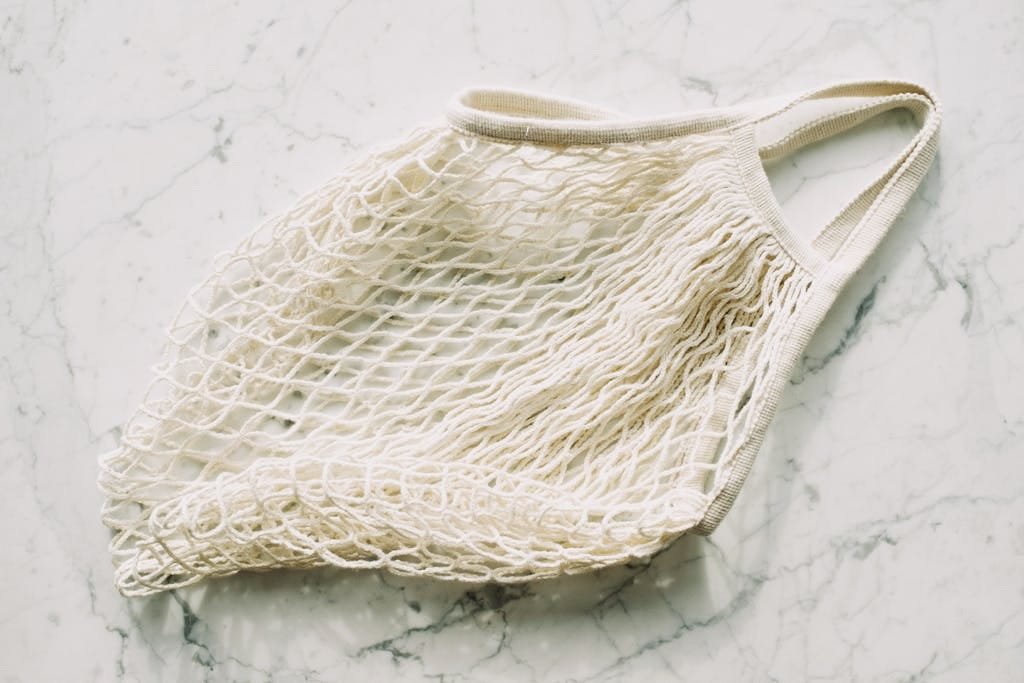
Top view of simple eco friendly white mesh bag arranged on marble surface in room

Reducing packaging size and using minimalistic designs are effective strategies for minimizing packaging waste and environmental impact. Overly large or bulky packaging not only contributes to unnecessary waste but also requires more resources for production and transportation. By optimizing the size and design of packaging, businesses can reduce material usage and lower their carbon footprint.

This can be achieved through innovative design techniques that prioritize functionality and efficiency while maintaining product protection and presentation. Minimalistic designs focus on simplicity and practicality, eliminating excess materials and unnecessary features. This approach not only reduces waste but also creates a more streamlined and aesthetically pleasing packaging solution.

By incorporating minimalistic designs, businesses can convey a sense of elegance and sophistication while promoting sustainability and environmental responsibility. Furthermore, smaller and more compact packaging designs can lead to cost savings in terms of materials, storage, and transportation, contributing to overall operational efficiency. In addition to reducing packaging size, businesses can explore alternative packaging formats such as pouches, sachets, or wraps that require less material and space.

These formats offer a more lightweight and flexible solution while still providing adequate protection for the product. By embracing innovative packaging formats and minimalistic designs, businesses can demonstrate their commitment to sustainability while meeting consumer demand for practical and eco-friendly packaging solutions.

Implementing reusable and refillable packaging options

Implementing reusable and refillable packaging options is a proactive approach to reducing packaging waste and promoting sustainability. Reusable packaging allows consumers to use the same container multiple times, reducing the need for single-use packaging that often ends up in landfills or oceans. By investing in durable and high-quality reusable containers, businesses can offer a more environmentally friendly alternative to traditional disposable packaging.

This not only reduces waste but also provides added value to consumers who appreciate sustainable and long-lasting products. Refillable packaging options further enhance the sustainability of products by allowing consumers to replenish their containers with new product refills. This approach minimizes the need for additional packaging materials while encouraging a circular economy model that promotes resource conservation and waste reduction.

Refillable packaging options can be implemented across various product categories, including personal care products, household cleaners, and food items, offering a convenient and eco-friendly solution for consumers. Furthermore, businesses can incentivize consumers to participate in refill programs by offering discounts or rewards for returning empty containers or purchasing refills. This not only encourages responsible consumer behavior but also fosters brand loyalty and engagement.

By implementing reusable and refillable packaging options, businesses can make a positive impact on the environment while meeting consumer demand for sustainable products and packaging solutions.

Encouraging responsible consumer behavior

Encouraging responsible consumer behavior is essential in reducing packaging waste and promoting sustainable practices. Businesses can play a key role in educating consumers about the environmental impact of packaging waste and empowering them to make informed purchasing decisions. This can be achieved through transparent labeling, clear communication about sustainable packaging initiatives, and educational campaigns that raise awareness about the importance of responsible consumption.

In addition to education, businesses can implement strategies such as product take-back programs, where consumers can return used packaging for recycling or reuse. This not only promotes responsible disposal practices but also demonstrates a commitment to environmental stewardship. Furthermore, businesses can engage with consumers through social media, marketing campaigns, and community events to promote sustainable behaviors and highlight the benefits of eco-friendly products and packaging.

Moreover, businesses can collaborate with non-profit organizations, government agencies, and industry partners to advocate for policies that support sustainable packaging practices and consumer education. By working together with stakeholders across various sectors, businesses can amplify their efforts in promoting responsible consumer behavior and driving positive change towards a more sustainable future.

Partnering with eco-friendly suppliers and manufacturers

Aerial View of Coastal Wind Turbine Farm

Partnering with eco-friendly suppliers and manufacturers is crucial in promoting sustainable packaging practices throughout the supply chain. By collaborating with suppliers who prioritize environmental responsibility and ethical sourcing practices, businesses can ensure that their raw materials are sourced in a sustainable manner. This includes using renewable resources, minimizing waste generation, and reducing energy consumption throughout the production process.

Furthermore, working with manufacturers that have implemented eco-friendly production methods and technologies can help businesses reduce their overall environmental footprint. This may include using energy-efficient equipment, implementing waste reduction strategies, and investing in renewable energy sources. By partnering with eco-friendly suppliers and manufacturers, businesses can align their supply chain with their sustainability goals while promoting best practices within their industry.

In addition to environmental considerations, partnering with eco-friendly suppliers and manufacturers can also lead to cost savings and operational efficiencies. Sustainable practices often lead to resource conservation, waste reduction, and improved productivity, resulting in long-term benefits for both businesses and the environment. By prioritizing partnerships with eco-friendly suppliers and manufacturers, businesses can demonstrate their commitment to sustainability while fostering a more resilient and responsible supply chain.

Educating and raising awareness about packaging waste reduction

Educating and raising awareness about packaging waste reduction is essential in driving meaningful change towards more sustainable practices. Businesses can take an active role in educating their employees, customers, and stakeholders about the environmental impact of packaging waste and the importance of waste reduction initiatives. This may include providing training programs, workshops, or educational materials that highlight the benefits of sustainable packaging solutions and promote responsible consumption habits.

Furthermore, businesses can engage in public outreach efforts through community events, partnerships with schools or non-profit organizations, or participation in environmental awareness campaigns. By raising awareness about packaging waste reduction on a broader scale, businesses can inspire positive behavior change and encourage individuals to make more informed choices about their purchasing habits. Moreover, businesses can leverage their marketing channels to communicate their commitment to sustainable packaging practices and engage consumers in conversations about environmental stewardship.

This may include incorporating messaging about sustainable packaging initiatives into advertising campaigns, social media content, or product labeling. By actively educating and raising awareness about packaging waste reduction, businesses can empower individuals to become advocates for sustainability while fostering a culture of environmental responsibility within their communities. In conclusion, understanding the impact of packaging waste is crucial in addressing this global issue effectively.

By recognizing the environmental consequences of excessive packaging waste as well as its economic implications on businesses' bottom line is essential in implementing effective strategies for waste reduction. Choosing sustainable materials for packaging is an important step towards minimizing environmental impact while meeting consumer preferences for eco-friendly products. Reducing packaging size through minimalistic designs not only lowers material usage but also contributes to operational efficiency for businesses.

Implementing reusable and refillable options encourages a circular economy model that promotes resource conservation while providing added value to consumers who appreciate sustainable products. Encouraging responsible consumer behavior through education campaigns empowers individuals to make informed purchasing decisions that align with their values for sustainability. Partnering with eco-friendly suppliers ensures that businesses' supply chain practices are aligned with their sustainability goals while promoting best practices within their industry.

Educating employees as well as raising awareness about packaging waste reduction on a broader scale inspires positive behavior change towards more sustainable practices within communities.

If you're interested in learning more about reducing packaging waste, you should check out Bioaqualife's breakthrough product, Bioaquaife Biodegradable Shrink Wrap Film, bioWrap®. This innovative product is bio biodegradable and has achieved a Class A rating in a key flame spread test, ASTM E84, making it an effective and sustainable solution for reducing packaging waste. You can read more about it in this article.

Posted in blog | Comments Off on Learn methods to reduce packaging waste effectively.

Explore biodegradable wraps used for industrial applications.

Biodegradable wraps are essential in industrial applications as they provide a sustainable alternative to conventional plastic wraps. With increasing environmental concerns, these wraps have gained significance across various industries. Designed to decompose naturally, biodegradable wraps help reduce waste accumulation in landfills and oceans.

Industries such as packaging, agriculture, and food processing can significantly benefit from incorporating these wraps into their operations, thereby reducing their environmental impact and contributing to ecological preservation. The importance of biodegradable wraps in industrial applications is further emphasized by the growing demand for sustainable packaging solutions. As consumer awareness of environmental issues increases, industries face pressure to adopt eco-friendly practices.

Biodegradable wraps offer a practical solution to this challenge, allowing industries to demonstrate their commitment to environmental stewardship and appeal to environmentally conscious consumers. Additionally, the use of biodegradable wraps can help industries comply with environmental sustainability regulations and standards, positioning them as responsible corporate entities.

Key Takeaways

  • Biodegradable wraps are important in industrial applications for reducing environmental impact and promoting sustainability.
  • Types of biodegradable wraps available for industrial use include compostable films, bioplastic wraps, and bio-based polymers.
  • Advantages of using biodegradable wraps in industrial applications include reduced carbon footprint, decreased reliance on non-renewable resources, and compliance with environmental regulations.
  • Challenges and limitations of biodegradable wraps in industrial settings include cost, performance variability, and limited availability of suitable materials.
  • Case studies of successful implementation of biodegradable wraps in industrial applications demonstrate their effectiveness in reducing waste and promoting eco-friendly practices.


Types of Biodegradable Wraps Available for Industrial Use

There are several types of biodegradable wraps available for industrial use, each offering unique properties and benefits. One common type of biodegradable wrap is made from plant-based materials such as cornstarch, sugarcane, or cellulose. These wraps are designed to break down naturally, making them an ideal choice for industries looking to reduce their environmental impact.

Another type of biodegradable wrap is made from bioplastics, which are derived from renewable sources such as vegetable oils and starches. These wraps offer similar performance to traditional plastic wraps but are designed to biodegrade over time, making them a sustainable choice for industrial applications. In addition to plant-based and bioplastic wraps, there are also biodegradable wraps made from compostable materials such as paper and cardboard.

These wraps are designed to decompose into organic matter when exposed to the right conditions, making them an eco-friendly option for industrial packaging. Furthermore, some biodegradable wraps are designed to be water-soluble, offering a convenient and environmentally friendly solution for certain industrial applications. These wraps dissolve in water, eliminating the need for disposal and reducing the risk of environmental pollution.

Overall, the availability of different types of biodegradable wraps provides industries with a range of options to choose from based on their specific needs and requirements.

Advantages of Using Biodegradable Wraps in Industrial Applications

Woman Wearing White Top While Doing Thumbs Up

The use of biodegradable wraps in industrial applications offers several advantages that make them an attractive choice for businesses looking to adopt sustainable practices. One of the key advantages of biodegradable wraps is their positive impact on the environment. Unlike traditional plastic wraps, biodegradable wraps break down naturally, reducing the amount of waste that ends up in landfills and oceans.

This helps to minimize the environmental impact of industrial operations and contributes to a healthier planet. Additionally, the use of biodegradable wraps can help businesses meet their sustainability goals and demonstrate their commitment to environmental stewardship. Another advantage of using biodegradable wraps in industrial applications is their versatility and performance.

These wraps are designed to offer similar functionality to traditional plastic wraps, providing effective protection and containment for various products and materials. Whether used for packaging, agriculture, or food processing, biodegradable wraps can meet the performance requirements of different industrial applications. Furthermore, the use of biodegradable wraps can enhance the reputation of businesses by appealing to environmentally conscious consumers.

By choosing sustainable packaging solutions, industries can position themselves as responsible corporate citizens and attract customers who prioritize environmental sustainability.

Challenges and Limitations of Biodegradable Wraps in Industrial Settings

While biodegradable wraps offer numerous benefits for industrial applications, there are also challenges and limitations that businesses need to consider when incorporating these wraps into their operations. One of the main challenges is the cost associated with biodegradable wraps. Compared to traditional plastic wraps, biodegradable wraps can be more expensive to produce and purchase.

This cost factor may deter some businesses from adopting biodegradable wraps, especially if they operate on tight budgets or face price-sensitive markets. Additionally, the availability of biodegradable wraps may be limited in certain regions or industries, making it challenging for businesses to access these sustainable packaging solutions. Another limitation of biodegradable wraps in industrial settings is their performance under certain conditions.

While biodegradable wraps are designed to offer similar functionality to traditional plastic wraps, they may have limitations in terms of durability and shelf life. In some cases, biodegradable wraps may not provide the same level of protection or containment as traditional plastic wraps, posing challenges for industries that require robust packaging solutions. Furthermore, the disposal and decomposition process of biodegradable wraps may require specific conditions to be effective, which can be a limitation for businesses operating in diverse environments.

Overall, businesses need to carefully assess the challenges and limitations of biodegradable wraps before integrating them into their industrial operations.

Case Studies of Successful Implementation of Biodegradable Wraps in Industrial Applications

Several case studies demonstrate the successful implementation of biodegradable wraps in industrial applications, showcasing the positive impact of these sustainable packaging solutions. In the food processing industry, a company implemented biodegradable wraps made from plant-based materials for packaging fresh produce. By using these wraps, the company was able to reduce its environmental footprint and appeal to environmentally conscious consumers who prioritize sustainable packaging.

The successful implementation of biodegradable wraps helped the company enhance its brand reputation and gain a competitive edge in the market. In the agriculture sector, a farm adopted biodegradable wraps made from compostable materials for mulching and soil protection. The use of these wraps allowed the farm to minimize waste and promote soil health while meeting its sustainability goals.

The successful implementation of biodegradable wraps helped the farm improve its environmental practices and demonstrate its commitment to sustainable agriculture. These case studies highlight how businesses across different industries have successfully integrated biodegradable wraps into their operations, reaping the benefits of sustainable packaging solutions while contributing to a healthier planet.

Future Trends and Innovations in Biodegradable Wraps for Industrial Use

Robot Holding a Red Flower

The future of biodegradable wraps for industrial use is marked by ongoing innovations and advancements that aim to enhance their performance and sustainability. One emerging trend is the development of advanced bioplastic materials that offer improved durability and functionality compared to traditional plastic wraps. These innovative bioplastic wraps are designed to biodegrade over time while providing enhanced protection and containment for industrial applications.

Additionally, there is a growing focus on creating biodegradable wraps from renewable sources that have minimal impact on ecosystems and natural resources. Another future trend in biodegradable wraps for industrial use is the integration of smart technologies for enhanced functionality and monitoring. Some companies are exploring the use of smart biodegradable wraps equipped with sensors and tracking capabilities to ensure optimal performance and environmental impact.

These smart wraps can provide real-time data on factors such as temperature, humidity, and decomposition rate, allowing businesses to optimize their packaging processes and minimize waste. Furthermore, future innovations in biodegradable wraps may involve the development of customizable solutions that cater to specific industrial needs and requirements.

Considerations for Choosing the Right Biodegradable Wraps for Industrial Applications

When choosing biodegradable wraps for industrial applications, businesses need to consider several factors to ensure they select the right solutions for their specific needs. One important consideration is the performance requirements of the industrial application. Businesses should assess whether the biodegradable wraps can effectively protect and contain their products or materials while meeting industry standards and regulations.

Additionally, businesses need to evaluate the durability and shelf life of biodegradable wraps to ensure they can withstand various environmental conditions and storage requirements. Another consideration for choosing the right biodegradable wraps is the availability and sourcing of materials. Businesses should assess whether the materials used to produce the biodegradable wraps are renewable, sustainable, and ethically sourced.

This ensures that businesses align with their sustainability goals and contribute to responsible sourcing practices. Furthermore, businesses need to consider the cost implications of adopting biodegradable wraps and assess whether they align with their budget constraints and market dynamics. In conclusion, the importance of biodegradable wraps in industrial applications lies in their ability to provide sustainable packaging solutions that reduce environmental impact while meeting performance requirements.

The availability of different types of biodegradable wraps offers businesses a range of options to choose from based on their specific needs and requirements. While there are challenges and limitations associated with biodegradable wraps in industrial settings, successful case studies demonstrate their positive impact on businesses across various industries. Future trends and innovations in biodegradable wraps aim to enhance their performance and sustainability while considerations for choosing the right biodegradable wraps help businesses make informed decisions about integrating these sustainable packaging solutions into their operations.

If you're interested in learning more about biodegradable wraps used for industrial applications, you may want to check out Bioaqualife's breakthrough product, Bioaqualife. Their biodegradable shrink wrap film, bioWrap®, has achieved a Class A rating in a key flame spread test (ASTM E84). This article discusses the benefits and environmental impact of boat shrink wrap and how Bioaquaife's biodegradable shrink wrap is making a positive difference in the industry. You can read more about it here.

Posted in blog | Comments Off on Explore biodegradable wraps used for industrial applications.

Explore the use of organic materials for wrapping purposes.

Organic wrapping materials are gaining popularity due to increased environmental awareness. These materials are made from sustainable, and biodegradable sources, offering natural and an eco-friendly alternative to traditional plastic and non-recyclable paper wrapping. Organic wraps not only reduce environmental impact but also add a natural aesthetic to product presentation.

Various options for organic wrapping materials include recycled paper, fabric wraps,  plant-based materials and biodegradable plastics. These alternatives appeal to both consumers and businesses seeking to minimize waste and environmental footprint. The use of organic wrapping materials combines sustainability with attractive packaging solutions.

This article will examine the advantages of organic wrapping materials, explore the different types available, discuss sourcing methods, provide tips for effective use, and analyze their overall environmental impact. By understanding these aspects, readers can make informed decisions about incorporating organic wrapping materials into their packaging practices.

Key Takeaways

  • Organic wrapping materials are a sustainable and eco-friendly alternative to traditional wrapping materials.
  • Using organic wrapping materials can reduce the environmental impact of packaging and promote a healthier planet.
  • Types of organic wrapping materials include recycled paper, fabric, hemp, and biodegradable plastics.
  • Sourcing organic wrapping materials can be done through eco-friendly suppliers, local artisans, and online retailers.
  • When using organic wrapping materials, consider reusing and recycling them to minimize waste and maximize their environmental benefits.

Benefits of Using Organic Wrapping Materials

There are numerous benefits to using organic wrapping materials, both for the environment and for the overall presentation of the items being wrapped. One of the primary benefits is the reduced environmental impact. Organic wrapping materials are typically made from renewable resources such as recycled paper, fabric, or plant-based materials, which means they are biodegradable and do not contribute to the growing problem of plastic pollution.

By choosing organic wrapping materials, individuals and businesses can help reduce their carbon footprint and support sustainable practices. In addition to their environmental benefits, organic wrapping materials also offer a unique and natural aesthetic. Whether it's a beautifully patterned fabric wrap, a rustic kraft paper, or a plant-based cellophane alternative, organic wrapping materials add a touch of charm and elegance to any gift or product.

This can enhance the overall presentation and create a memorable experience for the recipient. Furthermore, organic wrapping materials can be reused or repurposed, adding an extra layer of sustainability to the packaging process. Overall, the benefits of using organic wrapping materials extend beyond just environmental considerations and can positively impact the overall experience of giving and receiving gifts or products.

Types of Organic Wrapping Materials

Different Shapes of a Wooden Materials

There is a wide variety of organic wrapping materials available, each with its own unique characteristics and benefits. Recycled paper is a popular choice for those looking for an eco-friendly alternative to traditional wrapping paper. Made from post-consumer waste, recycled paper comes in various colors and patterns, making it a versatile option for all occasions.

Fabric wraps, such as cotton or linen, are another popular choice for organic wrapping materials. These can be used repeatedly and come in a range of designs, from simple solids to intricate patterns, adding a personal touch to the packaging. For those looking for a plant-based alternative to traditional cellophane, there are options such as cellulose-based wraps made from wood pulp or biodegradable plastics derived from cornstarch.

These materials offer the transparency and flexibility of traditional cellophane but with the added benefit of being biodegradable and compostable. Another option is natural twine or raffia for tying off packages, adding a rustic and charming touch to the overall presentation. Overall, the variety of organic wrapping materials available ensures that there is a sustainable option for every packaging need.

How to Source Organic Wrapping Materials

Sourcing organic wrapping materials can be done through a variety of channels, from local retailers to online suppliers. Many eco-friendly and sustainable brands offer organic wrapping materials as part of their product lines, making it easy to find high-quality options that align with environmental values. Local craft stores and specialty shops may also carry organic wrapping materials such as recycled paper or fabric wraps.

Additionally, online marketplaces and eco-conscious websites often have a wide selection of organic wrapping materials available for purchase. For those looking to take a more DIY approach, sourcing organic wrapping materials can involve repurposing items such as fabric scraps or using natural elements like leaves or twigs for decorative accents. Thrift stores and second-hand shops can also be great sources for finding unique fabric wraps or ribbons that can be repurposed for packaging.

Ultimately, sourcing organic wrapping materials can be an opportunity to support local businesses and artisans while also embracing sustainable practices.

Tips for Using Organic Wrapping Materials

When using organic wrapping materials, there are several tips to keep in mind to ensure a successful and visually appealing presentation. First, consider the occasion and the recipient when choosing the appropriate organic wrapping material. For example, a simple kraft paper may be suitable for a rustic-themed gift, while a vibrant fabric wrap may be more fitting for a celebratory occasion.

Additionally, consider incorporating natural elements such as dried flowers or foliage to add a personalized touch to the packaging. Another tip is to explore creative ways to reuse and repurpose organic wrapping materials. Fabric wraps can be used as scarves or handkerchiefs, while recycled paper can be turned into handmade cards or decorations.

By finding new uses for these materials, individuals can extend their lifespan and reduce waste. Finally, consider supporting local artisans and businesses that specialize in creating organic wrapping materials. By purchasing from these sources, individuals can contribute to sustainable practices while also enjoying unique and high-quality packaging options.

Environmental Impact of Organic Wrapping Materials

Pile of Rattan Raw Materials Photo

The environmental impact of organic wrapping materials is significant when compared to traditional non-biodegradable options such as plastic or non-recyclable paper. By choosing organic wrapping materials made from renewable resources and biodegradable components, individuals can help reduce the amount of waste that ends up in landfills or pollutes natural ecosystems. Additionally, many organic wrapping materials are compostable, further reducing their environmental impact and contributing to circular waste management practices.

Furthermore, the production of organic wrapping materials often involves fewer harmful chemicals and processes compared to traditional packaging materials. This means that the overall carbon footprint associated with organic wrapping materials is lower, contributing to a more sustainable supply chain. By embracing organic wrapping materials, individuals can play a part in reducing their environmental impact and supporting practices that prioritize the health of the planet.

Embracing Organic Wrapping Materials

In conclusion, organic wrapping materials offer numerous benefits for both individuals and businesses looking to embrace sustainable practices. From reducing environmental impact to adding a unique aesthetic appeal, organic wrapping materials provide a versatile and eco-friendly alternative to traditional packaging options. With a wide variety of types available and numerous sourcing options, incorporating organic wrapping materials into everyday packaging practices is both accessible and rewarding.

By considering the environmental impact of packaging choices and making conscious decisions to use organic wrapping materials, individuals can contribute to a more sustainable future while also enjoying the creative and aesthetic possibilities that these materials offer. Whether it's recycled paper, fabric wraps, or plant-based alternatives, there is an organic wrapping material suitable for every need. Embracing organic wrapping materials is not only a step towards reducing waste and supporting renewable resources but also an opportunity to enhance the overall experience of giving and receiving gifts or products.

Explore the use of organic materials for wrapping purposes with Bioaqualife's biodegradable shrink wrap film, bioWrap®. This innovative wrap attract microbes, and as they are digested, the material breaks down into soil and natural gases and leaves no microplastics behind. It also achieved a Class A rating in a key flame spread test, ASTM E84, making it a safe and environmentally friendly option for wrapping goods. Learn more about the benefits and environmental impact of boat shrink wrap and how Bioaqualife is leading the way in sustainable packaging solutions. Check out their website for more information on their products and initiatives here.

Posted in blog | Comments Off on Explore the use of organic materials for wrapping purposes.

New York Yacht Club American Magic Selects bioaqualife as Official Shrinkwrap Partner

NARRAGANSETT, R.I., March 28, 2024 /PRNewswire/ -- bioaqualife is proud to announce that it is an official shrinkwrap partner of New York Yacht Club American Magic, the US Challenger for the 37th America's Cup. The America's Cup is the oldest organized international competition in the world. In 2023, NYYC American Magic's previous boat, Patriot, was covered with bioaqualife's bioWrap®, a revolutionary (now green) alternative to traditional marine shrinkwrap films, before transportation from Pensacola, US, to Barcelona, Spain.

American Magic's new AC75 being loaded in Providence, RI, for transport to Barcelona, Spain.

This partnership highlights bioaqualife's commitment to environmental stewardship and its mission of creating eco-friendly performance products that will revolutionize the single-use plastic industry. In the US alone, more than 92 million pounds of shrinkwrap are used for boats, and the majority ends up in community landfills. Since bioWrap® degrades using microbial consumption, it minimizes environmental contamination.

"We are thrilled to partner with American Magic for the 2024 America's Cup," said Carsten Petersen, General Manager of bioaqualife. "Our biodegradable shrinkwrap matches American Magic's commitment to sustainability and their mission of showcasing American-made innovative products."

"American Magic is proud to align with bioaqualife because of their bioWrap® products," said Tyson Lamond, Chief Operating Officer of American Magic. As a team, we are dedicated to adopting sustainable solutions that reduce our environmental footprint and contribute to addressing pressing sustainability issues. We firmly believe in the potential for a more sustainable future."

Through this partnership, bioaqualife and American Magic intend to raise awareness about the need for environmental conservation. By showcasing bioWrap®'s exceptional performance and biodegradability globally at the America's Cup, American Magic and bioaqualife hope to inspire individuals, businesses, and organizations to prioritize sustainability.

Key bioWrap® features:

  • Rapid Biodegradability and Recyclable: When discarded in an oxygen-free environment, such as in a landfill, the material will decompose into non-toxic, organic components with NO microplastics. Otherwise, the material is stable. All bioWrap® products break down at an impressive 20% rate in only six months, according to a third-party ASTM D5511 lab test.
  • Fire Retardant: All bioWrap® products carry a minimum ASTM E84 Class A Certified rating.
  • Durable Material: ASTM testing proved all bioWrap® products outperform traditional shrinkwrap. The film welds easily and creates stronger, longer-lasting seams than alternatives.
  • Products: bioWrap® available in 20' to 40' widths, biodegradable tape, and zipper doors.

Follow the American Magic Journey on Facebook, and Instagram.

About bioaqualife:
Founded in 2023, bioaqualife is a pioneering company dedicated to providing innovative sustainable, biodegradable plastic alternatives for use in the marine, construction, agriculture, and packaging industries. All bioaqualife products attract microbes, and as they are digested, the molecular structure of the material breaks down into soil and natural gases with no microplastics. Committed to environmental responsibility, bioaqualife strives to create a sustainable world. Headquarters are in Narragansett, RI. For more information about bioaqualife, please visit bioaqualife.com or contact moc.efilauqaoibobfsctd-227303@ofni.

About American Magic:
American Magic is building the high-performance sailing franchise in the United States with a dual mandate to win the America's Cup and elevate sailing in America. Formed in 2017, American Magic combines two highly successful American racing programs, Bella Mente Racing and Quantum Racing, with one of the most prestigious yacht clubs in the world. All are united by a determination to regain the America's Cup, reconnect the American sailing base with the premier event in the sport, and elevate the quality of competitive sailing in the United States.

Learn more at AmericanMagic.com and follow us on InstagramFacebook, and LinkedIn.

Posted in blog | Comments Off on New York Yacht Club American Magic Selects bioaqualife as Official Shrinkwrap Partner

Guide to Biodegradable Shrink Wrap for Boating Applications

Introduction

Boat owners and enthusiasts are increasingly recognizing the need for sustainable practices in the boating industry. One area gaining attention is the use of biodegradable shrinkwrap for boats, a more environmentally friendly alternative to traditional shrinkwrap materials. This article aims to provide an introduction to biodegradable shrinkwrap, emphasizing its environmental benefits compared to conventional materials. We'll delve into its role in winterization, the manufacturing process, and explore the crucial distinction between biodegradability in degradation in landfill and marine environments. Additionally, we'll examine the impact of microplastics generated during degradation and offer insights into choosing and applying biodegradable shrinkwrap. Finally, we'll explore future trends and innovations shaping the sustainable boating landscape.

Understanding Biodegradable Shrink Wrap

Definition and Composition

Biodegradable shrinkwrap is a type of protective covering for boats made from materials that can break down naturally over time. Unlike traditional shrinkwrap, which often contributes to environmental pollution, biodegradable options aim to minimize the ecological footprint associated with boat maintenance and manufacturer delivery.

The materials used in biodegradable shrinkwrap typically include a blend of organic polymer additives, such as in the case of bioaqualife, , that are designed to decompose through natural landfill processes. These materials are carefully selected to balance the need for durability during use with the ability to break down after their intended lifespan only under landfill conditions.

Oxygen-dependent biodegradable  (oxy-biodegradable)  films, while designed to break down under specific environmental conditions, may not be the optimal choice for landfills. These films typically require the presence of oxygen to facilitate the biodegradation process effectively. In landfill settings, where oxygen levels are often limited due to compacted waste and anaerobic (no oxygen)  conditions, the breakdown of oxygen-dependent biodegradable films can be hindered. 

Consequently, this can lead to incomplete decomposition, prolonged persistence, and the potential release of microplastics into the environment. Microplastics, resulting from the breakdown of these materials, present a concern for soil and water contamination, posing risks to ecosystems and wildlife. That is why, the use of oxygen-dependent biodegradable films in landfills may not align with the goal of minimizing environmental impact, emphasizing the importance of choosing shrinkwrap materials that can degrade efficiently under diverse waste management conditions.

Manufacturing Process

The manufacturing process of biodegradable shrinkwrap involves sourcing and blending the selected materials, creating a film that meets the necessary strength and flexibility requirements for effective boat protection. This process typically involves fewer environmentally harmful chemicals compared to the production of traditional shrinkwrap materials when biodegraded in landfill settings. bioaqualife’s bioWrap® biodegradable films are formulated with a proprietary ingredient that attracts landfill bacteria to consume the product and turn it into soil and digestive gases.

The use of renewable resources in biodegradable shrinkwrap contributes to a more sustainable lifecycle, reducing the reliance on non-renewable fossil fuels. As the demand for environmentally conscious alternatives increases, manufacturers are investing in research and development to enhance the performance and affordability of biodegradable materials.

Environmental Benefits

Reduction of Plastic Pollution

One of the primary advantages of biodegradable shrinkwrap is its potential to reduce plastic pollution significantly. As outlined in the Forbes article The Plastic Alternative The World Needs by Alex Zang at Columbia Business School - the Eugene Lang Entrepreneurship Center, the world is looking for plastics that meet the world's need for biodegradability.  Traditional shrinkwrap, primarily made from polyethylene, poses a significant environmental threat due to its non-biodegradable nature. Discarded or improperly disposed of shrinkwrap can accumulate in landfills, water bodies, and natural habitats, contributing to the global plastic pollution crisis.

Biodegradable shrinkwrap, on the other hand, breaks down naturally over time, reducing the long-term environmental impact. As the marine industry embraces more sustainable practices, the adoption of biodegradable materials becomes a crucial step in mitigating plastic pollution in waterways.

Lower Carbon Footprint

The production of traditional shrinkwrap materials often involves energy-intensive processes and the use of fossil fuels.

In contrast, biodegradable shrinkwrap manufacturing tends to have a lower carbon footprint. The incorporation of renewable resources and eco-friendly production methods contributes to a more sustainable product lifecycle.

The use of biodegradable materials aligns with the broader goal of reducing carbon emissions and minimizing the environmental impact of boating activities. Boat owners can make a positive contribution to climate change mitigation by opting for shrinkwrap solutions that prioritize sustainability.

Positive Impact on Marine Ecosystems

Boating activities, including the use of traditional shrinkwrap, can have unintended consequences on marine ecosystems. Improper disposal of non-biodegradable materials can lead to overfilling of landfills and contamination of water bodies, affecting both land and aquatic life and habitats. Biodegradable shrinkwrap offers a solution that minimizes harm to land and marine environments.

As true biodegradable materials break down, they introduce fewer harmful substances into the water. This can be particularly important in marinas and boatyards, where the concentration of boat-related pollutants can be high. By choosing biodegradable shrinkwrap, boaters contribute to preserving the diverse ecosystems that thrive in and around waterways.

bioaqualife: A person stands on a red ladder while covering a yacht with a green protective cover, made from biowrap. Other boats in the background are covered with white protective covers. Snow-covered ground and trees can be seen in the distance under a cloudy sky, showcasing effective winterization with eco-friendly materials.

Winterization with Biodegradable Shrinkwrap

Traditional Shrinkwrap Use in Winterization 

Winterization is a crucial aspect of boat maintenance, especially in regions where cold temperatures can lead to freezing and other potential damage. Traditional shrinkwrap has been widely used for winterization purposes due to its ability to create a protective barrier against harsh weather conditions.

However, the environmental impact of traditional shrinkwrap has raised concerns within the boating community. The disposal of used shrink wrap, often contaminated with residues from the boat and the environment, poses challenges in terms of recycling and contributes to the accumulation of non-biodegradable waste.

Advantages of Biodegradable Shrinkwrap

Biodegradable shrinkwrap addresses the environmental drawbacks associated with traditional materials while providing effective winterization for boats. Boat owners can enjoy the benefits of a protective covering without compromising their commitment to sustainability.

The advantages of using biodegradable shrinkwrap for winterization include:

  • Reduced Environmental Impact: Biodegradable materials break down naturally, reducing the long-term impact on landfills and ecosystems.
  • Ease of Disposal: Disposing of biodegradable shrinkwrap is often more straightforward than traditional materials. Some options can even be composted under specific conditions.
  • Reduced expenses for landfills:  Landfill volume reduction is a key consideration in many communities
  • Equal or Superior Performance:  bioaqualife bioWrap® maintains or exceeds industry standards for boat wrap
  • Recyclable:  bioaqualife bioWrap® are also recyclable 

Decomposition in Landfill Settings

When evaluating the environmental impact of shrinkwrap materials, understanding the biodegradability in landfill settings is crucial. bioaqualife films excel in this aspect, offering a preferred solution for boat owners seeking sustainable choices for winterization and protection.

  • Accelerated Decomposition: bioaqualife films are engineered to break down efficiently in landfill settings, minimizing the time they spend as waste. This accelerated decomposition reduces the burden on landfills, contributing to a more sustainable waste management system.
  • Minimal Residue: Unlike traditional shrinkwrap, which can leave non-biodegradable residues in landfills for extended periods, bioaqualife films leave minimal traces. This characteristic aligns to reduce the environmental footprint associated with boat maintenance materials.
  • Low Environmental Impact: The materials used in bioaqualife films are carefully selected to ensure they break down into natural components without releasing harmful substances. This low environmental impact is a significant advantage over traditional materials that may contribute to soil and water pollution.

Timeframe for Biodegradability

bioaqualife films offer a distinct advantage in terms of the timeframe for biodegradability. Boat owners seeking a responsible choice for shrinkwrap can benefit from the following features:

  • Timely Breakdown: bioaqualife films undergo biodegradation within a reasonable timeframe, ensuring that the environmental impact is minimized promptly. This characteristic is particularly important for boat owners who prioritize sustainability and responsible waste management.
  • Predictable Lifespan: The predictable lifespan of bioaqualife films allows boat owners to plan for replacement and disposal with confidence. Knowing that the shrinkwrap will naturally break down within a specified period enhances the overall sustainability of the boating experience.

Bioaqualife bioWrap® showing ~20,8% degradation after 183 days in landfill conditions in the presence of plastic-digesting bacteria.

bioaqualife: A line graph titled "Biodegradation" illustrates percent biodegradation over 200 days for three items. The green line (biowrap) rises quickly to about 80%, the orange line (3983 - 7.5 Mil shrinkwrap plastic) increases to about 25%, and the blue line (NEG) remains at 0%.
bioaqualife: An update table detailing the ASTM D5511 study results for samples over 183 days is presented. It includes data for cumulative gas volumes, percentages of methane and carbon dioxide, theoretical and adjusted biodegradable masses, and their corresponding percentages. Consider the boating environmental impact when interpreting these results.

Environmental Impact of Traditional Shrinkwrap in Landfills

Reducing Long-Term Pollution: The disposal of traditional shrinkwrap in landfills contributes to long-term pollution due to its non-biodegradable nature. Choosing bioaqualife films helps mitigate this issue by offering a solution that significantly reduces the persistence of shrinkwrap waste in landfill environments.

Preserving Soil Health: Traditional shrinkwrap materials, as they break down over extended periods, can release pollutants into the soil. bioaqualife films, with their emphasis on eco-friendly decomposition, help preserve soil health by minimizing the introduction of harmful substances.

Microplastics and Environmental Consequences

Understanding the impact of microplastics generated during degradation is essential when assessing the environmental consequences of shrinkwrap choices. bioaqualife films prioritize sustainability in the following ways:

  • Microplastic-Free Breakdown: bioaqualife films are designed to break down without generating microplastics, a significant concern associated with the degradation of traditional plastics. This feature ensures that the ecological consequences of shrinkwrap use are minimized, particularly in aquatic environments.
  • Protecting Marine Life: The absence of microplastics in the degradation process of bioaqualife films contributes to the protection of marine life. This is a crucial consideration for boat owners who are environmentally conscious and seek to minimize their impact on aquatic ecosystems.

Recycling Shrinkwrap

The recyclability of shrinkwrap, also known as shrink film or shrinkwrap plastic, varies depending on the specific type of material used. Most commonly, shrinkwrap is made from polyethylene, a widely used plastic known for its versatility and durability. While polyethylene is generally recyclable, the challenge lies in the collection and processing methods. Shrinkwrap used for packaging may be contaminated with adhesives, inks, or other substances, making recycling more complex. Additionally, the thin nature of shrinkwrap poses challenges during sorting processes at recycling facilities. To enhance the recyclability of shrinkwrap, it's essential to separate it from other materials, such as cardboard or paper, and ensure it's clean and free from contaminants. Some recycling facilities may accept clean and uncontaminated shrinkwrap, while others may not. As sustainability practices evolve, efforts to develop more eco-friendly alternatives and improve recycling infrastructure for shrinkwrap continue to be explored.

Choosing Biodegradable Shrinkwrap

Show your commitment to sustainable boating.  Opting for bioaqualife films reflects a boat owner's commitment to sustainable boating practices. The preference for these films goes beyond immediate benefits, demonstrating a proactive approach to environmental stewardship within the boating community.

Choose bioaqualife shrinkwrap products for all your shrinkwrap needs.  bioaqualife films stand out as a preferred choice for boat shrinkwrap, offering accelerated biodegradability in landfill settings, predictable timeframes for decomposition, and a commitment to minimizing environmental impact. Boat owners who prioritize sustainability can confidently choose bioaqualife films for their winterization and protection needs, contributing to a greener and more responsible boating industry.
See how well bioWrap® handles this short Instagram clip

Join us on Facebook and Instagram to follow our sustainable biodegradable products and applications.

Posted in blog | Comments Off on Guide to Biodegradable Shrink Wrap for Boating Applications

bioaqualife's Biodegradable Shrinkwrap Film bioWrap® Achieves Class A Rating in Key Flame Spread Test ASTM E84

Films are biodegradable in years instead of centuries by landfill bacteria digestion

Narragansett, RI - bioaqualife, a leading manufacturer of eco-friendly plastic film and tape alternatives, is proud to announce that its biodegradable shrinkwrap film has achieved a Class A rating in the ASTM E84 Standard Test Method for Surface Burning Characteristics of Building Materials. This prestigious certification confirms that bioaqualife's shrinkwrap film meets strict fire safety standards in several major industries. This breakthrough industrial-grade shrinkwrap film biodegrades by digestion of landfill bacteria in years instead of multi-century degradation into nano-particle plastics like traditional shrinkwrap film.

The ASTM E84 test, also known as the Steiner Tunnel Test, is the premier standard for evaluating flame spread and smoke development of building and construction materials in the United States. To earn a Class A rating, a material must exhibit a flame spread of 25 or less and smoke development of 450 or less under test conditions. bioaqualife's biodegradable shrinkwrap film surpassed requirements with a flame spread index of <15> and smoke development index of <300>.

Achieving this high Class A rating has three major benefits for bioaqualife customers:

Certified Fire Safety for Boating Applications

Boating manufacturers, repair and dry dock companies, and individuals can now use both biodegradable.  bioaqualife's Class A rating provides boat manufacturers and owners confidence that wrapping their vessels with bioaqualife shrinkwrap will meet USCG fire safety regulations. This empowers the $42 billion US recreational boating industry to choose an environmentally sustainable shrinkwrap option without compromising safety.

Approved for Agricultural Buildings and Animal Housing

bioaqualife's Class A flame spread rating meets model building code requirements for agricultural facilities like barns, stables, and greenhouses. Agricultural builders can now avoid conventional polyethylene shrinkwrap and instead use bioaqualife's product to cover animal housing,use in commercial greenhouses, protect equipment, and more. This promotes sustainability in agriculture without increasing fire risk.

Suitable for Residential and Commercial Buildings

The International Building Code accepts Class A-rated materials for many interior and exterior building applications. Architects, contractors, and builders can confidently specify bioaqualife shrinkwrap as a temporary protective covering during the construction or renovation of residential and commercial structures. This provides the $900 billion US construction industry with a biodegradable alternative to standard polyethylene builders' film.

"Earning a Class A rating in the stringent ASTM E84 test demonstrates our steadfast commitment to product safety," said Carsten Petersen of bioaqualife. "We strive to deliver top-tier performance so customers never have to compromise between sustainability, effectiveness, and safety. This achievement unlocks new shrinkwrap market biodegradability products to large use industries and furthers our and our customer’s missions of ending plastic waste."

bioaqualife's Class A-rated, biodegradable shrinkwrap film is available directly through bioaqualife.com or through certified distributors. bioaqualife offers custom shrinkwrap solutions for applications across boating, agriculture, construction, packaging, and beyond.

About bioaqualife

Founded in 2023, bioaqualife produces innovative biomaterials that provide sustainable plastic alternatives in shrinkwrap and more. By producing films and tapes that provide a “bacterial feast” for landfill bacteria, bioaqualife produces degrade in years versus centuries under most landfill conditions. Their biodegradable products include shrinkfilms, agricultural films, construction, packaging tapes, and more. bioaqualife is headquartered in Narragansett, RI.

Posted in blog | Comments Off on bioaqualife's Biodegradable Shrinkwrap Film bioWrap® Achieves Class A Rating in Key Flame Spread Test ASTM E84

The benefits and environmental impact of boat shrinkwrap: bioaqualife's biodegradable shrink wrap

Boat shrinkwrap has become a popular choice for protecting boats during storage or transportation. In this article, we will dive into the benefits of using boat shrinkwrap and explore the environmental impact of traditional shrinkwrap materials. We will also highlight the advantages of opting for biodegradable boat shrinkwrap, a more sustainable alternative.

Understanding Boat Shrinkwrap:

Boat shrinkwrap is a protective covering made of plastic film that is heat-shrunk around boats, creating a tight, weather-resistant barrier. It shields boats from harsh weather conditions, UV rays, dirt, and debris, safeguarding them during storage or transport.

The Benefits of Boat Shrinkwrap:

Weather Protection: Boat shrinkwrap offers excellent protection against rain, snow, and other elements, preventing moisture damage and corrosion.

UV Resistance: The plastic film used in shrinkwrap provides UV resistance, minimizing sun damage to the boat’s exterior and interior components.

Security and Durability: Boat shrinkwrap acts as a deterrent against theft and vandalism due to its secure and tamper-resistant nature. It is also highly durable and can withstand harsh conditions.

The Environmental Impact of Traditional Shrinkwrap:

Traditional shrinkwrap is typically made from non-biodegradable plastics like polyethylene. When disposed of improperly, it can contribute to plastic pollution and harm ecosystems. Additionally, the production process of conventional shrinkwrap involves the use of fossil fuels, further exacerbating environmental issues.

Biodegradable Boat Shrinkwrap:

To mitigate the environmental impact, bioaqualife offers a biodegradable boat shrinkwrap alternative. These eco-friendly options are made from biopolymers. Biodegradable shrinkwrap breaks down naturally over time, reducing waste and minimizing environmental harm.

Choosing Biodegradable Boat Shrinkwrap:

Environmental Consciousness: Opting for biodegradable boat shrinkwrap demonstrates a commitment to sustainability and responsible environmental practices.

Compliance with Regulations: In some areas, regulations are being implemented to restrict the use of traditional shrinkwrap due to its environmental impact. Using biodegradable options ensures compliance with these regulations.

Marketing Advantage: As more boaters become environmentally conscious, promoting the use of biodegradable boat shrinkwrap can be a unique selling point for your business.

Boat shrinkwrap provides valuable protection for boats during storage or transportation. By choosing biodegradable boat shrinkwrap, boat owners can enjoy the benefits of traditional shrinkwrap while minimizing their environmental impact. Investing in this sustainable alternative not only safeguards our waterways but also helps to preserve the beauty of our natural surroundings for future generations.

Q & A

Question: Is shrinkwrapping a boat a good idea?

Answer:
Yes, shrinkwrapping a boat can be a good idea, particularly when considering long-term storage or protection from harsh winter conditions. Here are some reasons why:

  • Protection from Weather: Shrinkwrapping provides a barrier against harsh weather conditions like rain, snow, and wind. It’s waterproof and can withstand heavy snow loads, preventing accumulation that could potentially damage your boat.
  • Keeps Out Pests: Shrinkwrap is tightly sealed, which can keep out pests that might otherwise nest or cause damage to your boat.
  • Prevents UV Damage: The material used in shrinkwrap blocks harmful UV rays, preventing sun damage to your boat’s exterior and interior.
  • Maintains Cleanliness: A shrinkwrap cover can keep dust, dirt, and bird droppings off your boat. This means it will be clean and ready to use when you unwrap it.

Question: Can I shrinkwrap my boat myself?

Answer:
Absolutely, you can definitely shrinkwrap your boat yourself. While it can be a bit challenging if you’re not familiar with the process, with the right materials and a bit of patience, you can get the job done. Here’s a basic step-by-step guide on how to do it:

  1. Gather Your Materials: You’ll need shrinkwrap (ensure it’s marine-grade and the right size for your boat), padding for sharp areas, shrinkwrap tape, a heat gun, and safety equipment like gloves and safety glasses.
  2. Clean and remove any items from your boat that the heat might damage. This includes antennas, flags, or any other detachable items.
  3. Install Support Structure: If your boat is open (like a bowrider), you’ll need to create a support structure to keep the shrinkwrap elevated and prevent water from pooling. Use support poles and strapping to create this structure.
  4. Pad Sharp Objects: Any sharp or pointed parts of your boat can potentially tear the shrinkwrap. Use padding (like foam or old carpet) to cover these areas.
  5. Apply the Shrinkwrap: Roll the shrinkwrap over your boat, making sure it fully covers all sides. Cut off any excess, but leave enough to tuck under the hull.
  6. Secure the Shrinkwrap: Tuck the excess shrinkwrap under the hull and secure it with shrinkwrap tape. Make sure it’s as tight as possible.
  7. Heat the Shrinkwrap: Using a heat gun, start from the bottom and work your way up, applying heat to the shrinkwrap so it begins to shrink and tighten around your boat. Be careful not to hold the gun too close or keep it in one spot for too long, as this might cause holes.
  8. Check Your Work: Once you’ve heated the entire boat, check for any loose areas or holes in the shrinkwrap. If you find any, you can patch them up with shrinkwrap tape.
  9. Vent Your Boat: Finally, install vents in the shrinkwrap to prevent moisture buildup, which could lead to mold or mildew.

Remember, safety should be your priority throughout this process. The heat gun can get very hot and may cause injury if not handled properly. Always wear suitable safety equipment and take your time to ensure a solid end result.

Question: When should I shrinkwrap my boat?

Answer:
Shrinkwrapping your boat is typically done in preparation for winter storage. Here are some key points to consider:

  • End of Boating Season: Shrinkwrap your boat at the end of boating season, usually in late autumn.
  • Before Winter: Ensure it’s done before the first snowfall or freeze to protect your boat from winter weather.
  • After Cleaning and Maintenance: It’s a good idea to clean and perform any necessary maintenance on your boat before shrinkwrapping.

Remember, the exact timing can depend on your local climate and the specific needs of your boat. Always consult a professional if you’re unsure.

Posted in blog | Comments Off on The benefits and environmental impact of boat shrinkwrap: bioaqualife's biodegradable shrink wrap

Breakthrough product: bioaqualife

[ Newport RI USA, 13 JULY 2023 ] – bioaqualife is thrilled to announce the launch of their innovative product line, the bioaqualife Biodegradable Boat and Construction Wrap. With a steadfast commitment to transforming the world of single-use plastics, bioaqualife introduces a new era of sustainability by offering biodegradable and recycled alternatives. All bioaqualife products, including the revolutionary boat and construction wrap, are proudly made in the USA, incorporating their proprietary additive to make plastic fully biodegradable.

Key features of bioaqualife's 100% Biodegradable + Recyclable Boat and Construction Wrap:

  • Recyclable and Biodegradable: The bioaqualife Boat and Construction Wrap ticks all the boxes, being both recyclable and biodegradable. This dual characteristic ensures the wrap can be efficiently recycled and, when disposed of, naturally breaks down into typical harmless landfill water + methane components.
  • Natural Component Biodegradation: Thanks to bioaqualife's revolutionary proprietary additive, the wrap undergoes biodegradation into natural components, avoiding the generation of harmful microplastics. This groundbreaking technology sets a new industry standard for environmentally friendly degradation.
  • Biodegradability in Any Anaerobic Condition: bioaqualife's boat and construction wrap achieve biodegradation in any anaerobic condition. This versatility provides an easy and affordable solution to waste management, empowering individuals to make a positive impact on the environment.
  • Integration of Recycled Plastics: Embracing the principles of a circular economy, bioaqualife's wrap incorporates a substantial ratio of recycled plastics. By utilizing recycled materials, bioaqualife significantly reduces the demand for new plastic production, fostering a sustainable future.
  • Proven Success in Shrinkwrap Applications: The effectiveness of bioaqualife's boat and construction wrap has been rigorously tested and validated through its successful use by American Magic during the transportation of boats for the 37th America's Cup in Barcelona in 2024.
  • Certified Biodegradable Claims: bioaqualife's products have undergone comprehensive testing in US certified labs, providing verified evidence of their biodegradability claims. This assurance reinforces bioaqualife's commitment to transparency and quality.
  • Distinctive Environmentally Friendly Green Color: All bioaqualife branded products, including the boat and construction wrap, will feature a soft and distinctive environmentally friendly green color. This visual distinction allows users to easily identify products that are "YES for Green" and the environment and make sustainable choices.

"We are excited to introduce the bioaqualife Biodegradable Boat and Construction Wrap," said Carsten Petersen, GM at bioaqualife". Our mission is to provide innovative solutions that prioritize recyclability and biodegradability, while reducing environmental impact. With bioaqualife, individuals and industries can make a tangible difference in building a greener future." bioaqualife invites boat owners, construction professionals, and environmentally conscious individuals to embrace their Biodegradable Boat and Construction Wrap and contribute to a sustainable world.

For more information about bioaqualife and its range of biodegradable solutions, please visit bioaqualife.com or contact moc.efilauqaoibobfsctd-2da1f7@sserp

About bioaqualife: bioaqualife is an innovative company committed to providing biodegradable and recycled alternatives to single-use plastics. With their proprietary additive and products made in the USA, bioaqualife sets a new standard for sustainable solutions. Through their commitment to circular alternatives and environmental responsibility, bioaqualife aims to redefine industry norms and create a more sustainable world.

Media Contact Carsten Petersen GM. bioaqualife.com moc.efilauqaoibobfsctd-8d860e@sserp

Posted in NEWS & ARTICLES | Comments Off on Breakthrough product: bioaqualife