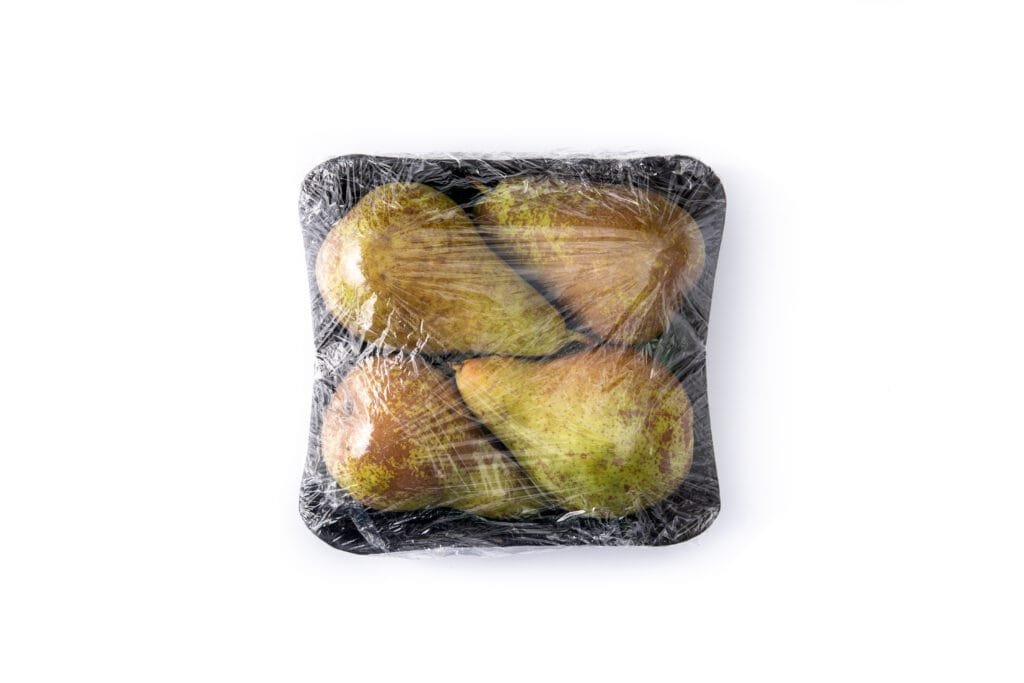
For years, boaters and marinas have been told that recycling shrink wrap is the “responsible” choice. Drop it off, send it away, and feel good knowing it’ll get a new life. But the truth? Plastic recycling isn’t the clean dream it’s sold as — especially when it comes to boat shrink wrap.
Let’s break it down.
92 million lbs of shrinkwrap is used annually in the U.S. for winterization of boats alone.
Conventional wrap takes over 500 years to break down, releasing harmful microplastics and chemicals into the environment.
91% of marine shrink wrap ends up in landfills.
You Boat yard is one of them and a shrink wrap that was discarded, doesn’t just vanish when it’s dropped in a bin. It’s rather contaminated with oil, dirt, tape, vents, etc., making it costly to collect, move, and process. Even when organized recycling programs exist, they come with caveats, logistics, and environmental trade-offs.
Key problems to understand:
Recycling = Microplastic Factory
Shrinkwrap is usually recycled through shredding, melting, and remolding. Each cycle weakens the plastic and produces microplastic dust and fragments. Not all of it can be contained. Tiny particles drift into air, water, and soil - and even reach workers’ lungs. Recycling doesn’t stop microplastics; it often creates them.
2. Chemicals Additives Don’t Disappear
Shrinkwrap contains stabilizers, flame retardants, and plasticizers. When reheated during recycling, these additives can leach or form new toxic compounds. Downcycled plastic (like lumber or low-grade packaging) still carries them, continuing the cycle of leaching into products, soils, and waterways.
3. Contamination Is Common
Boat shrinkwrap rarely comes off clean. It collects vents, tape, mildew, and oil. Sorting is costly and imperfect. Once contamination is in, the batch is compromised and often redirected to landfills.
4. Incineration and open burning are dangerous
Burning plastics - whether in incinerators or open fires - generates toxins like dioxins and furans. These pollutants persist in the environment and are linked to health issues including cancer and autoimmune diseases.
5. Exporting plastic waste isn’t a fix
Some collected shrink wrap is shipped overseas. But often, it ends up in places without proper disposal systems, where it’s burned or dumped - eventually breaking into microplastics that travel back into oceans and rivers.
6. The Recycling Illusion
Here’s the hard truth: globally, only about 9% of plastic is truly recycled. Much of what’s collected is sent overseas, burned, or dumped, contributing to the very pollution recycling was meant to prevent.
7. The Stewardship Programs
Some states, like Minnesota, California, and Oregon, have introduced stewardship programs to address shrink wrap waste. These efforts represent progress - but most don't yet recognize or allow innovative technologies like bioaqualife®. So while boaters, marinas, and installers want better options, they’re usually guided back toward a “recycle only” model.
The good news? These programs are evolving, and with more awareness and advocacy, broader solutions can be included in the future.
8. A Better Way Forward
Shrinkwrap needs to protect boats first - strength, weldability, and durability matter. But it shouldn’t stay in the environment for centuries when discarded. That’s where bioWrap® from bioaqualife® changes the game. It performs better than traditional white or blue wrap and it’s landfill-biodegradable, disappearing in 3.5-5 years instead of millennia (independent lab verified).
It’s time to embrace innovation and let it work for installers, marinas, boat owners, and the planet.
What installers and marina owners can do now
Ask hard questions of your recycling partners: Where exactly does the material go, and what’s the documented outcome?
Prioritize materials that combine professional performance (weldability, strength, UV resistance) with safer end-of-life outcomes.
Encourage stewardship organizations and policymakers to expand definitions - so innovative, low-pollution technologies can be recognized and supported.
Bottom line
If you’re a marina manager, installer, or boat owner who cares about protecting what’s on the dock - and what’s downstream - it’s time to ask for better. Choose materials that protect your assets today, without polluting tomorrow.
Posted inNEWS & ARTICLES|Comments Off on The Recycling: Why It’s Time to Rethink
Based in Istanbul, KARMA Yat is a trusted leader in yacht coatings and shrink-wrap applications, especially within the superyacht sector.
With their technical excellence and reputation for precision, KARMA Yat is the perfect partner to introduce bioWrap® and our landfill-biodegradable line across Türkiye.
Welcome aboard, KARMA YAT TEKNIK. The journey toward a cleaner, more sustainable marine industry continues!
Posted inNEWS & ARTICLES|Comments Off on KARMA YAT TEKNIK - new Distributor of bioaqualife® in Türkiye!
“This is not the first project to collapse, and it certainly won’t be the last,” said Simon Milne, founder of bioaqualife®. “While the world waits for a perfect recycling solution, the plastic waste crisis continues to escalate. We need action now.”
Beyond economic and operational hurdles, mounting research is pointing to potential health risks associated with certain recycling methods, raising further concerns over their long-term viability.
A Practical Step Forward: Landfill-Biodegradable Technology
bioaqualife® offers a proven, immediate solution: landfill-biodegradable shrinkwrap that performs to industry-leading standards while breaking down safely in 3–5 years without leaving harmful microplastics (independent lab certified).
“Our technology doesn’t replace the need for recycling—it fills the critical gap where recycling fails,” Milne explained. “If landfill-biodegradable materials became the standard for products that cannot or will not be recycled, we could dramatically reduce long-term plastic pollution.”
The Call to Make It Standard
With high-profile recycling projects stalling worldwide, bioaqualife® urges marinas, manufacturers, and policymakers to adopt landfill-biodegradable materials as a standard requirement.
“The technology is ready. The need is urgent. Waiting is the worst choice we can make,” Milne added.
For more information on bioaqualife® landfill-biodegradable technology, visit bioaqualife.com.
Our bioWrap® solution—landfill-biodegradable shrinkwrap — is being recognized among the top innovations shaping a more sustainable future for air cargo logistics.
We can't wait to present our impact at the Executive Summit 2025 in Hong Kong this June.
This recognition fuels our mission to drive change, roll by roll. Thank you to the jury for believing in a cleaner future—and in us.
Posted inNEWS & ARTICLES|Comments Off on We’re flying high on good news!
We’re thrilled to announce that BLA is now the official distributor of bioaqualife® in Australia and New Zealand!
Together, we’re making it easier than ever to ditch traditional plastic shrink wrap and switch to a smarter, cleaner, and more planet-friendly alternative.
As a trusted leader in the marine industry, BLA shares our passion for innovation, quality, and sustainability.
This partnership brings our groundbreaking products including bioWrap®, bioTape®, and bioDoor™ closer to boatyards, marine professionals, and eco-conscious customers throughout the region.
Let’s wrap it green!
Posted inNEWS & ARTICLES|Comments Off on BLA – New Distributor of bioaqualife
On Earth Day, we want to share something that shocked us.
We’ve all seen images of turtles tangled in plastic bags or birds with bottle caps in their stomachs. But the most dangerous plastic pollution is what we don’t see — and it's not just out there in the oceans or remote lands. It’s inside us.
Microplastics and nanoplastics — tiny particles that form when larger plastics break down — have been found in our lungs, our blood, and even our placentas. These particles are not inert. They carry with them toxic chemicals like PFAS, heavy metals, and endocrine disruptors, creating a silent and pervasive health crisis.
This Earth Day, bioaqualife® invites you to pause and reflect: What are we doing — or not doing — to protect ourselves and future generations from microplastics?
THE UNSEEN INVASION: MICROPLASTICS AND OUR BODIES
A recent NPR investigation revealed just how deeply microplastics and nanoplastics have infiltrated our lives — and our bodies. Research referenced in the report found that:
Plastic particles have been detected in human placentas, lung tissue, and even the bloodstream.
These particles can carry and release toxic chemicals, including PFAS — substances already linked to cancer, fertility issues, and immune dysfunction.
Infants and children may be at greater risk due to their developing systems and higher exposure levels per body weight.
“What shocked me most,” one scientist noted, “was how normal this now seems — that plastic is simply a part of the human experience.”
The idea that plastic is everywhere — including inside us — is no longer science fiction. It’s today’s reality. And yet, public awareness remains dangerously low. Many still perceive microplastics as an “ocean problem” or something far removed from daily life.
WHY THIS MATTERS FOR THE NEXT GENERATION
We’re at an inflection point. The decisions we make now — about the materials we choose, the products we use, and the systems we support — will directly shape the health of our children and grandchildren.
The inconvenient truth? Most “recyclable” plastics aren’t recycled. They degrade slowly in the landfill, breaking into smaller and smaller fragments, polluting not just our environment but our food, our water, and ultimately, our biology.
The most urgent question today is no longer “Do microplastics harm us?” It’s “How can we stop adding to the problem?”
THE bioaqualife® SOLUTION: ENGINEERED TO DEGRADE, BUILT TO PROTECT
At bioaqualife®, we don't just believe in sustainability — we engineer it.
Our suite of products — including bioWrap®, bioTape®, and bioDoor™ — was designed with one radical goal: to stop plastic pollution before it starts and specifically, microplastics.
What makes our approach different?
Biodegradation with integrity: Our films break down in landfill conditions within 3 to 5 years* — without generating microplastics or harmful residues.
No compromise on strength: bioaqualife® products match or exceed the performance of traditional shrink wrap — used by world-class teams like American Magic and INEOS Britannia.
Certified innovation: Our materials are third-party tested for degradation and safety, ensuring they serve their function and their future impact.
Every roll of bioWrap® or any bioDoor™ installed replaces a potential microplastic emitter. Every package sealed with bioTape® reduces the long tail of pollution that conventional plastics leave behind.
* as suggested by the Independent Lab Test
CALL TO ACTION: FOR OUR KIDS, FOR OUR FUTURE
This Earth Day, we urge you to take a moment — not just to recycle a bottle or skip a straw, but to reflect deeply on what kind of world we are building.
Microplastics are not “out there.” They are in here — in our air, our water, and our children’s bodies. But they don’t have to be.
We can choose better materials. We can choose innovation over inertia. We can choose to act now, before the invisible becomes irreversible.
At bioaqualife®, we’ve made our choice. Join us.
👉 Learn more about how our biodegradable shrink wrap is helping industries go microplastic-free — without compromise. 🔗 bioaqualife.com
Posted inblog, NEWS & ARTICLES|Comments Off on Invisible Threats, Visible Action: Microplastics, Human Health & the bioaqualife® Response
We’re proud to announce that Fastenal has joined the bioaqualife® family and signed on as a distributor for our biodegradable shrinkwrap products. This will make our products available for industrial businesses throughout the USA.
bioWrap® is the ONLY shrinkwrap that will biodegrade when placed in landfill conditions without breaking down into microplastics!
Stay tuned for more details! Let’s wrap it Green!
Posted inNEWS & ARTICLES|Comments Off on bioaqualife x Fastenal!
We’re proud to share that bioaqualife® has been named Best Biodegradable Plastic Alternative Company 2025, and our breakthrough product, bioWrap®, has been awarded Most Innovative Shrink Wrap by Global Health & Pharma Magazine.
This prestigious recognition is more than just an accolade—it’s a celebration of the passion, persistence, and purpose behind our revolutionary solution.
Seven years ago, bioaqualife® founder, Simon Milne, set out to solve a growing environmental crisis: the overwhelming waste caused by traditional marine shrinkwrap. His vision led to the creation of bioWrap®, the world’s first shrinkwrap that’s landfill biodegradable and recyclable. Today, that vision has been honoured on a global stage.
At bioaqualife®, we’re not simply manufacturing shrink wrap—we’re reshaping the future of industries like marine, construction, agriculture, packaging, and logistics. Our mission? To prove that durability, performance, and sustainability can—and must—go hand in hand.
Being recognized as the most innovative shrinkwrap isn’t just a milestone—it’s fuel for the journey ahead.
To our brilliant team, our visionary sales partners, and the change making customers who choose sustainability: thank you for believing in our mission!
The shift toward planet-friendly plastic is happening. We’re not just part of it—we’re leading it. And we’re just getting started.
Posted inNEWS & ARTICLES|Comments Off on Major Win for bioaqualife®!
Plastics are everywhere—from the shrink wrap protecting boats and construction sites to packaging materials and industrial coverings. But do you know what happens to plastic after you dispose of it?
Understanding how plastics break down (or don’t) can help you make smarter choices for your business and the environment. Let’s break it down.
Conventional Plastics: Durable But Dangerous
Most shrink wraps today are made of polyethylene (PE) or polypropylene (PP)—plastics designed for durability, not sustainability. While these materials do their job well, they come with a huge environmental cost:
✅ Strong & durable – Ideal for industrial applications.
❌Breaks down into microplastics
❌Takes hundreds of years to degrade.
❌Limited recyclability – Many recycling facilities reject contaminated plastics.
❌Harmful disposal options – Landfilling and incineration lead to pollution.
Where Does It Go?
Landfills: Stays intact for centuries, breaking into microplastics.
Incineration: Releases toxic gases and greenhouse emissions.
If your business relies on conventional plastics, it’s time to rethink the materials you use.
Discarded shrink wrap after boat winterization
Oxo-Degradable Plastics: A False Solution
You might have heard about oxo-degradable plastics—plastics that claim to "break down faster." But here’s the truth: ✅ Fragments faster than regular plastic.
❌Turns into microplastics instead of fully decomposing.
❌Release heavy metals during degradation.
❌Cannot be recycled safely.
These plastics still persist in the environment, causing long-term pollution.
Compostable Plastics: Not Always the Answer
Compostable plastics sound like a great solution, but they come with hidden drawbacks: ✅ Break down in industrial composting facilities.
❌Do NOT decompose in landfills, oceans, or natural environments.
❌May leave behind toxic residues and heavy metals.
❌Home composting is unreliable.
❌Not suitable for shrink wrapping applications.
If your business doesn’t have access to industrial composting, these materials may not be the best fit.
Biodegradable Plastics: The Hidden Challenges
Biodegradable plastics are designed to break down with the help of microorganisms, but not all of them degrade efficiently in real-world environments. Many require specific conditions, such as anaerobic (oxygen-free) environments found in landfills, where microbes assist in the breakdown process. However, this can lead to unintended consequences.
Disposal Realities:
Landfills: Some biodegradable plastics decompose in anaerobic conditions, but this process often produces methane, a potent greenhouse gas. While some landfills capture methane for energy, many do not, allowing emissions to contribute to climate change.
Composting: Only specific biodegradable plastics are suitable for industrial composting, where controlled conditions ensure degradation. However, if improperly managed, they can leave behind microplastics or heavy metals that contaminate the compost.
While biodegradable plastics sound like a perfect solution, their real impact depends on proper disposal methods—and most waste streams today are not equipped to handle them correctly.
This is why bioaqualife® is different.
Why bioaqualife® is the Future of Shrink Wrap
bioaqualife®'s biodegradable shrink wrap is engineered to solve the plastic problem—without sacrificing performance: ✅ Breaks down in 3-5 years (vs. centuries for conventional plastics). ✅ Biodegrades into water, CO₂, and organic matter—NO microplastics. ✅ Safe for the recycling stream—a circular solution. ✅ Works just like traditional shrink wrap or even outperforms it —strong, durable, and effective.
Whether you run a shrink wrap installation business, marina, construction site, or logistics or packaging company, switching to bioaqualife® means protecting what matters—your assets and the planet.
Plastics Comparison At Glance
The Choice is Clear
Keep using conventional plastics and contribute to long-term pollution. Switch to bioaqualife® and be part of the solution.
Say YES to Green! Choose bioaqualife®!
Posted inblog, NEWS & ARTICLES|Comments Off on The Truth About Plastic Degradation: What Every Shrink Wrap User Needs to Know
We’re excited to announce that Atlantic Marketing will be showcasing bioaqualife®'s bioWrap® in their trailer at this year’s show! Why Visit?
Expert Insights – Talk to industry professionals about the benefits for both boat owners and marinas.
Live Demonstrations – See firsthand how bioWrap® delivers durable, biodegradable protection.
Sustainable Innovation – Learn how bioWrap® helps reduce plastic waste while maintaining performance.
As the marine industry moves toward sustainability, landfill-biodegradable solutions like bioWrap® offer a smarter, more responsible alternative to traditional shrink wrap.
Let’s talk about the future of boat protection. Visit the Atlantic Marketing trailer and discover how bioaqualife® is making a difference.
Posted inNEWS & ARTICLES|Comments Off on Join Us at Atlantic City Boat Show!
As the Middle East’s premier marine exhibition, this event is the perfect opportunity to explore bioaqualife®’s game-changing bioWrap®—a biodegradable and recyclable alternative to traditional shrink wrap.
Where to Find bioaqualife®?
Middle East Distributor – MTM Composites Outdoor Arena – Stand OD35
Experience bioaqualife® up close – Discover our eco-friendly bioWrap®, bioTape®, and biozip access doors.
Learn from industry experts – Find out about superior product quality and how transitioning from traditional shrink wrap can reduce the environmental footprint of your business TODAY.
Exclusive event-only offers – Don’t miss special deals available only at the show!
See you at Stand OD35 and Booth MLL- 52 & 54!
Posted inNEWS & ARTICLES|Comments Off on Next Meeting with bioaqualife® – the Dubai International Boat Show 2025
[Jamestown Press RI, USA, 13 FEBRUARY 2025] bioWrap® can be used to wrap everything from boats, above, to buildings, below. Created by Jamestown resident Simon Milne, the wrap is biodegradable and breaks down completely in landfills.
According to 11th Hour Racing, there are about 6.2 million registered boats in the United States, which generate more than 46,472 tons, or 92 million pounds, of shrink-wrap annually.
That includes 294 tons of shrinkwrap in Rhode Island with only 7 percent of that being recycled.
The harbor department’s two patrol boats in Jamestown, however, do not add to that pollution. Harbormaster Bart Totten was approached in the fall by Simon Milne, a Jamestown man whose company, bioaqualife®, produces bioWrap®. The wrap, which is biodegradable and does not leave behind microplastics when it is buried at the landfill, ultimately won the bid.
“It does everything we need,” said James Heagney, executive director of the department, “and it came at a very good price. … It looks and behaves just like the traditional stretch film.”
“We really like that it’s recyclable. It’s good for the environment,” Totten added. “It seems to be working great so far.”
Milne, who originally is from the United Kingdom, is no stranger to the waterfront as he has sailed from Narragansett Bay to Australia to the Mediterranean. The idea for bioWrap® surfaced from a casual conversation with friends who were sitting around at the beginning of a sailing season discussing how bad the plastic problem was in April, May and June when the plastic comes off the boats after winterization.
“We knew we had a way to tackle the problem,” Milne said. “We just had to develop the plastic itself. We had to have plastic that performed well and stood up to the winters.”
According to Milne, it took five years to develop and test the plastic. The bioWrap®, which is manufactured in the United States and has a distinct mint green color, was launched in July 2023. It is available in the United States, France and the United Arab Emirates with plans to expand to the rest of Europe, Australia, New Zealand, Central America and South America.
Available in thickness ranging from 7 to 7.5 millimeters, Milne said the innovative material is functionally comparable to traditional shrink-wrap films. Although the width ranges from 18 to 40 feet, the rolls maintain a consistent weight of 200 pounds.
“This combination of durability, versatility, and consistent weight is enhanced by its biodegradable properties, ensuring marine professionals don’t just protect their assets but also contribute to a greener future,” the company boasts.
According to Milne, bioWrap® uses “organic enzymes to attract naturally occurring anaerobic bacteria in the landfill to digest the enzymes and break down the large plastic polymer molecules into smaller organic molecules that the bacteria then recognize as food. They then digest these smaller molecules and continue the process until the plastic is fully biodegraded.”
Milne said the wrap does not break down into microplastics. The company is required by the Federal Trade Commission to corroborate their biodegradable claims. Milne said their latest testing, after 501 days, found 41.7 percent of the product biodegraded.
Luke Hickling, owner of Moriches Island Shrink Wrap, reviewed the product on YouTube.
“This piece of plastic isn’t going to be around for 1,000 years,” he said. “To me, it’s an easy win.” Committed to a cleaner, greener environment for his children, Milne said he was “really proud that the small town of Jamestown is using it.”
Our sales representative E&P Marine will be proudly showcasing bioaqualife® at Booth MB296L. Explore how our innovative bioWrap® can revolutionize your business, offering a sustainable alternative to traditional shrink wrap.
What awaits you in the booth?
Samples of bioWrap®, bioTape® and bioZip® (access doors): Learn about our biodegradable & recyclable shrinkwrap products features and their environmental benefits.
Expert Insights: Discuss the seamless transition from conventional shrink wrap to bioWrap® with our knowledgeable team.
Exclusive Offers: Discover special deals available only during the show.
Event Details:
Dates: February 13-17, 2025 Location: Miami Beach Convention Center Booth: MB296L
Visit us at Booth MB296L and let’s wrap it GREEN together!
Posted inNEWS & ARTICLES|Comments Off on Miami International Boat Show is calling!
January is rich for the shows bioaqaulife® attends with a purpose to grow the awareness of the boat owners about biodegradable alternatives to the traditional shrink wrap!
On January 28-30, 2025, bioaqualife® will participate in the AMI Conference & Expo in Fort Lauderdale, FL.
Come to visit our booth in Exhibit Hall A to discover bioWrap®—our innovative, biodegradable shrink wrap that offers superior protection for your vessel while promoting environmental sustainability.
Don't miss the presentation: "Wrapping It Up: Best Practices and Innovations in Shrink Wrap Applications", by Jesse Ray Mcardell, NMMA, and Chad Tokowicz, MRAA, this session will explore groundbreaking advancements in sustainable shrink wrap solutions and effective recycling programs. We will be there as well!
Join us to learn how bioWrap® can help you achieve sustainability without compromising on the protection of your boat.
Meet you at AMI!
Posted inNEWS & ARTICLES|Comments Off on AMI Conference & Expo in Fort Lauderdale, FL
Meet bioaqualife® at the Hartford Boat Show, taking place from January 16-19, 2025, at the Earth Expo Center at Mohegan Sun.
Have you heard fellow boat owners discussing our revolutionary biodegradable shrinkwrap? Perhaps you've noticed the distinctive green wrap on boats in your marina, or maybe you're new to the concept of a truly biodegradable shrinkwrap alternative.
We invite you to visit our sales team from Atlantic Marketing in their trailer during the show. Our knowledgeable team will be on hand to provide live demonstrations, answer all your questions, and discuss how switching to bioWrap® can benefit both you and the environment—without compromising the protection of your boat.
Don't miss this opportunity to discover how bioaqualife® is setting new standards in sustainable boat protection.
We look forward to seeing you there!
Posted inNEWS & ARTICLES|Comments Off on Meet bioaqualife® at the Hartford Boat Show
[ USA, RI, 2 DECEMBER 2024 ] A groundbreaking shrink wrap material by bioaqualife® is making waves in the marine industry, combining eco-friendly innovation with practical enhancements that simplify boat maintenance and winterisation. Entirely biodegradable and easier to install, this new product promises to transform how boats are protected during off-season or repair work.
Manufactured in the United States, the bioaqualife® shrink wrap addresses one of the most pressing environmental concerns—plastic waste. Unlike conventional shrink wraps made from polymers that resist decomposition, bioaqualife’s material incorporates a monomer-based plastic. This design allows microbes in landfill environments to ’consume’ the plastic, breaking it down into harmless soil within three years. Importantly, this process avoids the issue of microplastics, which are prevalent with traditional materials. Given that over 46,000 tons of shrink wrap are used annually by the six million yachts in the U.S., this innovation offers a significant step toward reducing microplastic pollution in landfills and aquifers.
Beyond its green credentials, the bioaqualife® shrink wrap stands out for its ease of installation. The inclusion of printed centre lines and distance markers at 60cm intervals eliminates guesswork, enabling faster and more accurate alignment. Simon Milne, Bioaqualife’s founder and a former professional yachtsman, emphasised that these features were designed with labour efficiency in mind. By streamlining the installation process, this product reduces labour costs and time—an important factor for large-scale shrink-wrapping projects.
The shrink wrap is available in two thicknesses, 7.0 mil and 7.5 mil, and widths ranging from 5.5 metres (18 feet) to 12.32 metres (40.4 feet), making it suitable for boats of any size. Its versatility extends beyond the marine industry, with potential applications in agriculture and construction. Despite its biodegradability, the material maintains the strength and durability of conventional shrink wraps, as confirmed by rigorous drop and stress tests.
While the cost per metre is slightly higher than traditional options, Milne argues that the reduced labour time offsets this expense. The material's pale green hue distinguishes it visually and serves as a badge of its eco-friendly design, signalling a commitment to sustainability.
As environmental concerns continue to shape the yachting and marine industries, Bioaqualife's innovative shrink wrap offers a timely and practical solution. Its combination of sustainability, durability, and efficiency is setting a new standard for shrink-wrap materials worldwide.
For more information about bioaqualife® and its range of biodegradable solutions, please visit bioaqualife.com.
About bioaqualife®: bioaqualife® is an innovative company committed to providing biodegradable and recycled alternatives to single-use plastics. With their proprietary additive and products made in the USA, bioaqualife® sets a new standard for sustainable solutions. Through their commitment to circular alternatives and environmental responsibility, bioaqualife® aims to redefine industry norms and create a more sustainable world.
Biodegradable plastic shrinkwrap is a groundbreaking alternative to traditional plastic materials. This innovative product is designed to break down naturally over time, thanks to the incorporation of organic additives that facilitate microbial degradation. Unlike conventional plastics, which can take centuries to decompose, biodegradable shrinkwrap can disintegrate within a few months to a few years under the right environmental conditions.
A Sustainable Solution for Industries
This characteristic makes it an attractive option for industries looking to reduce their ecological footprint. In our research, we have identified various types of biodegradable plastics that can be utilized for shrinkwrap applications. These materials are often derived from renewable resources such as cornstarch or sugarcane, making them more sustainable than their petroleum-based counterparts.
Harnessing the Power of Nature
By harnessing the power of nature, we can create products that not only serve their intended purpose but also contribute positively to the environment. As we delve deeper into the potential of biodegradable shrinkwrap, we recognize its capacity to revolutionize the boating industry and beyond.
Advantages of Biodegradable Plastic Shrinkwrap
The advantages of biodegradable plastic shrinkwrap extend beyond its ability to decompose. One of the most significant benefits is its reduced environmental impact. By opting for biodegradable materials, boat owners and manufacturers can significantly decrease their reliance on traditional plastics, thereby minimizing their contribution to pollution and waste (and particularly microplastics).
This shift not only aligns with global sustainability goals but also enhances the reputation of businesses committed to eco-friendly practices. Moreover, biodegradable shrinkwrap offers comparable performance to conventional options. It provides excellent protection against moisture, UV rays, and physical damage, ensuring that boats remain in pristine condition during storage or transport.
Additionally, many biodegradable shrinkwrap products are designed to be user-friendly, allowing for easy application and removal. This combination of functionality and sustainability makes biodegradable shrinkwrap an appealing choice for those in the boating industry who are looking to make a positive change.
How Biodegradable Plastic Shrinkwrap Reduces Waste
The transition to biodegradable plastic shrinkwrap has the potential to significantly reduce waste generated by the boating industry. Traditional plastic shrinkwrap often ends up in landfills or waterways after use, contributing to the growing problem of plastic pollution. In contrast, biodegradable options are designed to break down into harmless byproducts when exposed to the right conditions, such as moisture and microbial activity.
This means that instead of lingering in the environment for decades, biodegradable shrinkwrap can return to nature more quickly. Furthermore, the adoption of biodegradable shrinkwrap encourages a circular economy approach within the boating industry. By choosing materials that can decompose naturally, we are promoting a system where resources are reused and recycled rather than discarded.
This shift not only helps reduce waste but also fosters innovation in material science and manufacturing processes. As we continue to advocate for sustainable practices, we believe that biodegradable shrinkwrap can play a crucial role in transforming how the boating industry approaches packaging and waste management.
Biodegradable Plastic Shrinkwrap in the Market
Metrics
Data
Reduction in plastic waste
Up to 80%
Biodegradation time
3-5 years
Environmental impact
Reduced carbon footprint
Cost-effectiveness
10% higher vs traditional plastic
As we explore the market landscape for biodegradable plastic shrinkwrap, we find that interest in sustainable alternatives is on the rise. Several companies have begun to develop and market biodegradable shrinkwrap products specifically tailored for the boating industry. These products are gaining traction among environmentally conscious consumers who are increasingly aware of their ecological footprint.
The growing demand for sustainable materials is prompting manufacturers to invest in research and development, leading to improved performance and affordability of biodegradable options. However, despite this positive trend, there remains a need for greater awareness and education regarding biodegradable shrinkwrap among boat owners and industry stakeholders. Many individuals may still be unaware of the benefits and availability of these products.
As experts in this field, we recognize our responsibility to disseminate information about biodegradable options and their advantages over traditional plastics. By fostering collaboration between manufacturers, retailers, and consumers, we can accelerate the adoption of biodegradable shrinkwrap in the boating industry.
Challenges and Limitations of Biodegradable Plastic Shrinkwrap
Understanding the Limitations of Biodegradable Plastic Shrinkwrap
While biodegradable plastic shrinkwrap offers numerous benefits, it is crucial to acknowledge the challenges associated with its use. One significant concern is the variability in degradation rates depending on environmental conditions. For instance, biodegradable materials may require specific anaerobic conditions to break down effectively.
Environmental Factors Affecting Biodegradation
In some cases, if these conditions are not met—such as in cold or dry environments—the material may not decompose as intended. This highlights the importance of understanding the specific environmental requirements for biodegradable materials to function as intended.
The Need for Standardized Labeling Practices
Additionally, there is often confusion surrounding labeling and certification standards for biodegradable products. Not all biodegradable plastics are created equal; some may only degrade under industrial composting conditions rather than in natural environments. This lack of clarity can lead to misconceptions among consumers about what constitutes a truly sustainable product. As a result, standardized labeling practices are necessary to provide clear information about the biodegradability of materials, enabling consumers to make informed choices.
Tips for Using Biodegradable Plastic Shrinkwrap
To maximize the benefits of biodegradable plastic shrinkwrap, we recommend several best practices for boat owners and industry professionals alike. First and foremost, it is crucial to ensure proper application techniques when using biodegradable shrinkwrap. Just like traditional shrinkwrap, it should be applied tightly around the boat to prevent moisture accumulation and ensure optimal protection during storage or transport.
Furthermore, we encourage users to consider local disposal options after removing the shrinkwrap. While biodegradable materials are designed to break down naturally, they still require appropriate conditions for decomposition. If possible, composting or recycling programs that accept biodegradable plastics should be utilized to ensure that these materials are disposed of responsibly.
By following these guidelines, we can collectively contribute to reducing waste and promoting sustainability within the boating industry.
The Future of Biodegradable Plastic Shrinkwrap
Looking ahead, we are optimistic about the future of biodegradable plastic shrinkwrap in the boating industry and beyond. As awareness of environmental issues continues to grow, we anticipate an increasing demand for sustainable packaging solutions across various sectors. This trend will likely drive further innovation in material science, leading to the development of even more effective biodegradable products that meet consumer needs without compromising performance.
Moreover, as researchers and advocates for sustainable practices, we believe that collaboration between academia, industry stakeholders, and policymakers will be essential in advancing the adoption of biodegradable materials. By working together to establish clear guidelines and standards for biodegradable products, we can create a more sustainable future for all industries reliant on packaging materials. Ultimately, our commitment to reducing plastic waste through innovative solutions like biodegradable shrinkwrap will play a vital role in preserving our planet for future generations.
For those interested in sustainable packaging solutions, particularly in the realm of biodegradable materials, a relevant article worth reading is about bioaqualife®'s innovative product, bioWrap®. This biodegradable plastic shrinkwrap not only offers an eco-friendly alternative to traditional plastics but has also achieved a Class A rating in the key flame spread test, ASTM E84. This achievement marks a significant milestone in ensuring safety alongside environmental responsibility. You can read more about this breakthrough and its implications for both the environment and industries relying on shrinkwrap by visiting bioaqualife®'s bioWrap® Achieves Class A Rating in ASTM E84.
FAQs
What is biodegradable plastic shrinkwrap?
Biodegradable plastic shrinkwrap is an innovative material designed to provide the protective benefits of traditional shrinkwrap while offering an environmentally friendly solution for its disposal. Unlike conventional plastics, which can persist in the environment for centuries, biodegradable shrinkwrap breaks down into natural components like water, carbon dioxide, and biomass when exposed to specific conditions, such as those found in landfills or composting environments.
How is biodegradable plastic shrinkwrap different from traditional plastic shrinkwrap?
Biodegradable plastic shrinkwrap is designed to break down into natural elements over time, leaving no microplastics or toxic substances behind.
What are the benefits of using biodegradable plastic shrinkwrap?
The use of biodegradable plastic shrinkwrap can help reduce the environmental impact of packaging materials by minimizing the amount of non-biodegradable waste that ends up in landfills and oceans. It also helps to promote the use of renewable resources and supports a more sustainable approach to packaging.
Is biodegradable plastic shrinkwrap as durable as traditional plastic shrinkwrap?
Biodegradable plastic shrinkwrap can be just as durable as traditional plastic shrinkwrap, depending on the specific materials and manufacturing processes used. However, it is important to note that biodegradable plastic shrinkwrap may have different properties and performance characteristics, so it is important to consider the specific application and requirements when choosing a packaging material.
How long does it take for biodegradable plastic shrinkwrap to break down?
The time it takes for biodegradable plastic shrinkwrap to break down can vary depending on factors such as the specific materials used, environmental conditions, and the presence of microorganisms. In general, biodegradable plastic shrinkwrap is designed to break down over a period of 3 to 5 years, as opposed to traditional plastic shrinkwrap, which can persist in the environment for hundreds of years.
Posted inbioaqualife|Comments Off on Reducing Waste: Biodegradable Plastic Shrinkwrap
The foundation of any biodegradable plastic product lies in its raw materials. In our research, we have identified several key ingredients that contribute to the production of biodegradable plastic shrinkwrap. Primarily, these materials include polymers.
These polymers serve as the backbone of the shrinkwrap, providing the necessary structural integrity. In addition to polymers, bioaqualife® incorporates a special monomer that attracts anaerobic microbes, facilitating biodegradation. Various additives, such as plasticizers, may be added to enhance the flexibility and workability of biodegradable shrinkwrap.
Furthermore, we can utilize natural fillers and colorants derived from organic sources to minimize environmental impact while maintaining aesthetic appeal. By carefully selecting these raw materials and ingredients, we can create a product that not only meets the functional requirements of traditional shrinkwrap but also aligns with our sustainability goals.
Mixing and Processing
Once we have gathered our raw materials, the next step involves mixing and processing them to create a homogenous blend suitable for extrusion. This stage is critical, as it determines the final properties of the biodegradable plastic shrinkwrap. We utilize advanced mixing techniques to ensure that all components are evenly distributed throughout the mixture.
This process may involve mechanical mixing or even solvent-based methods, depending on the specific formulation we are working with. After achieving a uniform blend, we proceed to process the mixture through various methods such as compounding and pelletizing. Compounding involves heating the mixture to a specific temperature where the biopolymers melt and blend with additives.
This step is crucial for achieving optimal performance characteristics in the final product. Once compounded, we typically pelletize the material into small granules, making it easier to handle and transport for subsequent processing stages.
Extrusion and Blowing
Extrusion is a pivotal step in the production of biodegradable plastic shrinkwrap. During this process, we feed the pelletized material into an extruder, where it is subjected to heat and pressure. The extruder melts the biopolymer blend and forces it through a die to form a continuous sheet or film.
This film serves as the basis for our shrinkwrap product. The extrusion process allows us to control various parameters such as thickness and width, ensuring that we meet industry standards while catering to specific customer needs. In some cases, we may employ a blowing technique to create a tubular film instead of a flat sheet.
This method involves inflating the extruded film with air to achieve a desired thickness and diameter. The blown film process can enhance certain properties of the biodegradable shrinkwrap, such as strength and flexibility. By carefully monitoring temperature and pressure during extrusion and blowing, we can produce a high-quality product that meets both functional and environmental criteria.
Cooling and Sizing
Metrics
Extrusion
Blowing
Throughput
500 kg/h
300 kg/h
Energy Consumption
50 kWh/ton
40 kWh/ton
Product Quality
High
Medium
After extrusion or blowing, it is essential to cool the newly formed biodegradable plastic shrinkwrap to solidify its structure. We typically employ a cooling system that utilizes chilled water or air to rapidly lower the temperature of the film. This cooling process is crucial for maintaining dimensional stability and preventing warping or distortion in the final product.
As senior researchers, we understand that achieving optimal cooling conditions can significantly impact the mechanical properties of the shrinkwrap. Once cooled, we proceed to size the film according to specific requirements. This sizing process may involve trimming excess material or cutting the film into predetermined lengths for packaging.
We utilize precision cutting equipment to ensure that each roll of shrinkwrap meets exact specifications. By maintaining strict control over cooling and sizing processes, we can guarantee that our biodegradable plastic shrinkwrap performs effectively in real-world applications within the boating industry.
Printing and Labeling
Printing with Eco-Friendly Inks
We utilize eco-friendly inks derived from natural sources to print logos directly onto the film surface. This approach not only enhances product visibility and facilitate further product usage but also aligns with our commitment to sustainability.
Labeling for Sustainability
Moreover, labeling is an essential aspect of our biodegradable shrinkwrap products. We often include clear instructions on product characteristics and proper disposal methods as well as highlight the environmental benefits of using biodegradable materials.
Educating Consumers and Promoting Sustainability
By educating consumers about the advantages of our products, we aim to foster a greater understanding of sustainable practices within the boating community. This initiative not only promotes responsible consumption but also encourages businesses to adopt eco-friendly alternatives in their operations.
Quality Control and Testing
Quality control is paramount in our production process for biodegradable plastic shrinkwrap. As experts in sustainable materials, we understand that even minor defects can compromise product performance and environmental integrity. To ensure that our shrinkwrap meets stringent quality standards, we implement rigorous testing protocols at various stages of production.
We conduct mechanical testing to evaluate properties such as tensile strength, elongation at break, and puncture resistance. These tests help us assess how well our biodegradable shrinkwrap will perform under real-world conditions in the boating industry. Additionally, we perform biodegradability assessments to confirm that our products will decompose effectively when exposed to natural environmental factors.
By adhering to these quality control measures, we can confidently deliver a product that meets both functional requirements and environmental expectations.
Packaging and Distribution
The final stage in our production process involves packaging and distribution of biodegradable plastic shrinkwrap. We prioritize sustainable packaging solutions by utilizing recyclable materials for our product packaging whenever possible. This commitment extends beyond just the shrinkwrap itself; it encompasses every aspect of our supply chain.
Once packaged, we work closely with distribution partners who share our values regarding sustainability. By collaborating with eco-conscious logistics providers, we ensure that our biodegradable shrinkwrap reaches customers efficiently while minimizing carbon emissions associated with transportation. As senior research scientists dedicated to promoting sustainable practices within industries like boating, we believe that every step in our production and distribution process should reflect our commitment to environmental stewardship.
In conclusion, biodegradable plastic shrinkwrap represents a significant advancement in sustainable materials for the boating industry. Through careful selection of raw materials, precise processing techniques, rigorous quality control measures, and eco-friendly packaging solutions, we are paving the way for a more sustainable future in boat storage and protection. As we continue our research and development efforts in this field, we remain committed to fostering innovation that aligns with both consumer needs and environmental responsibility.
If you're interested in learning more about the environmental benefits and the production process of biodegradable plastic shrinkwrap, you might find this related article useful. It discusses the benefits and environmental impact of boat shrink wrap, specifically focusing on BioAquaLife's biodegradable shrink wrap. This article provides insights into how this eco-friendly alternative is beneficial not only in reducing plastic waste but also in its application in marine settings. You can read more about it by visiting The Benefits and Environmental Impact of Boat Shrink Wrap: BioAquaLife’s Biodegradable Shrink Wrap.
FAQs
What is biodegradable plastic shrinkwrap made of?
Biodegradable plastic shrink wrap is typically made from materials that can decompose naturally without leaving harmful residues, such as microplastics. Here are the common components and materials used in biodegradable plastic shrink wrap:
PLA (Polylactic Acid): This is a biodegradable thermoplastic made from renewable resources like corn starch or sugarcane. PLA is commonly used in various packaging applications, including shrink wrap.
PBAT (Polybutylene Adipate Terephthalate): A biodegradable polyester that is often blended with other materials to enhance flexibility and durability. PBAT helps improve the mechanical properties of biodegradable films.
Starch-Based Polymers: These are derived from natural starch sources and can be used to create biodegradable films. They may be blended with other polymers to enhance performance.
PHA (Polyhydroxyalkanoates): A type of biopolymer produced by microbial fermentation of sugars or lipids. PHAs are fully biodegradable and can be used for various packaging applications.
Additives: Biodegradable shrink wraps may also contain additives that promote the degradation process, such as enzymes or other compounds that facilitate breakdown in composting environments.
These materials allow biodegradable shrink wrap to perform similarly to traditional plastic while ensuring that it decomposes safely in the environment, thus reducing plastic pollution and its associated environmental impacts.
How is biodegradable plastic shrinkwrap manufactured?
The manufacturing process for biodegradable plastic shrinkwrap involves extruding the biodegradable mix into thin sheets, which are then treated with heat and stretched to create the shrinkwrap film. The film is then cooled and cut into the desired sizes.
What makes biodegradable plastic shrinkwrap environmentally friendly?
Biodegradable plastic shrinkwrap is considered environmentally friendly because it is designed to break down into natural components, such as water, gas, and biomass, through the action of microorganisms in the anaerobic environment.
Is biodegradable plastic shrinkwrap as strong as traditional plastic shrinkwrap?
Biodegradable plastic shrinkwrap can be engineered to have similar or even greater strength and durability as traditional plastic shrinkwrap, making it suitable for a wide range of packaging applications.
Can biodegradable plastic shrinkwrap be recycled?
While biodegradable plastic shrinkwrap is designed to break down in the environment, it can be recycled. It's important to check with local recycling facilities to see if they accept biodegradable plastics for recycling. In some cases, biodegradable plastics may be accepted for composting.
Posted inbioaqualife|Comments Off on Creating Biodegradable Plastic Shrinkwrap: The Process
Navigating the complex landscape of biodegradable plastic shrinkwrap regulations can be daunting for manufacturers and stakeholders in the boating industry. The regulatory environment is often fragmented, with different jurisdictions imposing varying requirements. This complexity can lead to confusion and inconsistency in product offerings, making it challenging for companies to ensure compliance across multiple markets.
The Importance of Staying Informed
As experts in this field, we understand that a clear understanding of these regulations is vital for manufacturers aiming to innovate responsibly. Moreover, the rapid evolution of biodegradable materials technology adds another layer of complexity. As new formulations and applications emerge, regulations must adapt to keep pace with these advancements.
Proactive Communication for a Sustainable Future
This dynamic environment necessitates ongoing education and engagement with regulatory bodies to ensure that products meet current standards. We believe that proactive communication between manufacturers and regulators can facilitate a smoother transition toward more sustainable practices in the boating industry.
Key Regulatory Bodies and Certifications for Biodegradable Plastic Shrinkwrap
Several key regulatory bodies and certifications play a pivotal role in shaping the landscape of biodegradable plastic shrinkwrap. Organisations such as the Environmental Protection Agency (EPA) in the United States and the European Commission in Europe set forth guidelines that govern the use of biodegradable materials. These bodies are instrumental in defining what constitutes biodegradability and establishing testing protocols to verify claims made by manufacturers.
In addition to governmental agencies, various certification programs exist to provide third-party validation of biodegradable products. For instance, certifications from organizations like ASTM International and the Biodegradable Products Institute (BPI) offer manufacturers a way to demonstrate compliance with established standards. These certifications not only enhance product credibility but also serve as valuable marketing tools in an increasingly eco-conscious marketplace.
As we continue our research, we emphasize the importance of aligning with these regulatory frameworks to ensure that biodegradable shrinkwrap meets both consumer expectations and environmental goals.
The Role of ASTM International in Setting Standards for Biodegradable Plastic Shrinkwrap
ASTM International plays a crucial role in setting standards for biodegradable plastic shrinkwrap, providing a framework that manufacturers can rely on for compliance and quality assurance. As a globally recognized organization, ASTM develops consensus-based standards that address various aspects of biodegradable materials, including testing methods for biodegradability and compostability. These standards are essential for ensuring that products perform as intended in real-world conditions.
For us, the significance of ASTM standards extends beyond mere compliance; they represent a commitment to scientific rigor and environmental responsibility. By adhering to ASTM guidelines, manufacturers can confidently market their biodegradable shrinkwrap as effective alternatives to traditional plastics. Furthermore, these standards facilitate international trade by providing a common language for product specifications, thereby reducing barriers for companies looking to expand their reach in global markets.
Compliance with Biodegradable Plastic Shrinkwrap Regulations: Challenges and Solutions
ASTM International Standards for Biodegradable Plastic Shrinkwrap
Details
Standard Number
D6400
Title
Standard Specification for Labelling of Plastics Designed to be Aerobically Composted in Municipal or Industrial Facilities
Scope
Specifies the labeling of plastic materials as compostable in aerobic municipal and industrial composting facilities
Standard Number
D6868
Title
Standard Specification for Labelling of End Items that Incorporate Plastics and Polymers as Coatings or Additives with Paper and Other Substrates Designed to be Aerobically Composted in Municipal or Industrial Facilities
Scope
Specifies the labelling of end items that incorporate plastics and polymers as coatings or additives with paper and other substrates as compostable in aerobic municipal and industrial composting facilities
Compliance with biodegradable plastic shrinkwrap regulations presents several challenges that manufacturers must navigate. One significant hurdle is the variability in testing methods and criteria across different regulatory bodies. This inconsistency can lead to confusion regarding which standards to follow, potentially resulting in non-compliance or mislabeling of products.
As experts in sustainable materials, we advocate for greater harmonization of regulations to simplify compliance processes for manufacturers. Another challenge lies in the cost associated with obtaining certifications and conducting necessary testing. Smaller companies may find it particularly difficult to bear these expenses, which can deter innovation in the biodegradable materials sector.
To address this issue, we suggest exploring collaborative approaches where industry stakeholders can share resources or establish collective testing facilities. By pooling resources, companies can reduce costs while still ensuring compliance with necessary regulations.
The Impact of Biodegradable Plastic Shrinkwrap Regulations on the Packaging Industry
The impact of biodegradable plastic shrinkwrap regulations on the packaging industry is profound and multifaceted. As consumers become increasingly aware of environmental issues, there is a growing demand for sustainable packaging solutions. Regulations that promote biodegradable materials not only encourage innovation but also drive market growth in this sector.
For us, this shift represents an exciting opportunity for manufacturers to differentiate themselves by offering eco-friendly alternatives. Moreover, these regulations can catalyze broader changes within the packaging industry by encouraging companies to rethink their entire supply chains. As businesses strive to comply with biodegradable shrinkwrap standards, they may also seek out other sustainable practices, such as reducing overall plastic usage or implementing circular economy principles.
This holistic approach can lead to significant reductions in environmental impact across various sectors, including boating.
The Future of Regulations and Certifications for Biodegradable Plastic Shrinkwrap
Looking ahead, we anticipate that regulations and certifications for biodegradable plastic shrinkwrap will continue to evolve in response to technological advancements and shifting consumer preferences. As new materials are developed and tested, regulatory bodies will need to adapt their frameworks to ensure that they remain relevant and effective. We believe that ongoing collaboration between scientists, manufacturers, and regulators will be essential in shaping this future landscape.
Furthermore, as public awareness of environmental issues grows, we expect increased pressure on regulatory bodies to establish more stringent guidelines for biodegradable materials. This could lead to more comprehensive testing protocols and clearer definitions of biodegradability. For manufacturers in the boating industry, staying ahead of these trends will be crucial for maintaining compliance and meeting consumer expectations.
Best Practices for Ensuring Compliance with Biodegradable Plastic Shrinkwrap Regulations
To ensure compliance with biodegradable plastic shrinkwrap regulations, we recommend several best practices for manufacturers in the boating industry. First and foremost, staying informed about current regulations and standards is essential. Regularly reviewing updates from key regulatory bodies and participating in industry forums can help companies remain compliant while also identifying emerging trends.
Additionally, investing in robust testing protocols is critical for verifying product claims related to biodegradability. Collaborating with accredited laboratories can provide manufacturers with reliable data that supports their marketing efforts while ensuring adherence to established standards. Finally, fostering open communication with regulatory agencies can facilitate a better understanding of compliance requirements and help address any potential challenges proactively.
In conclusion, as we navigate the evolving landscape of biodegradable plastic shrinkwrap regulations together, it is clear that our collective efforts will play a vital role in shaping a more sustainable future for the boating industry and beyond. By prioritizing compliance and embracing innovation, we can contribute to meaningful change while meeting the needs of consumers who are increasingly seeking environmentally responsible solutions.
For those interested in the environmental impact and safety standards of biodegradable plastic shrinkwrap, a relevant article to explore is "BioAqualife's Biodegradable Shrink Wrap Film bioWrap® Achieves Class A Rating in Key Flame Spread Test (ASTM E84)." This article provides detailed insights into how BioAqualife's bioWrap® has met significant regulatory benchmarks, specifically achieving a Class A rating in the ASTM E84 flame spread test, which is crucial for ensuring safety in various applications. You can read more about the certifications and the implications for both consumers and industries by visiting bioaqualife® official announcement. This information is particularly valuable for stakeholders looking to understand the compliance and safety aspects of biodegradable materials.
FAQs
What is biodegradable plastic shrinkwrap?
Biodegradable plastic shrinkwrap is an innovative material designed to provide the protective benefits of traditional shrinkwrap while offering an environmentally friendly solution for its disposal. Unlike conventional plastics, which can persist in the environment for centuries, biodegradable shrinkwrap breaks down into natural components like water, carbon dioxide, and biomass when exposed to specific conditions, such as those found in landfills or composting environments.
What are the regulations for biodegradable plastic shrinkwrap?
Regulations for biodegradable plastic shrinkwrap vary by country and region. In the United States, the Federal Trade Commission (FTC) has guidelines for the use of biodegradable claims in marketing and labeling. In the European Union, the European Bioplastics organization provides certification and labeling standards for biodegradable plastics.
What certifications are available for biodegradable plastic shrinkwrap?
Certifications for biodegradable plastic shrinkwrap include the ASTM D6400 and EN 13432 standards, which test for compostability and biodegradability. Additionally, certifications from organizations such as the Biodegradable Products Institute (BPI) and OK Compost can provide assurance of a product's biodegradability.
Posted inbioaqualife|Comments Off on Navigating Regulations and Certifications for Biodegradable Plastic Shrinkwrap
The advantages of biodegradable plastic shrinkwrap extend beyond its ability to decompose. One of the most significant benefits is its reduced environmental impact compared to traditional plastics.
Biodegradable plastic shrinkwrap maintains the essential properties required for effective packaging and even outperforms it. It provides excellent protection against moisture, UV rays, and physical damage, ensuring that the items it encases remain safe and secure.
In the boating industry, where vessels are often exposed to harsh environmental conditions, this durability is crucial. By adopting biodegradable shrinkwrap, boat manufacturers and owners can demonstrate their commitment to sustainability while still meeting the practical needs of their operations.
The Environmental Impact of Traditional Plastic Shrinkwrap
The environmental ramifications of traditional plastic shrinkwrap are profound and far-reaching. Conventional plastics are derived from fossil fuels and can take hundreds of years to decompose in landfills or natural environments. During this prolonged degradation process, they leave microplastics and can release harmful chemicals into the soil and waterways, contributing to pollution and posing risks to wildlife.
In marine environments, plastic waste can entangle marine life or be ingested by animals, leading to injury or death. In addition to the physical dangers posed by traditional plastic shrinkwrap, there is also a significant carbon footprint associated with its production and disposal. The extraction and processing of fossil fuels require substantial energy inputs, contributing to greenhouse gas emissions.
Furthermore, when traditional plastics are incinerated, they release toxic substances into the atmosphere. As we continue to grapple with the consequences of plastic pollution, it becomes increasingly clear that transitioning to biodegradable alternatives is not just beneficial but necessary for the health of our planet.
The Biodegradation Process of Biodegradable Plastic Shrinkwrap
Understanding the biodegradation process of biodegradable plastic shrinkwrap is essential for appreciating its environmental benefits. Unlike traditional plastics that resist decomposition, biodegradable plastics are engineered to break down in anaerobic environment typically found in the landfill through microbial activity, converting it into natural substances like water, gas, and biomass.
The rate at which biodegradable shrinkwrap decomposes can vary based on several factors, including environmental conditions and the specific formulation of the material. However, it still breaks down at a significantly faster rate than traditional plastics.
The decomposition time for bioaqualife® shrinkwrap is approximately 3–5 years, which is far quicker than traditional shrink wrap that can remain intact for hundreds of years. Moreover, unlike conventional plastics, bioaqualife® shrinkwrap decomposes without leaving behind microplastics or toxic substances, making it an environmentally responsible choice.
This inherent ability to decompose makes biodegradable shrinkwrap an attractive option for industries seeking to minimize their environmental impact.
The Potential Challenges of Biodegradable Plastic Shrinkwrap
Stage
Duration
Conditions
Result
Initial Biodegradation
6-12 months
Aerobic environment, moisture, microbes
Breakdown of polymer chains into smaller compounds
Intermediate Biodegradation
1-2 years
Continued microbial activity
Further degradation of compounds into simpler molecules
Final Biodegradation
3-5 years
Complete microbial action
Conversion of simple molecules into water, gas, and biomass
Despite its many advantages, biodegradable plastic shrinkwrap is not without its challenges. One significant concern is the variability in performance among different biodegradable materials. Not all biodegradable plastics are created equal; some may require specific conditions for effective degradation that are not always present in natural environments.
This variability can lead to confusion among consumers and businesses regarding proper usage and disposal methods. Additionally, there is a risk that biodegradable plastics may be mistakenly disposed of in recycling streams intended for traditional plastics. This contamination can compromise recycling efforts and lead to increased waste in landfills.
To address these challenges, it is crucial for manufacturers and policymakers to establish clear guidelines for labeling and disposing of biodegradable products. Education and awareness campaigns can also play a vital role in ensuring that consumers understand how to properly handle these materials.
The Importance of Proper Disposal of Biodegradable Plastic Shrinkwrap
Proper disposal of biodegradable plastics, including bioaqualife® shrinkwrap, is key to ensuring they decompose as designed. Biodegradable plastics are engineered to break down in specific environments, such as landfills or composting facilities. Unlike traditional plastics that persist for centuries, bioaqualife® shrinkwrap decomposes in 3–5 years, leaving behind only water, gas, and biomass.
For the best results:
Landfill Disposal: Bioaqualife® shrinkwrap is optimized for landfills, where anaerobic conditions activate the decomposition process. This eliminates concerns about microplastics or toxic residues.
Composting Facilities: While industrial composting is not necessary for bioaqualife® products, facilities equipped for biodegradable plastics can accelerate the breakdown process due to controlled moisture and temperature levels.
Avoid Incineration: While our shrinkwrap is fire-resistant and can be incinerated if needed, landfill disposal remains the most eco-friendly method.
Being designed to decompose in everyday waste settings, bioaqualife® minimizes its end-of-life costs and environmental impact.
The Role of Biodegradable Plastic Shrinkwrap in Sustainable Packaging
Biodegradable plastic shrinkwrap represents a significant step forward in sustainable packaging solutions across various industries, including boating, construction, agriculture and packaging. As we strive for a more sustainable future, integrating biodegradable materials into packaging systems can help reduce reliance on fossil fuels and minimize waste generation. By choosing biodegradable shrinkwrap for packaging boats during transport or storage, manufacturers can align their practices with broader sustainability goals while appealing to environmentally conscious consumers.
Furthermore, the adoption of biodegradable shrinkwrap can stimulate innovation within the packaging industry. As demand for sustainable materials grows, manufacturers are incentivised to invest in research and development aimed at improving the performance and affordability of biodegradable options. This shift not only benefits individual companies but also contributes to a larger movement toward sustainable practices across multiple sectors.
The Future of Biodegradable Plastic Shrinkwrap in Reducing Environmental Impact
In conclusion, as senior research scientists dedicated to advancing sustainable materials, we recognise that biodegradable plastic shrinkwrap holds significant promise for reducing environmental impact across various industries, particularly in boating. By offering an alternative that decomposes more readily than traditional plastics, this innovative material addresses pressing concerns related to plastic pollution while maintaining essential protective qualities. However, realizing the full potential of biodegradable shrinkwrap requires collective action from manufacturers, consumers, and policymakers alike.
By fostering awareness around proper disposal methods and encouraging responsible consumption practices, we can ensure that biodegradable materials fulfill their intended purpose without contributing further to environmental degradation. As we look toward the future, it is clear that embracing biodegradable plastic shrinkwrap is a crucial step in our ongoing efforts to create a more sustainable world for generations to come.
For those interested in the environmental implications of using biodegradable plastic shrinkwrap, particularly in marine applications, a related article worth reading is "The Benefits and Environmental Impact of Boat Shrink Wrap: bioaqualife® Biodegradable Shrink Wrap." This article provides a comprehensive overview of how biodegradable shrink wraps, like those offered by bioaqualife®, can mitigate the environmental issues typically associated with traditional plastic wraps. It discusses the benefits of using biodegradable materials, including reduced waste and lower toxicity levels, which are crucial for preserving aquatic ecosystems. You can read more about this topic and explore detailed insights by visiting The Benefits and Environmental Impact of Boat Shrink Wrap.
FAQs
What is biodegradable plastic shrinkwrap?
Biodegradable plastic shrinkwrap is an innovative material designed to provide the protective benefits of traditional shrink wrap while offering an environmentally friendly solution for its disposal. Unlike conventional plastics, which can persist in the environment for centuries, biodegradable shrinkwrap breaks down into natural components like water, gas, and biomass when exposed to specific conditions, such as those found in landfills or composting environments.
What is the environmental impact of biodegradable plastic shrinkwrap?
Biodegradable plastic shrinkwrap has a lower environmental impact compared to traditional plastic shrinkwrap. When properly disposed of, biodegradable plastic shrinkwrap can break down into natural elements, reducing the amount of plastic waste in the environment. However, it is important to note that biodegradable plastic shrinkwrap still requires proper disposal to ensure it breaks down effectively.
Is biodegradable plastic shrinkwrap better for the environment than traditional plastic shrinkwrap?
Is Biodegradable Plastic Shrinkwrap Better for the Environment than Traditional Plastic Shrinkwrap?
Yes, biodegradable plastic shrinkwrap is significantly better for the environment than traditional plastic shrinkwrap. Here's why:
Reduces Long-Term Waste
Traditional plastic shrinkwrap can persist in the environment for hundreds of years, often breaking down into harmful microplastics that pollute soil and water. Biodegradable shrinkwrap, like bioaqualife®'s product, decomposes into natural components such as water, gas, and biomass, leaving no toxic residues behind. This process occurs within 3–5 years in landfill conditions, a dramatic improvement over traditional plastics.
Mitigates Microplastic Pollution
Unlike oxo-degradable plastics, which fragment into microplastics, biodegradable shrinkwrap fully breaks down through microbial activity. This eliminates the risk of microplastic pollution, a growing environmental concern.
Promotes Circular Waste Management
Biodegradable shrinkwrap can be disposed of in standard waste streams, making it compatible with current landfill practices. Its ability to degrade without specialised processing reduces the end-of-life management burden and contributes to sustainable waste practices.
Maintains High Performance Standards
bioaqualife® biodegradable shrinkwrap performs as robustly as traditional shrinkwrap, providing excellent tensile strength and weather resistance while offering environmental benefits.
By choosing biodegradable shrinkwrap, industries and individuals can reduce their ecological footprint, prevent pollution, and support a sustainable future without compromising on performance.
How long does it take for biodegradable plastic shrinkwrap to break down?
The time it takes for biodegradable plastic shrinkwrap to break down can vary depending on the specific material and environmental conditions. In ideal conditions, some biodegradable plastics can break down within a few months to a few years. However, factors such as temperature, moisture, and microbial activity can affect the decomposition process.
Can biodegradable plastic shrinkwrap be recycled?
Some types of biodegradable plastic shrinkwrap can be recycled, but it is important to check with local recycling facilities to determine if they accept this type of material. In some cases, biodegradable plastics may need to be separated from traditional plastics to avoid contamination. Proper recycling practices can help reduce the environmental impact of biodegradable plastic shrinkwrap.
Posted inbioaqualife|Comments Off on The Environmental Impact of Biodegradable Plastic Shrinkwrap
Traditional plastic shrinkwrap is primarily made from polyolefins, such as polyethylene and polypropylene. These materials are favored for their excellent clarity, strength, and ability to conform tightly around products when heat is applied. This conforming property not only enhances the aesthetic appeal of packaged goods but also provides a protective barrier against moisture, dust, and other environmental factors.
In the boating industry, for instance, shrinkwrap is commonly used to cover boats during storage or transport, safeguarding them from the elements. However, while traditional plastic shrinkwrap offers numerous benefits, it also poses significant environmental challenges. The production of polyolefins is energy-intensive and relies heavily on fossil fuels.
Once discarded, traditional plastic shrinkwrap can take hundreds of years to decompose in landfills, contributing to the growing problem of plastic pollution specifically microplastics. As we continue to grapple with the consequences of our reliance on single-use plastics, it becomes imperative to seek alternatives that align with our sustainability goals.
The Rise of Biodegradable Shrinkwrap
In response to the urgent need for more sustainable packaging solutions, biodegradable shrinkwrap has emerged as a promising alternative. This innovative material contains a unique monomer that tricks anaerobic microbes into decomposing the shrinkwrap. By addressing plastic waste and aligning with growing consumer demand for eco-friendly products, biodegradable shrinkwrap offers a sustainable solution.
The development of biodegradable shrinkwrap has been driven by advancements in material science and a deeper understanding of how these materials interact with the environment. As researchers and consultants in this field, we have been actively involved in evaluating the performance characteristics of biodegradable options compared to their traditional counterparts. Our findings indicate that biodegradable shrinkwrap matches or even exceeds the durability of conventional plastics in all applications, it offers a compelling solution for industries looking to reduce their environmental footprint.
When we assess the environmental impact of traditional plastic shrinkwrap versus biodegradable alternatives, several key factors come into play. Traditional plastics contribute significantly to pollution and greenhouse gas emissions throughout their lifecycle—from production to disposal. The extraction of fossil fuels for plastic production not only depletes non-renewable resources but also releases harmful emissions into the atmosphere.
Furthermore, once discarded, these plastics degrade creating microplastics that can persist in the environment for centuries, leading to detrimental effects on wildlife and ecosystems. In contrast, biodegradable shrinkwrap presents a more sustainable option by offering a shorter decomposition timeline and leaving no microplastics behind. When disposed of properly in landfills, biodegradable shrinkwrap attracts anaerobic microbes. Through natural degradation processes, biodegradable materials can break down into harmless byproducts like water, methane, and biomass within a few months to a couple of years.
This reduced persistence in the environment significantly lessens their impact on ecosystems and wildlife. However, it is essential to note that the effectiveness of biodegradation depends on specific conditions such as temperature, moisture, and microbial activity.
While environmental considerations are paramount in our evaluation of packaging materials, performance and durability cannot be overlooked. Traditional plastic shrinkwrap is renowned for its strength and resilience; it can withstand various environmental conditions without compromising its integrity. This durability makes it an ideal choice for protecting valuable assets like boats during transport or storage.
On the other hand, biodegradable shrinkwrap has made significant strides in performance and may even outperform traditional plastic in strength and durability.
As researchers dedicated to sustainable materials, we recognize that ongoing innovation is crucial to enhancing the performance characteristics of biodegradable shrinkwrap without sacrificing its environmental benefits.
Cost is often a key factor when businesses consider switching from traditional plastic shrinkwrap to biodegradable alternatives. While biodegradable shrinkwrap currently tends to be 10-15% more expensive than conventional options, it can offer significant savings in installation time. The superior weldability of biodegradable shrinkwrap often eliminates the need for tape, further reducing labor costs.
As researchers and consultants in this field, we understand that this price difference can be a challenge for businesses with tight margins.
However, it is essential to consider the long-term implications of this cost comparison. While biodegradable shrinkwrap may require a higher initial investment, businesses that prioritize sustainability may find that this choice enhances their brand reputation and attracts environmentally conscious consumers. Additionally, as demand for biodegradable materials continues to grow, economies of scale may lead to reduced costs over time.
We believe that companies should weigh both immediate expenses and long-term benefits when evaluating their packaging options.
Regulations and Standards for Biodegradable Shrinkwrap
As the market for biodegradable materials expands, so too does the need for clear regulations and standards governing their use. Various organizations and governments are beginning to establish guidelines that define what constitutes "biodegradable" or "compostable" materials. These standards are crucial for ensuring that consumers can make informed choices about the products they purchase while also holding manufacturers accountable for their claims. In our role as researchers and consultants specializing in sustainable materials, we advocate for robust regulatory frameworks that promote transparency and innovation in the biodegradable packaging sector. By establishing clear definitions and testing protocols for biodegradable shrinkwrap, we can help ensure that these materials perform as expected in real-world applications while minimizing their environmental impact.
As stakeholders in this industry continue to navigate these evolving regulations, collaboration between scientists, manufacturers, and policymakers will be essential for fostering a sustainable future.
Making the Choice for Your Packaging Needs
Regulation/Standard
Description
ASTM D6400
Standard specification for labeling of plastics designed to be aerobically composted in municipal or industrial facilities
EN 13432
European standard for packaging recoverable through composting and biodegradation
ISO 17088
International standard for determining the aerobic biodegradation of plastic materials in soil
In conclusion, as we reflect on the complexities surrounding shrinkwrap packaging—both traditional plastic and biodegradable alternatives—we recognize that there is no one-size-fits-all solution. Each option presents its own set of advantages and challenges that must be carefully considered based on specific applications and industry needs. As senior research scientists and consultants specializing in sustainable materials, we encourage businesses to evaluate their packaging choices through a holistic lens that encompasses environmental impact, performance characteristics, cost considerations, and regulatory compliance.
Ultimately, our goal is to foster a shift toward more sustainable practices within industries like boating while maintaining product integrity and consumer satisfaction. By embracing innovative solutions such as biodegradable shrinkwrap and advocating for responsible packaging choices, we can collectively contribute to a healthier planet for future generations. As we move forward in this journey toward sustainability, we invite industry stakeholders to join us in making informed decisions that prioritize both performance and environmental stewardship in their packaging needs.
For those interested in understanding the environmental impacts and practical applications of biodegradable versus traditional plastic shrink wrap, particularly in marine settings, a highly relevant article can be found at BioAquaLife. The article titled "Guide to Biodegradable Shrink Wrap for Boating Applications" offers detailed insights into how biodegradable options compare to traditional plastics in terms of performance, degradation rates, and environmental safety. This resource is particularly useful for individuals or businesses involved in boating who are considering making a switch to more sustainable materials. You can read more about this topic by visiting Guide to Biodegradable Shrink Wrap for Boating Applications.
FAQs
What is biodegradable shrinkwrap?
Biodegradable shrinkwrap is a type of plastic wrap that is designed to break down and decompose into natural elements when exposed to the environment, such as sunlight, moisture, and microorganisms.
What is traditional plastic shrinkwrap?
Traditional plastic shrinkwrap is made from non-biodegradable materials such as polyethylene, and does not easily break down in the environment.
What are the environmental benefits of biodegradable shrinkwrap?
Biodegradable shrinkwrap offers environmental benefits as it reduces the amount of plastic waste in landfills and oceans, and has a lower carbon footprint compared to traditional plastic shrinkwrap.
How does the cost of biodegradable shrinkwrap compare to traditional plastic shrinkwrap?
Biodegradable shrinkwrap is generally more expensive to produce than traditional plastic shrinkwrap due to the proprietary formula requiring specific additives and production processes.
What are the differences in performance between biodegradable and traditional plastic shrinkwrap?
Biodegradable shrinkwrap may outperform traditional plastic shrinkwrap in strength, durability, and weldability. It also has an unlimited shelf life and does not biodegrade until buried in a landfill.
Are there any limitations to using biodegradable shrinkwrap?
Biodegradable shrinkwrap has no specific limitations, except for potential weight and thickness requirements for certain industries.
What are the regulations and certifications for biodegradable shrinkwrap?
Biodegradable shrinkwrap may need to meet specific regulations and certifications to ensure its biodegradability and environmental impact, such as being certified by organizations like the Biodegradable Products Institute (BPI) or meeting ASTM D6400 standards.
Posted inbioaqualife|Comments Off on Biodegradable vs. Traditional Plastic Shrinkwrap: A Comparison
In response to the pressing environmental concerns associated with traditional plastics, we have witnessed a significant rise in the development and adoption of biodegradable plastic shrinkwrap. This innovative material offers a promising alternative that aligns with our goals of sustainability and environmental stewardship. Biodegradable shrinkwrap is designed to break down more quickly than conventional plastics, reducing its harmful long-term impact on the environment.
This shift is particularly relevant in industries like boating, where seasonal shrinkwrap usage is prevalent. As awareness of plastic pollution grows, businesses are increasingly seeking sustainable solutions that not only meet their operational needs but also resonate with environmentally conscious consumers.
The boating industry, in particular, has begun to embrace biodegradable shrinkwrap as a way to enhance its sustainability profile while providing effective protection for vessels during off-seasons and transportation. This transition marks a significant step forward in our collective efforts to mitigate the environmental impact of plastic waste.
How Biodegradable Plastic Shrinkwrap Works
Understanding how biodegradable plastic shrinkwrap works is essential for appreciating its potential benefits. Unlike traditional plastics, which persist for centuries and rely on fossil fuels, biodegradable shrinkwrap is infused with an innovative monomer. This monomer "tricks" anaerobic microbes into perceiving the shrinkwrap as food, initiating a natural biodegradation process in landfills.
When disposed of in a landfill, the anaerobic microbes enter into the scene to consume the material. These microbes break down the shrinkwrap into natural byproducts such as methane, water, and microbial biomass—leaving no harmful microplastics or heavy metals behind. Laboratory testing shows that bioaqualife® shrinkwrap can biodegrade up to 41.7% in 501 days, with complete degradation expected within 3–5 years under landfill conditions.
By harnessing this innovative approach to biodegradation, bioaqualife® shrinkwrap offers industries reliant on shrinkwrap—such as marine, construction, and agriculture—a way to significantly reduce their long-term waste impact, providing a sustainable alternative without compromising strength or durability.
Advantages of Biodegradable Plastic Shrinkwrap
The advantages of biodegradable plastic shrinkwrap extend beyond its ability to decompose more rapidly than traditional plastics. One of the most compelling benefits is its reduced environmental footprint.
This aligns with our broader goals of promoting sustainability and combating climate change. Additionally, biodegradable shrinkwrap offers comparable (and even greater) performance characteristics to traditional plastic. It outperforms traditional shrink wrap in strength and durability, welds extremely well to itself, creating stronger and longer-lasting seams, and provides effective protection against moisture and UV rays, ensuring that boats remain safe from the elements during storage.
Importantly, some biodegradable formulations are designed to maintain their integrity throughout their intended use period before beginning the degradation process. This means that businesses can confidently switch to biodegradable options without sacrificing quality or performance.
Challenges and Limitations of Biodegradable Plastic Shrinkwrap
Advantages of Biodegradable Plastic Shrinkwrap
1. Environmentally friendly
2. Reduces plastic pollution
3. Biodegrades naturally
4. Can be recycled
5. Non-toxic
Despite the numerous advantages of biodegradable plastic shrinkwrap, we must also acknowledge the challenges and limitations associated with its use. One significant hurdle is the variability in degradation rates based on environmental conditions. While some biodegradable materials may break down quickly in industrial composting facilities, they may not decompose as effectively in natural environments like landfills or oceans where conditions are less favorable.
Moreover, there is often confusion surrounding the terminology used to describe biodegradable materials. Terms like "compostable" and "biodegradable" are not interchangeable; compostable materials must meet specific standards for degradation within a certain timeframe in composting conditions. This lack of clarity can lead to misconceptions among consumers and businesses alike about what constitutes a truly sustainable product.
As researchers and consultants, we strive to educate stakeholders about these distinctions to facilitate informed decision-making.
Applications and Industries Using Biodegradable Plastic Shrinkwrap
The applications for biodegradable plastic shrinkwrap are diverse and extend beyond the boating industry. While we have seen significant adoption within this sector due to its seasonal use for protecting boats and yachts, other industries are also beginning to explore its potential. For instance, agricultural sectors are utilizing biodegradable shrinkwrap for packaging crops and protecting plants during growth cycles. Construction sites are often covered with biodegradable plastic shrinkwrap, providing both environmental benefits and essential protection.
This not only reduces plastic waste but also enhances soil health as the material decomposes naturally. In addition to agriculture, boating, and construction we are witnessing interest from sectors such as heavy machinery, food packaging and retail. Biodegradable shrinkwrap can be employed for wrapping perishable goods or creating eco-friendly packaging solutions that appeal to environmentally conscious consumers.
As more industries recognize the importance of sustainability in their operations, we anticipate further growth in the adoption of biodegradable materials across various applications.
The Future of Biodegradable Plastic Shrinkwrap
Looking ahead, we are optimistic about the future of biodegradable plastic shrinkwrap and its role in promoting sustainability across industries. Ongoing research and development efforts are focused on improving the performance characteristics of these materials while enhancing their biodegradability under a wider range of conditions. Innovations in biopolymer technology may lead to even more effective formulations that can compete directly with traditional plastics in terms of durability and cost-effectiveness.
Moreover, as regulatory frameworks continue to evolve globally, we expect increased support for biodegradable alternatives through incentives and policies aimed at reducing plastic waste. This shift will likely encourage more businesses to adopt sustainable practices and invest in biodegradable solutions as part of their operational strategies. By fostering collaboration between researchers, manufacturers, and policymakers, we can create a more sustainable future where biodegradable materials become the norm rather than the exception.
Making the Switch: Implementing Biodegradable Plastic Shrinkwrap in Your Business
For businesses considering a transition to biodegradable plastic shrinkwrap, several key steps can facilitate this process effectively. First and foremost, conducting a thorough assessment of current operations is essential to identify areas where biodegradable alternatives can be integrated seamlessly. This may involve evaluating supply chains, storage practices, and customer preferences to ensure that the switch aligns with overall business goals.
Next, engaging with suppliers who specialize in biodegradable materials is crucial for sourcing high-quality products that meet specific performance requirements. As experts in sustainable materials, we recommend seeking out suppliers who provide transparency regarding their products' biodegradability claims and certifications. Additionally, educating employees about the benefits and proper handling of biodegradable shrinkwrap will foster a culture of sustainability within the organization.
Finally, communicating with customers about the switch to biodegradable options can enhance brand loyalty and attract environmentally conscious consumers. By highlighting the commitment to sustainability through marketing efforts and product labeling, businesses can differentiate themselves in a competitive market while contributing positively to environmental conservation efforts. In conclusion, as we navigate the complexities of plastic pollution and its impact on our planet, embracing biodegradable plastic shrinkwrap represents a significant step towards sustainability in various industries.
By understanding its benefits, challenges, and applications, we can collectively work towards a future where environmentally friendly materials become standard practice rather than an exception.
In the packaging industry, the use of biodegradable materials is becoming increasingly important as companies seek sustainable alternatives to traditional plastics. A notable advancement in this area is BioAquaLife's development of a biodegradable shrink wrap film, known as bioWrap®. This innovative product not only offers the benefits of being environmentally friendly but also meets high safety standards, having achieved a Class A rating in the key flame spread test, ASTM E84. For more detailed information on this breakthrough, you can read the full article here.
FAQs
What is biodegradable plastic shrinkwrap?
Biodegradable plastic shrinkwrap is a type of packaging material that is designed to break down and decompose into natural elements when exposed to anaerobic microbes in landfills. This type of shrinkwrap is capable of undergoing decomposition by bacteria or other living organisms in anaerobic environment.
How is biodegradable plastic shrinkwrap used in the packaging industry?
Biodegradable plastic shrinkwrap is used in the packaging industry to wrap and protect various products, such as food items, consumer goods, and industrial products. It is applied using heat to shrink and conform to the shape of the product, providing a tight and secure seal. This type of shrinkwrap offers the same or better functionality and performance as traditional plastic shrinkwrap, but with the added benefit of being environmentally friendly.
What are the benefits of using biodegradable plastic shrinkwrap?
The use of biodegradable plastic shrinkwrap offers several benefits, including reducing the environmental impact of packaging materials, promoting sustainability, and meeting the increasing demand for eco-friendly packaging solutions. Additionally, biodegradable plastic shrinkwrap can help companies comply with environmental regulations and demonstrate their commitment to corporate social responsibility.
Is biodegradable plastic shrinkwrap as durable as traditional plastic shrinkwrap?
Biodegradable plastic shrinkwrap is designed to be as durable and reliable as traditional plastic shrinkwrap. It provides the same or even superior level of protection and security for packaged products, while also offering the added benefit of being biodegradable. Manufacturers ensure that biodegradable plastic shrinkwrap meets industry standards for strength, puncture resistance, and other performance criteria. It does not biodegrade until it is buried in a landfill, providing extended durability.
How long does it take for biodegradable plastic shrinkwrap to decompose?
The time it takes for biodegradable plastic shrinkwrap to decompose can vary depending on the specific material composition and environmental conditions. In general, biodegradable plastic shrinkwraps are designed to break down within a few months to a few years, compared to traditional plastic shrinkwrap, which can take hundreds of years to decompose. The decomposition process is influenced by factors such as temperature, moisture, and microbial activity.
Posted inbioaqualife|Comments Off on Revolutionizing Packaging: Biodegradable Plastic Shrinkwrap
Note the dates to discover and try the only biodegradable and recyclable shrinkwrap on the market - Bioaqualife Bio Wrap! 21st and 22nd of November, Mohegan Sun Resort, Uncasville, CT will open the door to over 1000 vendors from all over North America. Bioaqaulife will be proudly showcasing our biodegradable and recyclable products.
Only during the Show all participants will be able not only to explore our revolutionary biodegradable alternative to traditional plastics in the marine industry but also sign in for the exclusive samples at highly advantageous terms. Carsten Peterson, General manager, will be representing Bioaqualife on-site to answer all your questions and assist you.
Don’t miss out—book a meeting with us for firsthand insights and to learn more about our groundbreaking products.
Follow us for the latest industry updates and news!
Posted inNEWS & ARTICLES|Comments Off on Kellogg Marine/Land ‘N’ Sea COMING!
Excited to announce that bioaqualife will be showcasing our biodegradable and recyclable products at METS Amsterdam from November 19th to 22nd, one of the key industry events in Europe!
We will highlight a unique product for the marine industry—bioWrap®, our biodegradable alternative to traditional plastics—along with other innovative products. This is a fantastic opportunity to see our sustainable products in action and explore new collaborations.
Don’t hesitate to book a meeting with our Founder, Simon Milne.
Follow us on social media to get fresh industry updates and news!
Posted inNEWS & ARTICLES|Comments Off on Bioaqualife is heading to METS Amsterdam!
Food-safe shrinkwrap is a packaging material designed to protect and preserve food products. It is typically composed of polyethylene, PVC, or polyolefin, and is engineered to create a tight seal around food items. The application process involves wrapping the product and then applying heat, causing the material to shrink and conform to the shape of the food, resulting in a secure and tamper-evident package.
This type of packaging offers several advantages for food preservation. It acts as an effective barrier against moisture, oxygen, and other environmental factors that can compromise food quality. By limiting exposure to these elements, food-safe shrinkwrap helps maintain the freshness, flavor, and overall integrity of the packaged product.
This preservation method significantly extends the shelf life of many food items. Furthermore, food-safe shrinkwrap plays a crucial role in food safety and quality control. It helps prevent contamination and tampering during storage and transportation, ensuring that products reach consumers in optimal condition.
The tight seal and tamper-evident nature of shrinkwrap packaging provide an additional layer of security, making it an essential component in the food packaging industry.
Key Takeaways
Food-safe shrinkwrap is a type of packaging material that is designed to safely wrap and protect food products.
Proper packaging is essential for ensuring food safety, and food-safe shrinkwrap plays a crucial role in preventing contamination and preserving the quality of the food.
Shrinkwrap helps to extend the shelf life of food products by protecting them from moisture, air, and other external factors that can cause spoilage.
Regulations and standards for food-safe packaging are in place to ensure that the materials used are safe for food contact and do not pose any health risks.
Using food-safe shrinkwrap for packaging offers benefits such as improved product visibility, tamper resistance, and the ability to create custom packaging designs.
Ensuring Food Safety with Proper Packaging
Proper packaging is essential for ensuring the safety and quality of food products. Food-safe shrinkwrap plays a crucial role in this process by providing a protective barrier that helps to prevent contamination and spoilage. When used correctly, shrinkwrap can help to extend the shelf life of food products, reducing the risk of foodborne illness and waste.
In addition to providing a physical barrier, food-safe shrinkwrap also helps to maintain the integrity of the food product by preventing exposure to air, moisture, and other environmental factors that can cause deterioration. This is particularly important for perishable items such as meat, seafood, and produce, which are highly susceptible to spoilage. By creating a tight seal around the food, shrinkwrap helps to preserve its freshness and flavor, ensuring that consumers receive a high-quality product.
The Role of Shrinkwrap in Preserving Food Quality
Pears packaged in plastic isolated on white background
Food-safe shrinkwrap plays a critical role in preserving the quality of food products throughout the supply chain. By creating a protective barrier around the food, shrinkwrap helps to prevent contamination, spoilage, and damage during storage and transportation. This is particularly important for perishable items that are sensitive to environmental factors such as temperature, humidity, and exposure to light.
In addition to providing a physical barrier, shrinkwrap also helps to maintain the appearance and texture of the food product, enhancing its visual appeal and consumer appeal. This is especially important for products that are displayed in retail settings, where appearance can significantly impact purchasing decisions. By keeping the food product fresh and attractive, shrinkwrap helps to ensure that it meets consumer expectations and maintains its marketability.
Regulations and Standards for Food-Safe Packaging
The packaging of food products is subject to strict regulations and standards to ensure that it is safe for consumption. This includes requirements for materials used in packaging, labeling, and manufacturing processes. Food-safe shrinkwrap must comply with these regulations to ensure that it does not pose a risk to consumers or compromise the quality of the food product.
In the United States, the Food and Drug Administration (FDA) regulates food packaging materials under the Federal Food, Drug, and Cosmetic Act. This includes requirements for substances that may come into contact with food, such as plastics used in shrinkwrap. Additionally, packaging materials must comply with standards set by organizations such as the International Organization for Standardization (ISO) to ensure their safety and quality.
Benefits of Using Food-Safe Shrinkwrap for Packaging
There are numerous benefits to using food-safe shrinkwrap for packaging food products. One of the key advantages is its ability to extend the shelf life of perishable items, reducing waste and improving profitability for manufacturers and retailers. By creating a protective barrier around the food, shrinkwrap helps to prevent spoilage and contamination, ensuring that products remain fresh and safe for consumption.
In addition to preserving the quality of the food product, shrinkwrap also provides tamper-evident packaging that helps to build consumer trust. This is particularly important for products that are sold in retail settings, where consumers rely on packaging to ensure the safety and integrity of the product. Shrinkwrap helps to prevent tampering and contamination, providing peace of mind for both consumers and retailers.
Common Mistakes to Avoid in Food-Safe Shrinkwrap Packaging
While food-safe shrinkwrap offers numerous benefits for packaging food products, there are several common mistakes that should be avoided to ensure its effectiveness. One common mistake is using the wrong type of shrinkwrap for the specific food product. Different materials have different properties and may be better suited for certain types of food or packaging requirements.
It's important to select the appropriate shrinkwrap material based on factors such as the type of food, storage conditions, and transportation needs. Another common mistake is improper sealing and shrinking of the wrap, which can compromise its effectiveness in protecting the food product. It's essential to follow proper sealing and shrinking techniques to create a tight and secure package that provides a barrier against contaminants and environmental factors.
This includes using the correct temperature and timing when applying heat to the shrinkwrap to ensure a proper seal.
Innovations in Food-Safe Shrinkwrap Technology
Advancements in technology have led to innovations in food-safe shrinkwrap that offer improved performance and sustainability. One notable innovation is the development of biodegradable shrinkwrap materials that provide the same level of protection as traditional plastics but are more environmentally friendly. These materials break down more easily in landfills or composting facilities, reducing their impact on the environment.
Another innovation is the use of advanced barrier films that provide enhanced protection against oxygen and moisture, helping to further extend the shelf life of food products. These films are designed to create a more robust barrier that helps to preserve the freshness and quality of the food, reducing waste and improving sustainability throughout the supply chain. In conclusion, food-safe shrinkwrap plays a crucial role in preserving the safety and quality of food products throughout the supply chain.
By creating a protective barrier around the food, shrinkwrap helps to prevent contamination, spoilage, and damage during storage and transportation. It also helps to maintain the appearance and texture of the food product, enhancing its visual appeal and consumer appeal. However, it's essential to comply with regulations and standards for food-safe packaging and avoid common mistakes in order to ensure its effectiveness.
With ongoing innovations in technology, there are opportunities to further improve the performance and sustainability of food-safe shrinkwrap materials, offering enhanced protection for food products while reducing their environmental impact.
Discover the importance of food-safe shrinkwrap in packaging with Bioaqualife's breakthrough product, Bioaqualife Bio Wrap. This innovative shrinkwrap is not only biodegradable but also food-safe, making it an ideal choice for packaging food products. Learn more about the benefits of biodegradable shrinkwrap in boating and other industries applications in their guide to biodegradable shrink wrap for boating applications. Check out their website for more information on their products and the impact they can have on the environment.
Posted inblog, NEWS & ARTICLES|Comments Off on Discover the importance of food-safe shrinkwrap in packaging.
Renewable resources have become increasingly important in the modern world. The depletion of non-renewable resources like fossil fuels and growing concerns about climate change have necessitated a shift towards sustainable energy sources. Renewable resources, including solar, wind, hydroelectric, and biomass energy, are derived from naturally replenishing processes.
These sources offer a more sustainable and environmentally friendly alternative to traditional energy sources. The push for renewable resources is driven by the need to reduce dependence on finite resources, minimize environmental impact, and ensure a sustainable future. The increasing global population and rising energy consumption have further intensified the demand for renewable resources.
As the world's population grows, so does the need for energy, putting pressure on traditional energy sources and contributing to increased greenhouse gas emissions and environmental degradation. Renewable resources provide a clean and sustainable solution to meet growing energy demands without further environmental harm. Additionally, the adoption of renewable resources can reduce dependence on foreign energy sources and create a more secure and resilient energy infrastructure.
Key Takeaways
Renewable resources are essential for reducing our dependence on finite fossil fuels and mitigating climate change.
Using renewable resources can help reduce air and water pollution, protect ecosystems, and conserve natural resources.
Investing in renewable resources can create jobs, stimulate economic growth, and reduce energy costs in the long run.
Technological advancements in renewable resource usage, such as solar panels and wind turbines, have made them more efficient and cost-effective.
Utilizing renewable resources can improve public health by reducing air pollution and providing access to clean energy, while government initiatives can further promote their adoption and integration.
Environmental Benefits of Using Renewable Resources
The use of renewable resources offers a wide range of environmental benefits that make them an attractive alternative to traditional energy sources. One of the most significant environmental benefits of renewable resources is their ability to reduce greenhouse gas emissions. Unlike fossil fuels, which release large amounts of carbon dioxide and other pollutants when burned, renewable resources produce little to no emissions during energy production.
This helps to mitigate climate change and reduce air pollution, leading to improved air quality and public health. Furthermore, renewable resources also have a lower environmental impact compared to non-renewable sources. For example, the extraction and processing of fossil fuels can lead to habitat destruction, water pollution, and other environmental damage.
In contrast, renewable resources such as solar and wind power have minimal impact on the surrounding environment, making them a more sustainable option for energy production. Additionally, the use of renewable resources can help conserve natural resources and protect biodiversity by reducing the need for resource extraction and land use.
Economic Advantages of Renewable Resources
In addition to their environmental benefits, renewable resources also offer significant economic advantages. One of the key economic benefits of renewable resources is their potential to create jobs and stimulate economic growth. The renewable energy sector has seen rapid growth in recent years, leading to the creation of numerous jobs in manufacturing, installation, maintenance, and research and development.
This has not only provided employment opportunities but has also contributed to local economic development and revitalization. Moreover, the use of renewable resources can help reduce energy costs and provide long-term energy security. As technology advances and economies of scale are achieved, the cost of renewable energy production has continued to decline, making it a more cost-effective option compared to traditional energy sources.
This can lead to savings for consumers and businesses, as well as reduce the vulnerability of energy markets to price fluctuations and supply disruptions. Additionally, the use of renewable resources can also help diversify energy sources and reduce reliance on imported fuels, thereby enhancing energy security and stability.
Technological Advances in Renewable Resource Usage
Technological advances have played a crucial role in advancing the utilization of renewable resources and making them more accessible and efficient. One of the most significant technological advances in renewable resource usage has been the development of more efficient and cost-effective solar panels and wind turbines. These advancements have led to increased energy production and reduced costs, making solar and wind power more competitive with traditional energy sources.
Furthermore, advancements in energy storage technology have also been instrumental in overcoming one of the main challenges of renewable resources - intermittency. Energy storage systems such as batteries have improved significantly in terms of capacity, efficiency, and cost, allowing for the storage of excess energy generated from renewable sources for use during periods of low generation. This has helped to address the issue of variability and ensure a more reliable and consistent energy supply from renewable resources.
Social and Health Impacts of Renewable Resource Utilization
The utilization of renewable resources also has significant social and health impacts that contribute to overall well-being and quality of life. One of the key social impacts of renewable resource utilization is the empowerment of local communities and individuals. The decentralized nature of many renewable energy systems allows for greater community involvement and ownership, leading to increased self-sufficiency and economic opportunities at the local level.
This can help strengthen community resilience and cohesion while reducing dependence on centralized energy sources. Moreover, the use of renewable resources can also have positive health impacts by reducing air pollution and associated health risks. The combustion of fossil fuels releases harmful pollutants such as particulate matter, sulfur dioxide, and nitrogen oxides, which can have detrimental effects on respiratory health and overall well-being.
By transitioning to cleaner and renewable sources of energy, we can reduce these health risks and improve public health outcomes, particularly in urban areas where air pollution is a major concern.
Policy and Government Initiatives for Promoting Renewable Resources
Government initiatives and policies play a crucial role in promoting the adoption and integration of renewable resources into the energy mix. Many governments around the world have implemented various incentives and support mechanisms to encourage investment in renewable energy technologies. These may include financial incentives such as tax credits, grants, and feed-in tariffs, as well as regulatory measures such as renewable portfolio standards and emissions reduction targets.
Furthermore, government policies can also help create a favorable market environment for renewable resources by establishing clear long-term goals and providing regulatory certainty. This can help attract investment, stimulate innovation, and drive down costs, making renewable resources more competitive with traditional energy sources. Additionally, government initiatives can also support research and development efforts to advance renewable energy technologies and address remaining barriers to their widespread adoption.
Future Outlook and Potential of Renewable Resource Integration
Looking ahead, the future outlook for renewable resource integration is promising, with significant potential for further growth and advancement. As technology continues to improve and costs continue to decline, renewable resources are expected to play an increasingly important role in meeting global energy demand. The continued expansion of renewable energy capacity will not only contribute to reducing greenhouse gas emissions but also enhance energy security, create jobs, and drive economic growth.
Moreover, the integration of renewable resources into the energy mix will also be essential for achieving climate goals and transitioning towards a low-carbon economy. As countries around the world commit to reducing their carbon footprint and increasing their reliance on clean energy sources, the demand for renewable resources is expected to soar. This presents an opportunity for continued innovation and investment in renewable energy technologies, as well as collaboration between governments, businesses, and communities to accelerate the transition towards a more sustainable energy future.
In conclusion, the need for renewable resources is driven by a combination of environmental, economic, social, and policy factors that make them an essential component of our future energy landscape. With their numerous benefits and potential for further advancement, renewable resources offer a viable solution to addressing our current energy challenges while creating a more sustainable and resilient future for generations to come. By continuing to prioritize investment in renewable energy technologies and supportive policies, we can unlock their full potential and pave the way towards a cleaner, greener, and more prosperous world.
To understand the importance of using renewable resources, it is crucial to explore the impact of biodegradable materials in various industries. A related article on Bioaqualife's website discusses the use of biodegradable shrink wrap for boating applications, highlighting the benefits of using sustainable materials in marine environments and in other industries. This article provides valuable insights into the potential of renewable resources to reduce environmental impact and promote sustainability.
Posted inblog, NEWS & ARTICLES|Comments Off on Explore the importance of using renewable resources.
Shrink wrap packaging is a method of encasing products in a plastic film that is heated to contract tightly around the item. This process creates a protective barrier that safeguards products during transportation and handling. The technique is widely used across various industries, including food, electronics, and consumer goods.
The plastic film used in shrink wrap packaging can be made from different materials such as polyethylene, PVC, or polyolefin. These films can be transparent or printed with branding and product information, serving both protective and marketing purposes. This packaging solution is known for its versatility and cost-effectiveness.
It provides a high level of protection and creates a tamper-evident seal, making it particularly suitable for retail products. Shrink wrap can be applied to individual items or used to bundle multiple products together. The process involves using heat to shrink the plastic film, which results in a secure and tight fit around the product.
This method allows for easy display and handling in retail environments. The customizable nature of shrink wrap packaging, including the ability to add branding or product details, enhances its effectiveness as a marketing tool. Overall, shrink wrap packaging offers a combination of product protection, visual appeal, and marketing potential, making it a popular choice across numerous industries.
Key Takeaways
Shrink wrap packaging is a type of packaging that involves wrapping a product in a plastic film and then applying heat to shrink the film around the product.
The advantages of using shrink wrap packaging include protection from dust, moisture, and tampering, as well as improved product visibility and shelf appeal.
Shrink wrap packaging can save you money by reducing the need for additional packaging materials, minimizing shipping costs, and preventing product damage during transit.
Using shrink wrap packaging can have environmental benefits such as reducing material waste, using less energy during production, and being recyclable.
Different types of shrink wrap packaging include PVC, polyolefin, and polyethylene, each with its own unique properties and applications.
The advantages of using shrink wrap packaging
One of the main advantages of using shrink wrap packaging is its ability to provide a high level of protection for products. The tight seal created by the shrink wrap film helps to keep products safe from damage during shipping and handling, reducing the risk of returns or customer complaints. Additionally, shrink wrap packaging can help to protect products from moisture, dust, and other environmental factors, ensuring that they arrive in pristine condition to the end consumer.
This level of protection is especially important for delicate or perishable items, such as food products or electronics. Another advantage of shrink wrap packaging is its versatility and flexibility. Shrink wrap film can be used to package products of various shapes and sizes, making it a suitable option for a wide range of industries.
Whether you need to package individual items or bundle multiple products together, shrink wrap packaging can be customized to meet your specific needs. Additionally, the plastic film used in shrink wrap packaging can be printed with branding or product information, serving as a marketing tool to help promote your products and brand. This makes shrink wrap packaging not only a practical choice for product protection but also an effective way to enhance your brand visibility.
How shrink wrap packaging can save you money
Shrink wrap packaging can help businesses save money in several ways. Firstly, shrink wrap film is a cost-effective packaging material that is relatively inexpensive compared to other types of packaging. This can help businesses reduce their overall packaging costs, especially when packaging large volumes of products.
Additionally, shrink wrap packaging can help to minimize product damage during shipping and handling, reducing the need for replacements or refunds. This can result in significant cost savings for businesses, as they can avoid the expenses associated with damaged or returned products. Furthermore, shrink wrap packaging can also help businesses save money by reducing the need for additional packaging materials.
Unlike some other types of packaging, such as boxes or cartons, shrink wrap film requires minimal material to create a secure seal around the product. This means that businesses can reduce their overall packaging waste and costs by using shrink wrap packaging. Additionally, the versatility of shrink wrap packaging means that businesses can use it for a wide range of products, eliminating the need to invest in different types of packaging materials for different items.
Overall, the cost-effectiveness of shrink wrap packaging makes it an attractive option for businesses looking to save money on their packaging expenses.
Environmental benefits of using shrink wrap packaging
In addition to its cost-saving advantages, shrink wrap packaging also offers environmental benefits. Shrink wrap film is typically made from recyclable materials, such as polyethylene or polyolefin, which means that it can be recycled after use. This helps to reduce the amount of plastic waste that ends up in landfills, contributing to a more sustainable and environmentally friendly approach to packaging.
Additionally, the lightweight nature of shrink wrap film means that it requires less energy and resources to produce and transport compared to other types of packaging materials, further reducing its environmental impact. Furthermore, shrink wrap packaging can help to minimize product waste by providing a high level of protection for products during shipping and handling. This means that products are less likely to be damaged or spoiled, reducing the need for replacements and minimizing overall product waste.
By using shrink wrap packaging, businesses can contribute to a more sustainable approach to packaging and reduce their environmental footprint. Additionally, the recyclable nature of shrink wrap film means that businesses can promote their commitment to sustainability and environmental responsibility, which can be an attractive selling point for environmentally conscious consumers.
Different types of shrink wrap packaging
There are several different types of shrink wrap packaging available, each with its own unique features and benefits. One common type of shrink wrap film is polyethylene shrink film, which is known for its durability and versatility. Polyethylene shrink film is suitable for a wide range of products and can be used with various types of shrink wrapping equipment.
Another popular option is PVC shrink film, which offers excellent clarity and gloss, making it an attractive choice for retail products. PVC shrink film is also known for its high strength and tear resistance, providing a secure and protective covering for products. Polyolefin shrink film is another type of shrink wrap packaging that is known for its versatility and clarity.
Polyolefin shrink film is suitable for use with a wide range of products and offers excellent seal strength and puncture resistance. This type of shrink film is also FDA approved for direct food contact, making it an ideal choice for food packaging applications. Additionally, there are specialty shrink films available, such as anti-static shrink film for electronic products or UV-resistant shrink film for outdoor applications.
These specialty films are designed to meet specific industry requirements and provide additional protection for specialized products.
How to use shrink wrap packaging effectively
Using shrink wrap packaging effectively involves several key steps to ensure that products are properly protected and presented in an attractive manner. Firstly, it is important to choose the right type of shrink wrap film for your specific products and application. Consider factors such as product size, shape, and material when selecting the appropriate shrink film to ensure a secure and tight seal.
Additionally, consider any special requirements, such as FDA approval for food contact or UV resistance for outdoor use, when choosing the right type of shrink film. Once you have selected the appropriate shrink wrap film, it is important to use the right equipment to apply the film effectively. Shrink wrapping equipment such as heat guns or heat tunnels can help to apply heat evenly and consistently to the film, creating a tight seal around the product.
Properly adjusting the temperature and speed settings on the equipment can help to ensure that the shrink film shrinks evenly without causing damage to the product. Additionally, consider using accessories such as corner guards or edge protectors to prevent damage to sharp corners or edges during the shrinking process.
Tips for choosing the right shrink wrap packaging for your products
When choosing the right shrink wrap packaging for your products, there are several factors to consider to ensure that you select the most suitable option. Firstly, consider the size and shape of your products when choosing the appropriate type of shrink film. Different types of products may require different types of shrink film to ensure a secure and tight seal.
Additionally, consider any special requirements for your products, such as FDA approval for food contact or UV resistance for outdoor use, when selecting the right type of shrink film. Another important factor to consider when choosing shrink wrap packaging is the level of protection required for your products. Some products may require a higher level of protection from moisture, dust, or tampering, which may influence the type of shrink film you choose.
Additionally, consider any branding or marketing requirements when selecting shrink wrap film. Clear or printed shrink film can be used to display branding or product information effectively, enhancing the visual appeal of your products on display shelves. In conclusion, shrink wrap packaging offers numerous advantages for businesses looking for a cost-effective and protective packaging solution.
From its ability to provide high levels of protection for products to its environmental benefits and versatility, shrink wrap packaging is a popular choice across various industries. By understanding the different types of shrink wrap packaging available and how to use it effectively, businesses can make informed decisions when selecting the most suitable option for their products. With careful consideration and attention to detail, businesses can harness the benefits of shrink wrap packaging to enhance their product presentation and reduce overall packaging costs while contributing to a more sustainable approach to packaging.
Discover the benefits of using shrink wrap for packaging in our latest article on the environmental impact of boat shrink wrap. Learn about the advantages of using biodegradable shrink wrap for boating applications and how it can benefit the environment. Explore the innovative solutions offered by Bioaqualife and their commitment to sustainability in their article on American Magic.
Posted inblog, NEWS & ARTICLES|Comments Off on Discover the benefits of using shrink wrap for packaging.
Shrinkwrap is a versatile packaging material used to wrap and protect items for storage, shipping, and display. Made from polymer plastic film, it shrinks tightly around objects when heated, creating a secure and protective barrier against moisture, dust, and other environmental factors. This material is widely used in various industries, including food and beverage, retail, manufacturing, and distribution, offering an effective and cost-efficient packaging solution for products of all shapes and sizes.
Available in various forms such as bags, tubing, and rolls, shrinkwrap is adaptable to a wide range of applications. It can be applied using manual or automated equipment to create professional and secure packaging. Shrinkwrap is produced in different thicknesses and strengths to accommodate the specific needs of various items.
This highly versatile and effective packaging material provides numerous benefits for both businesses and consumers.
Key Takeaways
Shrinkwrap is a versatile packaging material that shrinks when heat is applied, providing a tight and protective covering for various items.
The benefits of using shrinkwrap for packaging and protection include its ability to protect against dust, moisture, and tampering, as well as its ability to create a professional and attractive appearance.
There are different types of shrinkwrap available, including PVC, polyolefin, and polyethylene, each with its own unique properties and applications.
When choosing the right shrinkwrap for your needs, consider factors such as the size and shape of the item, the level of protection required, and the method of application.
To use shrinkwrap effectively, ensure that the item is clean and dry before wrapping, use the appropriate heat source to shrink the wrap, and consider using accessories such as heat guns and sealing equipment for better results.
Benefits of using shrinkwrap for packaging and protection
There are numerous benefits to using shrinkwrap for packaging and protection. One of the main advantages is its ability to create a tight and secure seal around the item it is covering. This helps to protect the item from moisture, dust, and other environmental factors that can cause damage during storage or shipping.
Shrinkwrap also provides a professional and attractive appearance, making it ideal for retail display purposes. Additionally, shrinkwrap can be customized with printed designs or labels to enhance branding and product visibility. Another benefit of using shrinkwrap is its versatility.
It can be used to package items of all shapes and sizes, from small individual products to large palletized loads. This makes it an ideal packaging solution for a wide range of industries and applications. Shrinkwrap is also cost-effective, as it requires minimal material to create a secure package.
This can help businesses save on packaging costs while still providing a high level of protection for their products. Overall, the benefits of using shrinkwrap for packaging and protection make it a popular choice for businesses looking for an efficient and reliable packaging solution.
Types of shrinkwrap available
OLYMPUS DIGITAL CAMERA
There are several types of shrinkwrap available, each designed for specific applications and requirements. One common type is polyolefin shrinkwrap, which is known for its clarity and strength. Polyolefin shrinkwrap is often used for retail packaging as it provides a high level of visibility and protection for products.
It is also FDA approved for direct food contact, making it suitable for packaging food items. Another type of shrinkwrap is PVC shrink film, which is known for its durability and tear resistance. PVC shrink film is commonly used for industrial applications such as bundling and securing products for shipping or storage.
It is also available in a variety of thicknesses to accommodate different levels of protection. In addition to polyolefin and PVC shrink film, there are also specialty shrink films available such as anti-static shrink film for electronic components, UV-resistant shrink film for outdoor storage, and perforated shrink film for ventilation purposes.
Bioaqualife's biodegradable shrinkwrap is an innovative new product that is non-toxic, food-contact safe, recyclable, and a temperature-tolerant. Each type of shrink film offers unique properties and benefits, making it important to choose the right type for the specific needs of the application.
How to choose the right shrinkwrap for your needs
When choosing the right shrinkwrap for your needs, there are several factors to consider. The first consideration is the type of item being packaged. For example, if you are packaging food items, it is important to choose a shrink film that is FDA approved for direct food contact such as polyolefin shrink film.
If you are packaging heavy or sharp-edged items, a durable and tear-resistant shrink film such as PVC may be more suitable. Another factor to consider is the size and shape of the items being packaged. For irregularly shaped items or large palletized loads, it may be necessary to use a thicker or wider shrink film to ensure proper coverage and protection.
Additionally, the method of application should be taken into account when choosing shrink film. For manual applications, a more flexible and easy-to-handle shrink film may be preferred, while automated applications may require a more rigid and consistent shrink film. It is also important to consider any special requirements such as UV resistance, anti-static properties, or ventilation needs when choosing shrink film.
By carefully evaluating the specific needs of the application, businesses can select the right shrink film to provide optimal protection and packaging performance.
Tips for using shrinkwrap effectively
Using shrinkwrap effectively requires proper technique and attention to detail. One important tip is to ensure that the item being packaged is clean and free from any debris or moisture before applying the shrink film. This will help to create a smooth and tight seal around the item, providing maximum protection.
Another tip is to use the appropriate size and thickness of shrink film for the item being packaged. Using too little shrink film may result in inadequate coverage and protection, while using too much may lead to excessive waste and inefficiency. It is important to carefully measure and cut the shrink film to fit the item properly.
Proper heat application is also crucial for effective shrink wrapping. Whether using a heat gun or a heat tunnel, it is important to apply consistent heat evenly across the entire surface of the shrink film to ensure a tight and secure seal. Overheating can cause damage to the item being packaged, while underheating may result in a loose or wrinkled seal.
Finally, it is important to consider the environmental impact of using shrink film. Choosing recyclable or biodegradable shrink film can help reduce waste and minimize environmental impact. By following these tips, businesses can use shrink film effectively to provide optimal protection and packaging for their products.
Shrinkwrap equipment and accessories
Automated packaging line, efficiency in production.
In addition to shrink film, there are various types of equipment and accessories available to enhance the effectiveness of shrink wrapping. One essential piece of equipment is a heat gun or heat tunnel, which is used to apply heat to the shrink film in order to activate its shrinking properties. Heat guns are ideal for smaller scale operations or irregularly shaped items, while heat tunnels are more suitable for high volume production or consistent sealing requirements.
Another important accessory for shrink wrapping is a sealer or sealing machine. This equipment is used to create a secure seal along the edges of the shrink film, ensuring that it remains tightly wrapped around the item being packaged. Sealers come in various sizes and configurations to accommodate different types of shrink film and packaging requirements.
Other accessories that can enhance the effectiveness of shrink wrapping include dispensers for rolls of shrink film, cutting tools for precise trimming of the film, and perforation devices for creating ventilation in the shrink film. By utilizing the right equipment and accessories, businesses can streamline their shrink wrapping process and achieve optimal results in packaging and protection.
Environmental considerations when using shrinkwrap
While shrinkwrap offers numerous benefits for packaging and protection, it is important to consider its environmental impact. Traditional shrink films are made from non-biodegradable materials such as polyolefin or PVC, which can contribute to plastic waste in landfills if not properly disposed of. However, there are environmentally friendly options available such as recyclable or biodegradable shrink films that can help reduce the environmental impact of using shrinkwrap.
Recyclable shrink films are made from materials that can be recycled after use, reducing the amount of plastic waste that ends up in landfills. Biodegradable shrink films are designed to break down naturally over time, minimizing their impact on the environment. By choosing these eco-friendly options, businesses can reduce their carbon footprint and contribute to sustainable packaging practices.
In addition to using environmentally friendly shrink films, businesses can also implement recycling programs for used shrink film or explore alternative packaging materials such as paper-based or compostable films. By taking these environmental considerations into account, businesses can minimize their impact on the environment while still benefiting from the protective properties of shrinkwrap. In conclusion, shrinkwrap is a versatile packaging material that offers numerous benefits for businesses looking to protect and package their products effectively.
By understanding the different types of shrink films available and choosing the right one for specific needs, businesses can ensure optimal protection and presentation of their products. Using proper techniques and equipment, along with considering environmental impact, can help businesses use shrinkwrap effectively while minimizing waste and contributing to sustainable packaging practices.
If you're looking to buy shrinkwrap for secure packaging and protection, you may also be interested in learning about the benefits and environmental impact of biodegradable boat shrink wrap. Check out this informative article on Bioaqualife's biodegradable shrink wrap to understand how you can protect your belongings while also being environmentally conscious.
Posted inblog, NEWS & ARTICLES|Comments Off on Buy shrinkwrap for secure packaging and protection.
In recent years, environmental concerns have led to increased awareness of packaging materials' impact. Many businesses now seek eco-friendly packaging solutions to reduce their carbon footprint and minimize waste. Eco-friendly packaging encompasses sustainable, biodegradable, recyclable, or compostable materials and practices.
These options aim to minimize environmental impact while providing effective product protection during storage and transportation. By adopting eco-friendly packaging, businesses can demonstrate their commitment to sustainability and appeal to environmentally conscious consumers. Eco-friendly packaging offers benefits for both the environment and businesses.
It can reduce waste disposal costs and contribute to a positive brand image. As consumer environmental awareness grows, demand for sustainably packaged products increases. Adopting eco-friendly packaging allows businesses to attract these consumers and differentiate themselves from competitors.
This article will explore various eco-friendly packaging options, including biodegradable materials, recycled materials, compostable solutions, sustainable practices, and innovative packaging technologies. It will also discuss how businesses can select appropriate eco-friendly packaging to meet their specific needs and goals.
Key Takeaways
Eco-friendly packaging aims to reduce the environmental impact of traditional packaging materials.
Biodegradable packaging options include materials like PLA, PBAT, and PHA that break down naturally over time.
Recycled materials such as paper, cardboard, and glass can be used to create sustainable packaging solutions.
Compostable packaging solutions are designed to break down into natural elements in a compost environment.
Sustainable packaging practices involve reducing waste, using renewable resources, and minimizing energy consumption in the packaging process.
Eco-friendly packaging innovations include edible packaging, mushroom-based packaging, and seaweed-based packaging.
When choosing the right eco-friendly packaging for your business, consider factors like product compatibility, cost, and environmental impact.
Biodegradable Packaging Options
Biodegradable packaging materials are designed to break down naturally over time, reducing the amount of waste that ends up in landfills. These materials are typically made from renewable resources such as plant-based plastics, paper, or cardboard. One popular biodegradable packaging option is bioplastic, which is derived from natural sources such as cornstarch, sugarcane, or cellulose.
Bioplastics have similar properties to traditional plastics but are compostable and biodegradable, making them an environmentally friendly alternative. Another biodegradable packaging option is molded pulp, which is made from recycled paper and cardboard. This material is commonly used for protective packaging for fragile items such as electronics and glassware.
It is non-toxic, biodegradable, compostable, and can be easily recycled. Additionally, mushroom packaging is a biodegradable material made from agricultural waste and mycelium, the root structure of mushrooms. This innovative material is not only biodegradable but also lightweight, durable, and suitable for a wide range of packaging applications.
Recycled Materials for Packaging
Using recycled materials for packaging is an effective way to reduce the environmental impact of packaging production. Recycled materials can be sourced from post-consumer waste or industrial by-products and can include paper, cardboard, glass, metal, and plastic. By using recycled materials, businesses can conserve natural resources, reduce energy consumption, and minimize greenhouse gas emissions.
Additionally, using recycled materials can help divert waste from landfills and contribute to a circular economy. One common recycled material used for packaging is recycled paper and cardboard. These materials are widely available and can be used for various types of packaging, including boxes, bags, and wrapping paper.
Recycled paper and cardboard are not only environmentally friendly but also cost-effective and versatile. Another popular recycled material for packaging is recycled plastic. By using recycled plastic for packaging, businesses can help reduce the amount of plastic waste in the environment and support the recycling industry.
Recycled plastic can be used for a wide range of packaging applications, including bottles, containers, and film.
Compostable Packaging Solutions
Compostable packaging solutions are designed to break down into natural elements in a composting environment, leaving behind no toxic residues. These materials are typically made from organic matter such as plant-based plastics, paper, or biodegradable polymers. Compostable packaging is an ideal choice for businesses looking to minimize their environmental impact and support sustainable waste management practices.
By using compostable packaging, businesses can help reduce the amount of waste sent to landfills and contribute to the production of nutrient-rich compost for agriculture. One popular compostable packaging material is PLA (polylactic acid), which is derived from renewable resources such as cornstarch or sugarcane. PLA is a versatile material that can be used for a wide range of packaging applications, including food containers, cups, and utensils.
Another compostable packaging option is compostable film made from plant-based polymers such as cellulose or starch. Compostable film is suitable for wrapping food products and can be easily composted along with organic waste. Additionally, compostable paper products such as bags, boxes, and labels are also available as sustainable alternatives to traditional packaging materials.
Sustainable Packaging Practices
In addition to using eco-friendly materials, businesses can adopt sustainable packaging practices to further reduce their environmental impact. Sustainable packaging practices focus on optimizing the entire packaging process, from design and production to distribution and disposal. By implementing sustainable packaging practices, businesses can minimize waste, conserve resources, and reduce their carbon footprint.
One key sustainable packaging practice is source reduction, which involves minimizing the amount of packaging used for a product without compromising its protection or presentation. Another sustainable packaging practice is lightweighting, which involves using thinner and lighter materials to achieve the same level of protection. Lightweighting can help reduce material usage and transportation costs while still providing adequate product protection.
Additionally, businesses can implement efficient packaging designs that maximize space utilization and minimize air voids in shipping containers. This can help reduce the amount of packaging material required and optimize transportation efficiency.
Eco-Friendly Packaging Innovations
As consumer demand for eco-friendly products continues to grow, there has been an increase in eco-friendly packaging innovations aimed at reducing environmental impact and improving sustainability. One such innovation is edible packaging, which involves creating packaging materials that are safe for consumption or can be easily broken down by natural processes. Edible packaging can help reduce waste and provide a unique consumer experience while still offering effective product protection.
Another eco-friendly packaging innovation is smart packaging technology, which incorporates sensors and indicators to monitor product freshness and quality. Smart packaging can help reduce food waste by providing real-time information about product condition and shelf life. Additionally, there has been a rise in the use of 3D printing technology for creating custom eco-friendly packaging solutions.
3D printing allows for the production of complex shapes and designs using sustainable materials, offering new possibilities for eco-friendly packaging customization.
Biodegradable bioaqualife shrink wrap is an innovative new product that is non-toxic, safe for food contact, recyclable, and capable of withstanding a range of temperatures.
Choosing the Right Eco-Friendly Packaging for Your Business
When choosing eco-friendly packaging for your business, it's important to consider your specific needs and goals as well as the environmental impact of different materials and practices. Start by evaluating your current packaging requirements and identifying areas where eco-friendly alternatives can be implemented. Consider factors such as product protection, shelf life, transportation requirements, and consumer preferences when selecting eco-friendly packaging options.
It's also important to research and compare different eco-friendly materials and technologies to find the best fit for your business. Look for suppliers and manufacturers that offer certified eco-friendly packaging options and have a track record of sustainability practices. Additionally, consider the end-of-life options for eco-friendly packaging materials, such as recyclability or compostability, to ensure that they align with your environmental objectives.
Finally, communicate your commitment to eco-friendly packaging with your customers and stakeholders to build trust and loyalty. Highlight the sustainable features of your packaging and educate consumers about proper disposal methods to encourage responsible consumption. By choosing the right eco-friendly packaging for your business, you can demonstrate your dedication to environmental stewardship while meeting the needs of today's conscious consumers.
In conclusion, eco-friendly packaging offers numerous benefits for businesses looking to reduce their environmental impact and appeal to environmentally conscious consumers. By exploring biodegradable materials, recycled materials, compostable solutions, sustainable practices, and innovative technologies, businesses can find the right eco-friendly packaging options to meet their specific needs and goals. With careful consideration and strategic implementation, eco-friendly packaging can help businesses minimize waste, conserve resources, and contribute to a more sustainable future for the planet.
If you're looking for eco-friendly packaging solutions, Bioaqualife offers a breakthrough product that is biodegradable and environmentally friendly. Their biodegradable shrink wrap for boating, construction and agriculture applications not only provides the necessary protection, but also minimizes the environmental impact. Check out their guide to biodegradable shrink wrap for boating and other applications to learn more about the benefits and environmental impact of this innovative packaging solution. For more information, you can visit their website here.
Posted inblog, NEWS & ARTICLES|Comments Off on Find various options for eco-friendly packaging solutions.
Sustainable packaging has emerged as a critical consideration in modern society due to the growing awareness of traditional packaging's detrimental environmental effects. The adoption of sustainable packaging practices is essential for reducing waste accumulation in landfills and oceans, as well as conserving natural resources. By implementing eco-friendly materials and designs, companies can significantly decrease their carbon footprint and contribute to environmental preservation for future generations.
Moreover, sustainable packaging plays a crucial role in maintaining a positive brand image and meeting the expectations of environmentally conscious consumers. The prevalence of social media and online reviews has increased consumer awareness and vocalization regarding the environmental impact of their purchases. Consequently, companies that prioritize sustainable packaging not only contribute to environmental conservation but also gain a competitive advantage in the marketplace.
Additionally, sustainable packaging can lead to long-term cost reductions for businesses, as it often involves using fewer materials and less energy during production and transportation processes.
Key Takeaways
Sustainable packaging is important for reducing environmental impact and meeting consumer demand for eco-friendly products.
Using materials like recycled paper, bioplastics, and compostable materials can help create eco-friendly packaging designs.
Innovations in biodegradable and compostable packaging offer sustainable alternatives to traditional plastic packaging.
Efficient packaging solutions can help reduce carbon footprint by minimizing material usage and optimizing transportation.
Consumer behavior plays a crucial role in driving demand for sustainable packaging, influencing companies to adopt eco-friendly practices.
Government regulations and initiatives play a key role in promoting environmentally friendly packaging and driving industry-wide change.
Case studies of companies implementing sustainable packaging solutions showcase successful strategies and inspire others to follow suit.
Materials and Design for Eco-Friendly Packaging
Eco-friendly packaging is a crucial step towards reducing environmental impact, and it all starts with the choice of materials and design.
Sustainable Materials
The use of sustainable packaging materials is essential in reducing environmental impact. These materials include biodegradable plastics, recycled paper and cardboard, compostable materials, and renewable resources such as bamboo and sugarcane. Not only are these materials renewable, but they also have a lower carbon footprint compared to traditional packaging materials.
Design Strategies for Sustainability
In terms of design, companies can implement various strategies to reduce environmental impact. One such strategy is lightweighting, which involves using less material without compromising the integrity of the packaging. This approach reduces the amount of raw materials used and lowers transportation costs and emissions. Additionally, designing packaging for easy recycling or reuse can further contribute to sustainability.
Encouraging Consumer Participation
Companies can also encourage consumers to participate in sustainable practices through their packaging design. For example, using clear labeling to indicate recyclability or creating packaging that can be repurposed for storage can promote eco-friendly habits among consumers. By making sustainability easy and accessible, companies can make a significant impact on reducing environmental waste.
Innovations in Biodegradable and Compostable Packaging
In recent years, there have been significant advancements in the development of biodegradable and compostable packaging solutions. Biodegradable plastics, for example, are designed to break down into natural elements within a reasonable timeframe, reducing the amount of plastic waste that ends up in landfills or oceans. Compostable packaging, on the other hand, is made from organic materials that can be broken down into nutrient-rich compost under the right conditions.
One notable innovation in this area is the use of plant-based plastics, such as PLA (polylactic acid), which is derived from renewable resources like cornstarch or sugarcane. These materials offer a sustainable alternative to traditional plastics and can be used for a wide range of packaging applications. Additionally, advancements in technology have led to the development of biodegradable and compostable packaging with properties that are comparable to conventional plastics, ensuring that they meet the necessary performance standards while being environmentally friendly.
Reducing Carbon Footprint with Efficient Packaging Solutions
Efficient packaging solutions play a key role in reducing the carbon footprint of products throughout their lifecycle. This includes optimizing packaging design to minimize material usage, as well as implementing strategies to reduce energy consumption during production and transportation. For example, using packaging materials that are lightweight and compact can help lower fuel consumption and emissions during shipping.
Furthermore, companies can explore innovative packaging designs that maximize space utilization and minimize air transportation. This can be achieved through the use of collapsible or stackable packaging that reduces the need for excess packaging material and allows for more efficient use of storage and transportation space. Additionally, implementing sustainable packaging practices such as on-demand packaging, which involves producing packaging materials only when needed, can further reduce waste and energy consumption.
The Role of Consumer Behavior in Sustainable Packaging
Consumer behavior plays a significant role in driving the demand for sustainable packaging solutions. As consumers become more environmentally conscious, they are increasingly seeking out products that are packaged in an eco-friendly manner. This has led to a shift in consumer preferences towards brands that prioritize sustainability and transparency in their packaging practices.
Companies can leverage this shift in consumer behavior by providing clear information about their sustainable packaging initiatives and highlighting the environmental benefits of their products. This can include using eco-friendly labels and certifications to communicate the recyclability or biodegradability of their packaging. Additionally, engaging with consumers through educational campaigns about the importance of sustainable packaging can help raise awareness and encourage more environmentally friendly purchasing decisions.
Government Regulations and Initiatives for Environmentally Friendly Packaging
Government regulations and initiatives play a crucial role in promoting environmentally friendly packaging practices. Many countries have implemented policies aimed at reducing plastic waste and promoting sustainable packaging alternatives. This includes measures such as bans on single-use plastics, extended producer responsibility (EPR) programs, and incentives for using recycled or biodegradable materials.
In addition to regulations, governments also provide support for research and development in sustainable packaging technologies through funding and grants. This encourages innovation in the industry and facilitates the adoption of new environmentally friendly packaging solutions. Furthermore, government-led awareness campaigns and education initiatives can help inform consumers about the importance of sustainable packaging and encourage them to make more environmentally conscious choices.
Case Studies of Companies Implementing Sustainable Packaging Solutions
Several companies have successfully implemented sustainable packaging solutions as part of their commitment to environmental stewardship. One such example is Patagonia, a leading outdoor apparel brand that has made significant strides in reducing its environmental impact through sustainable packaging. The company has transitioned to using 100% recycled and recyclable polybags for its products, eliminating the need for virgin plastic and reducing waste.
Another notable case is that of Unilever, which has set ambitious targets to make all of its plastic packaging reusable, recyclable, or compostable by 2025. The company has also invested in innovative packaging technologies such as refillable and reusable packaging options to minimize its environmental footprint. These initiatives not only demonstrate a commitment to sustainability but also serve as a model for other companies looking to adopt more eco-friendly packaging practices.
In conclusion, sustainable packaging is essential for mitigating the environmental impact of consumer goods and plays a crucial role in promoting a circular economy. By prioritizing eco-friendly materials and design, implementing innovative biodegradable and compostable solutions, reducing carbon footprint through efficient packaging practices, understanding consumer behavior, complying with government regulations, and following successful case studies, companies can make significant strides towards achieving a more sustainable future for generations to come.
If you're interested in learning more about packaging solutions that minimize environmental impact, check out this article on the benefits and environmental impact of boat shrink wrap from Bioaqualife. This article discusses the advantages of using biodegradable shrink wrap for boating applications and how it can help reduce the environmental impact of packaging.
Posted inblog, NEWS & ARTICLES|Comments Off on Find out about packaging solutions that minimize environmental impact.
Recyclable packaging is a critical component in reducing the environmental impact of consumer goods. As environmental awareness grows, consumers are increasingly mindful of product packaging. Recyclable packaging helps minimize landfill waste, reduces raw material consumption, and conserves energy.
Companies using recyclable materials for packaging demonstrate their commitment to sustainability and environmental responsibility, potentially enhancing their brand image and appealing to eco-conscious consumers. Additionally, recyclable packaging can help companies comply with environmental protection and waste management regulations. Overall, recyclable packaging is essential for reducing products' environmental footprint and promoting sustainable packaging design and production.
Recyclable packaging also plays a crucial role in preserving natural resources and reducing pollution. By using recyclable materials, companies help conserve valuable resources such as water, energy, and raw materials. This contributes to ecosystem and biodiversity preservation, as well as the reduction of greenhouse gas emissions and air and water pollution.
Furthermore, recyclable packaging minimizes the environmental impact of waste disposal by reducing non-biodegradable waste in landfills or incinerators. This benefits public health and the environment by helping to reduce the release of harmful chemicals and pollutants into the air, soil, and water. In summary, recyclable packaging is essential for promoting resource conservation, pollution prevention, and overall environmental sustainability.
Key Takeaways
Recyclable packaging is important for reducing environmental impact and promoting sustainability.
Sustainable materials such as biodegradable plastics and paper-based products are viable options for eco-friendly packaging solutions.
Designing packaging for easy recycling involves using simple materials and minimizing the use of mixed materials.
Collaborating with recycling facilities is crucial for ensuring that packaging materials are properly sorted and processed for recycling.
Consumer education plays a key role in promoting recycling and encouraging proper disposal of packaging materials.
Sustainable Materials for Packaging Solutions
Sustainable materials are essential for creating recyclable packaging solutions that are environmentally friendly and effective. There are a variety of sustainable materials that can be used for packaging, including paper, cardboard, glass, metal, and various types of biodegradable and compostable plastics. These materials are renewable, biodegradable, or recyclable, which makes them ideal for reducing the environmental impact of packaging.
For example, paper and cardboard are made from renewable resources such as trees, and they can be easily recycled to create new packaging materials. Glass and metal are also highly recyclable materials that can be used to create durable and reusable packaging solutions. Additionally, biodegradable and compostable plastics offer a sustainable alternative to traditional plastics, as they can break down naturally without causing harm to the environment.
In recent years, there has been a growing interest in developing innovative sustainable materials for packaging, such as plant-based plastics, mushroom-based packaging, and seaweed-based packaging. These materials are biodegradable, renewable, and often have a lower environmental impact compared to traditional petroleum-based plastics. Plant-based plastics, for example, are made from renewable resources such as corn or sugarcane, and they can be composted or recycled after use.
Mushroom-based packaging is made from mycelium, the root structure of mushrooms, and it is biodegradable and can be used as a sustainable alternative to Styrofoam packaging. Seaweed-based packaging is another innovative material that is biodegradable, compostable, and abundant in nature. These sustainable materials offer promising solutions for creating recyclable packaging that is both effective and environmentally friendly.
Designing Packaging for Easy Recycling
Designing packaging for easy recycling is essential for ensuring that materials can be effectively recovered and reused in the production of new packaging or other products. There are several key principles to consider when designing recyclable packaging, including material selection, product protection, labeling, and end-of-life management. When selecting materials for packaging, it is important to choose materials that are widely accepted by recycling facilities and have a high recycling rate.
This can help to ensure that the packaging can be effectively recovered and recycled into new products. Additionally, packaging should be designed to protect the product during transportation and storage while minimizing the use of excess materials. This can help to reduce waste and improve the overall sustainability of the packaging.
Labeling is also an important aspect of designing packaging for easy recycling. Clear and consistent labeling can help consumers and recycling facilities identify the type of material used in the packaging and how it should be disposed of. This can help to improve the efficiency of recycling processes and reduce contamination in recycling streams.
Furthermore, end-of-life management should be considered when designing packaging, including options for reuse, recycling, or composting. By designing packaging with end-of-life management in mind, companies can help ensure that their products have a minimal impact on the environment throughout their lifecycle. Overall, designing packaging for easy recycling requires careful consideration of material selection, product protection, labeling, and end-of-life management to create sustainable and effective packaging solutions.
Collaborating with Recycling Facilities
Collaborating with recycling facilities is essential for ensuring that recyclable packaging can be effectively recovered and recycled into new products. By working closely with recycling facilities, companies can gain valuable insights into the recycling process and identify opportunities to improve the recyclability of their packaging. This can include conducting material audits to assess the recyclability of packaging materials, optimizing packaging designs to improve recovery rates, and developing partnerships with recycling facilities to streamline the recycling process.
Additionally, collaborating with recycling facilities can help companies stay informed about changes in recycling technologies and regulations, which can impact the recyclability of their packaging. Furthermore, collaborating with recycling facilities can help companies address challenges related to recycling contamination and material recovery. By working together with recycling facilities, companies can develop strategies to reduce contamination in recycling streams and improve the recovery of valuable materials.
This can include providing education and training for consumers on how to properly dispose of recyclable packaging, as well as implementing quality control measures to ensure that materials are sorted and processed effectively at recycling facilities. Overall, collaborating with recycling facilities is essential for improving the recyclability of packaging and ensuring that valuable materials can be recovered and reused in the production of new products.
The Role of Consumer Education in Recycling Packaging
Consumer education plays a crucial role in promoting the recycling of packaging materials and reducing contamination in recycling streams. By educating consumers about the importance of recycling and how to properly dispose of recyclable packaging, companies can help improve the recovery rates of valuable materials and reduce the environmental impact of waste disposal. Consumer education can include providing clear labeling on packaging to indicate how it should be disposed of, as well as providing information on local recycling programs and facilities.
Additionally, companies can engage with consumers through marketing campaigns, social media outreach, and educational materials to raise awareness about the benefits of recycling and how they can contribute to a more sustainable future. Furthermore, consumer education can help address common misconceptions about recycling and encourage behavior change among consumers. Many consumers may not be aware of which materials are recyclable or how to properly prepare them for recycling.
By providing clear and consistent information about recycling practices, companies can help consumers make informed decisions about how to dispose of their packaging waste. Additionally, consumer education can help promote a culture of sustainability and environmental responsibility among consumers, encouraging them to prioritize recycling and waste reduction in their daily lives. Overall, consumer education is essential for promoting the recycling of packaging materials and empowering consumers to make environmentally conscious choices.
Innovations in Recyclable Packaging Technology
Innovations in recyclable packaging technology are driving advancements in sustainable packaging solutions that are both effective and environmentally friendly. There are several key areas of innovation in recyclable packaging technology, including material development, design optimization, and recycling processes. Material development is a key focus area for innovating recyclable packaging technology, with a growing emphasis on developing new sustainable materials that offer improved performance and environmental benefits.
This includes the development of biodegradable plastics, compostable materials, and bio-based polymers that offer promising alternatives to traditional petroleum-based plastics. Design optimization is another area of innovation in recyclable packaging technology, with a focus on creating packaging designs that maximize recyclability while minimizing environmental impact. This includes optimizing packaging structures to reduce material usage, improving end-of-life management options such as reuse or composting, and incorporating innovative features such as easy-open seals or resealable closures.
Additionally, innovations in recycling processes are driving improvements in the recovery and reuse of valuable materials from recyclable packaging. This includes advancements in sorting technologies, material recovery processes, and recycling infrastructure that are helping to improve the efficiency and effectiveness of recycling operations. Overall, innovations in recyclable packaging technology are driving advancements in sustainable packaging solutions that offer improved performance and reduced environmental impact.
By focusing on material development, design optimization, and recycling processes, companies can continue to drive progress in creating recyclable packaging that is both effective and environmentally friendly.
Case Studies of Successful Recyclable Packaging Implementation
There are several notable case studies that demonstrate successful implementation of recyclable packaging solutions across various industries. One example is the partnership between a leading beverage company and a recycling facility to improve the recyclability of their plastic bottles. By collaborating with the recycling facility to optimize their bottle design and improve material recovery processes, the company was able to significantly increase the recyclability of their plastic bottles while reducing contamination in recycling streams.
This partnership resulted in improved recovery rates for valuable materials such as PET plastic, as well as reduced environmental impact from waste disposal. Another case study involves a global consumer goods company that implemented innovative sustainable materials for their product packaging. By developing plant-based plastics derived from renewable resources such as sugarcane, the company was able to create recyclable packaging solutions that offered improved environmental benefits compared to traditional petroleum-based plastics.
This initiative helped reduce the company's reliance on non-renewable resources while promoting a more sustainable approach to packaging design and production. Additionally, there are several examples of successful consumer education campaigns that have helped promote the recycling of packaging materials among consumers. One notable case study involves a leading retail brand that launched a comprehensive consumer education campaign to raise awareness about the importance of recycling and how to properly dispose of their product packaging.
Through targeted marketing efforts, social media engagement, and educational materials distributed in-store, the company was able to significantly increase consumer participation in their recycling programs while reducing contamination in recycling streams. These case studies demonstrate the positive impact of implementing recyclable packaging solutions across various industries through collaboration with recycling facilities, innovative material development, design optimization, and consumer education initiatives. By learning from these successful examples, companies can continue to drive progress in creating sustainable packaging solutions that promote resource conservation, pollution prevention, and overall environmental sustainability.
If you're interested in discovering packaging solutions that can be easily recycled, you may want to check out this article on biodegradable shrink wrap for boating applications. This article discusses the benefits and environmental impact of using biodegradable shrink wrap for boats, which is a great example of sustainable packaging solutions. It's important to consider the environmental impact of packaging materials, and this article provides valuable insights into a more eco-friendly option.
Posted inblog, NEWS & ARTICLES|Comments Off on Discover packaging solutions that can be easily recycled.
Packaging sustainability has emerged as a critical environmental concern in recent years. This concept encompasses the use of materials and design strategies that minimize the ecological impact of packaging throughout its lifecycle. Sustainable packaging aims to reduce the consumption of non-renewable resources, decrease waste generation (especially micro plastic), and ensure that packaging materials are recyclable or compostable after use.
Additionally, it focuses on lowering the carbon footprint associated with packaging production and transportation, while promoting ethical labor practices within the industry. The urgency for sustainable packaging solutions has intensified due to global population growth, which has led to increased consumption and waste production. The expansion of e-commerce has further exacerbated this issue, as individual product shipments require more packaging materials.
Consequently, there is a growing recognition of the need to address the environmental impact of packaging and develop more eco-friendly alternatives. This shift in awareness has influenced consumer preferences, with an increasing number of individuals seeking products packaged in environmentally responsible materials and supporting companies that prioritize sustainability in their packaging practices.
Key Takeaways
Packaging sustainability is a growing concern in the industry, driven by environmental and consumer demands.
Sustainable packaging materials include biodegradable, compostable, and recyclable options, reducing environmental impact.
Eco-friendly packaging design focuses on minimizing waste, using renewable resources, and optimizing packaging size and shape.
Innovations in packaging recycling include advanced sorting technologies, closed-loop systems, and upcycling of materials.
Government regulations and policies play a crucial role in promoting and enforcing sustainable packaging practices.
Sustainable Packaging Materials
Sustainable packaging materials are at the forefront of efforts to reduce the environmental impact of packaging. These materials are typically renewable, recyclable, biodegradable, or compostable, and are designed to minimize resource use and waste generation. One of the most widely used sustainable packaging materials is paper, which is renewable, recyclable, and biodegradable.
Recycled paper and cardboard are also popular choices for sustainable packaging, as they reduce the demand for virgin fibers and divert waste from landfills. Another sustainable packaging material is bioplastics, which are derived from renewable sources such as corn, sugarcane, or cellulose. Bioplastics can be biodegradable or compostable, making them a more environmentally friendly alternative to traditional plastics derived from fossil fuels.
Additionally, some companies are exploring innovative materials such as mushroom-based packaging, which is made from mycelium, the root structure of mushrooms. This material is biodegradable, compostable, and can be molded into various shapes to replace traditional plastic packaging.
Eco-Friendly Packaging Design
In addition to using sustainable materials, eco-friendly packaging design plays a crucial role in reducing the environmental impact of packaging. Designing packaging with minimal material usage and optimizing its shape and size can help reduce waste and lower transportation emissions. For example, companies can use innovative design techniques such as nesting or stacking to minimize empty space in packages and reduce the overall volume of packaging materials used.
Another important aspect of eco-friendly packaging design is the use of lightweight materials that still provide adequate protection for products. This can help reduce the carbon footprint of transportation and lower energy consumption during production. Additionally, designing packaging for easy disassembly and recycling can help ensure that materials are properly recovered at the end of their lifecycle.
This includes using mono-materials or easily separable materials that can be recycled more efficiently.
Innovations in Packaging Recycling
Innovations in packaging recycling have been instrumental in advancing sustainability efforts in the packaging industry. One such innovation is the development of advanced recycling technologies that can process a wider range of materials, including mixed plastics and multi-layered packaging. These technologies use chemical processes to break down complex polymers into their basic building blocks, which can then be used to produce new packaging materials.
Another innovation in packaging recycling is the implementation of closed-loop systems, where companies collect used packaging from consumers and recycle it back into new packaging materials. This approach helps reduce the demand for virgin materials and minimizes waste generation by keeping materials in circulation. Additionally, advancements in recycling infrastructure and collection systems have made it easier for consumers to recycle their packaging waste, further promoting a circular economy for packaging materials.
Government Regulations and Policies on Packaging Sustainability
Government regulations and policies play a crucial role in shaping the landscape of packaging sustainability. Many countries have implemented regulations to promote the use of sustainable packaging materials and encourage recycling and waste reduction. This includes mandates for extended producer responsibility, where companies are held accountable for the end-of-life management of their packaging materials.
Some governments have also implemented policies to incentivize the use of sustainable packaging materials through tax breaks or subsidies for companies that adopt environmentally friendly practices. Additionally, regulations on single-use plastics and plastic bag bans have been implemented in many regions to reduce plastic pollution and promote the use of alternative materials.
Corporate Sustainability Initiatives
Corporate sustainability initiatives have become increasingly prevalent as companies recognize the importance of addressing environmental concerns in their packaging practices. Many companies have set ambitious sustainability goals, such as using 100% recyclable or compostable packaging by a certain date, reducing their carbon footprint, or implementing closed-loop recycling systems. These initiatives often involve collaboration with suppliers and partners to ensure that sustainable practices are adopted throughout the supply chain.
Some companies have also invested in research and development to innovate new sustainable packaging materials and design techniques. This includes exploring alternative materials, such as plant-based plastics or biodegradable polymers, as well as developing new packaging designs that minimize material usage and waste generation.
Consumer Education and Awareness on Sustainable Packaging
Consumer education and awareness play a crucial role in driving demand for sustainable packaging and influencing industry practices. Many consumers are becoming more conscious of the environmental impact of packaging and are seeking out products that are packaged in eco-friendly materials. As a result, companies are increasingly transparent about their packaging practices and are providing information to consumers about the sustainability of their packaging choices.
Educational initiatives, such as labeling schemes that indicate the recyclability or compostability of packaging materials, can help consumers make informed choices about the products they purchase. Additionally, campaigns that raise awareness about the importance of recycling and proper waste management can encourage consumers to participate in recycling programs and dispose of their packaging waste responsibly. In conclusion, sustainable packaging is an essential component of efforts to reduce the environmental impact of consumer goods and promote a circular economy for packaging materials.
By using sustainable materials, implementing eco-friendly design practices, innovating in recycling technologies, and promoting consumer education, the packaging industry can make significant strides towards a more sustainable future. Government regulations and corporate sustainability initiatives also play a crucial role in driving progress in this area, ensuring that sustainable practices are adopted throughout the supply chain. As consumer awareness continues to grow, there is a growing opportunity for companies to differentiate themselves through their commitment to sustainable packaging practices and meet the increasing demand for environmentally friendly products.
If you want to learn about initiatives aimed at enhancing packaging sustainability, you should check out Bioaqualife's breakthrough product, bioWrap®. This biodegradable shrink wrap film has achieved a Class A rating in a key flame spread test, ASTM E84, making it a great option for boating applications. You can read more about it in their guide to biodegradable shrink wrap for boating applications here.
Posted inblog, NEWS & ARTICLES|Comments Off on Learn about initiatives aimed at enhancing packaging sustainability.
Plastic has become ubiquitous in modern society, but its extensive use has resulted in a worldwide environmental crisis. Conventional plastics are derived from finite resources like petroleum and natural gas, and they persist in the environment for centuries before breaking down. Consequently, plastic waste has accumulated in various ecosystems, including landfills and oceans, causing significant harm to wildlife and natural habitats.
Furthermore, the manufacturing process of plastic products releases greenhouse gases, exacerbating climate change. The development and adoption of sustainable alternatives to traditional plastics have become increasingly crucial as society seeks to reduce its dependence on fossil fuels and mitigate the environmental consequences of consumption patterns.
Key Takeaways
Traditional plastic products contribute to environmental pollution and take hundreds of years to decompose
Biodegradable alternatives to plastic offer a sustainable solution as they break down naturally without harming the environment
Plant-based alternatives to plastic, such as PLA and PHA, are derived from renewable resources and are compostable
Recycled plastic alternatives help reduce the demand for new plastic production and minimize waste in landfills
Innovative materials like mushroom-based packaging and seaweed-based bioplastics offer promising sustainable alternatives to traditional plastic products
Consumers can choose sustainable alternatives by looking for biodegradable, compostable, and recycled labels on products
The future of sustainable alternatives to plastic lies in continued innovation and consumer awareness to drive the shift towards eco-friendly options
Biodegradable Alternatives to Plastic
One promising alternative to traditional plastic is biodegradable plastic, which is designed to break down into natural components when exposed to the right conditions. These materials can be made from a variety of sources, including plant-based materials, algae, and even certain types of bacteria. Biodegradable plastics offer the convenience and functionality of traditional plastics without the long-lasting environmental impact.
They can be used for a wide range of products, including packaging, disposable utensils, and food containers. As technology continues to advance, biodegradable plastics are becoming more affordable and accessible, making them a viable option for businesses and consumers looking to reduce their environmental footprint. Another biodegradable alternative to traditional plastic is compostable plastic, which is specifically designed to break down in composting facilities.
These materials are often made from plant-based sources such as cornstarch or sugarcane, and they can be used for products like food packaging and bags. Compostable plastics offer a sustainable solution for single-use items, as they can be disposed of in compost bins and will naturally decompose into nutrient-rich soil. By choosing biodegradable and compostable plastics, consumers can help reduce the amount of plastic waste that ends up in landfills and oceans, contributing to a healthier planet for future generations.
Plant-Based Alternatives to Plastic
Plant-based plastics, also known as bioplastics, are derived from renewable resources such as corn, sugarcane, or cellulose from wood pulp. These materials offer a more sustainable alternative to traditional plastics, as they are made from renewable resources and have a lower carbon footprint. Plant-based plastics can be used for a wide range of products, including packaging, bottles, and even clothing.
They offer the same functionality as traditional plastics but with the added benefit of being biodegradable or compostable. As consumer demand for sustainable products continues to grow, plant-based plastics are becoming more widely available and affordable, making them an attractive option for businesses and individuals looking to reduce their environmental impact. One common type of plant-based plastic is polylactic acid (PLA), which is made from fermented plant starches such as corn or sugarcane.
PLA can be used to make a variety of products, including food packaging, disposable utensils, and even 3D printing materials. Another plant-based alternative to traditional plastic is polyhydroxyalkanoates (PHA), which are produced by certain types of bacteria and can be used for products like packaging and medical devices.
Biodegradable Bioaqualife film is a revolutionary new product on the market that is non-toxic, food-contact safe, recyclable, and a temperature-tolerant alternative. By choosing plant-based plastics, consumers can support the transition towards a more sustainable and circular economy, where resources are used more efficiently and waste is minimized.
Recycled Plastic Alternatives
Recycled plastics offer another sustainable alternative to traditional plastic products, as they help reduce the amount of plastic waste that ends up in landfills and oceans. By using recycled plastics, businesses and consumers can support the circular economy by giving new life to materials that would otherwise be discarded. Recycled plastics can be used to make a wide range of products, including packaging, containers, and even clothing.
They offer the same functionality as traditional plastics but with the added benefit of reducing the demand for virgin materials and minimizing the environmental impact of production. One common type of recycled plastic is rPET, which is made from recycled polyethylene terephthalate (PET) bottles and containers. rPET can be used to make new bottles, food packaging, and textiles, offering a sustainable solution for single-use items.
Another recycled plastic alternative is recycled high-density polyethylene (rHDPE), which can be used for products like detergent bottles, trash bags, and outdoor furniture. By choosing recycled plastics, consumers can help close the loop on plastic waste and support a more sustainable approach to production and consumption.
Innovative Materials as Alternatives to Plastic
In addition to biodegradable, compostable, plant-based, and recycled plastics, there are a number of innovative materials that offer sustainable alternatives to traditional plastic products. One example is mycelium-based materials, which are made from the root structure of fungi and can be used to make packaging, insulation, and even furniture. Mycelium-based materials are renewable, biodegradable, and have a low environmental impact, making them an attractive option for businesses looking to reduce their reliance on traditional plastics.
Another innovative material is seaweed-based packaging, which is made from sustainably harvested seaweed and can be used for products like food packaging and single-use items. Seaweed-based packaging is biodegradable, compostable, and offers a renewable alternative to traditional plastics. Additionally, there are ongoing developments in the use of nanocellulose-based materials, which are derived from plant fibers and offer a sustainable alternative for products like packaging and textiles.
By exploring these innovative materials, businesses and consumers can support the development of new sustainable alternatives to traditional plastic products.
Consumer Tips for Choosing Sustainable Alternatives
Material Selection Matters
First and foremost, it's important to look for products that are biodegradable or compostable, as these materials will break down naturally without causing long-term harm to the environment. Additionally, consumers can seek out products made from plant-based or recycled materials, as these options offer a more sustainable alternative to traditional plastics.
End-of-Life Disposal is Crucial
Another important factor to consider is the end-of-life disposal of products. Choosing items that can be easily recycled or composted will help minimize the amount of waste that ends up in landfills or oceans. Additionally, consumers can look for certifications such as the Biodegradable Products Institute (BPI) certification or the Forest Stewardship Council (FSC) certification, which indicate that products meet certain environmental standards.
Driving Demand for Sustainable Alternatives
By making informed choices about the products we use, consumers can play a key role in driving demand for sustainable alternatives to traditional plastic products.
The Future of Sustainable Alternatives to Plastic
As technology continues to advance and consumer demand for sustainable products grows, the future looks promising for sustainable alternatives to traditional plastic products. Innovations in biodegradable materials, plant-based plastics, recycled plastics, and other sustainable alternatives are making these options more accessible and affordable for businesses and consumers alike. Additionally, ongoing research into new materials such as mycelium-based packaging and seaweed-based materials holds great potential for further reducing our reliance on traditional plastics.
Looking ahead, it's clear that sustainable alternatives to plastic will play a crucial role in addressing the global environmental crisis caused by plastic waste. By supporting the development and adoption of these alternatives, businesses and consumers can help create a more sustainable future for our planet. From biodegradable plastics to innovative materials derived from natural sources, there are numerous options available for reducing our reliance on traditional plastics and minimizing our environmental impact.
As we continue to prioritize sustainability in our consumption habits, the future holds great promise for a world where plastic waste is no longer a threat to our planet's health.
If you're interested in finding alternatives to traditional plastic products, you should check out Bioaqualife's biodegradable shrink wrap film, bioWrap®. This innovative product has achieved a Class A rating in a key flame spread test, making it a safe and environmentally friendly option for a variety of applications, including boating. You can learn more about this biodegradable shrink wrap and its benefits in this article from Bioaqualife: Bioaqualife's Biodegradable Shrink Wrap Film bioWrap® Achieves Class A Rating in Key Flame Spread Test ASTM E84.
Posted inblog, NEWS & ARTICLES|Comments Off on Find out about alternatives to traditional plastic products.
Environmentally safe materials, also known as eco-friendly or green materials, are products designed to minimize environmental impact. These sustainable, non-toxic, and energy-efficient materials are gaining popularity as awareness of traditional manufacturing's environmental consequences grows. Environmentally safe materials have diverse applications, including construction, packaging, clothing, and household products.
By choosing these materials, consumers can reduce their carbon footprint and contribute to a more sustainable future. The increasing demand for environmentally safe materials has led manufacturers to invest in research and development, resulting in innovative and sustainable products. These new materials and technologies often offer improved performance and durability compared to traditional alternatives.
As eco-friendly options become more available and affordable, consumers have greater opportunities to make environmentally conscious choices in their daily lives. This article will examine the benefits of using environmentally safe materials, explore different types available, provide guidance on identifying them, address common misconceptions, and offer tips for effective selection and use.
Key Takeaways
Environmentally safe materials are those that have minimal impact on the environment throughout their lifecycle, from production to disposal.
Using environmentally safe materials can lead to reduced pollution, conservation of natural resources, and improved human health.
Types of environmentally safe materials include biodegradable, recyclable, renewable, and non-toxic materials.
To identify environmentally safe materials, look for certifications such as Energy Star, Green Seal, and Cradle to Cradle.
Common misconceptions about environmentally safe materials include the belief that they are always more expensive and less effective, which is not always the case.
Benefits of Using Environmentally Safe Materials
There are numerous benefits to using environmentally safe materials, both for individuals and the planet as a whole. One of the most significant advantages is the reduction of harmful chemicals and toxins in the environment. Many traditional manufacturing processes use chemicals that can be harmful to human health and the ecosystem.
By choosing environmentally safe materials, consumers can minimize their exposure to these toxins and help protect the air, water, and soil from pollution. Another benefit of environmentally safe materials is their energy efficiency. Many eco-friendly products are designed to conserve energy during production, use, and disposal.
This can lead to lower energy bills for consumers and reduced greenhouse gas emissions. Additionally, environmentally safe materials are often made from renewable resources or recycled materials, which helps to conserve natural resources and reduce waste. By supporting sustainable practices, consumers can contribute to the preservation of ecosystems and biodiversity.
Furthermore, environmentally safe materials often have a longer lifespan and require less maintenance than traditional materials. This can result in cost savings for consumers over time, as well as a reduction in the amount of waste generated. Additionally, many eco-friendly materials are biodegradable or recyclable, which means they can be disposed of in a way that minimizes their impact on the environment.
The reduction of microplastics in the environment is a particularly challenging task; therefore, using biodegradable materials may substantially help our ecosystem.
Overall, using environmentally safe materials can lead to a healthier and more sustainable lifestyle for individuals and communities.
Types of Environmentally Safe Materials
There is a wide variety of environmentally safe materials available on the market today, each with its own unique properties and applications. One common type of eco-friendly material is recycled or reclaimed wood. This material is sourced from old buildings, furniture, or other wooden structures and repurposed for new construction or manufacturing projects.
Using reclaimed wood helps to reduce deforestation and waste while adding a rustic and unique aesthetic to buildings and products. Another popular environmentally safe material is bamboo, which is known for its rapid growth and renewability. Bamboo can be used to make a wide range of products, including flooring, furniture, textiles, and even kitchenware.
It is a durable and versatile material that offers a sustainable alternative to traditional hardwoods. Additionally, bamboo has natural antibacterial properties, making it an ideal choice for household items. Recycled plastic is another type of environmentally safe material that is gaining popularity due to its versatility and durability.
By using recycled plastic, manufacturers can reduce the amount of plastic waste in landfills and oceans while creating new products such as outdoor furniture, decking, and even clothing. Recycled plastic can also be used in packaging materials, reducing the need for virgin plastic production. Furthermore, natural fibers such as organic cotton, hemp, and linen are widely used in clothing and textiles as environmentally safe alternatives to synthetic materials.
These fibers are grown without the use of harmful pesticides or genetically modified organisms, making them safer for both the environment and consumers. They also have a lower carbon footprint compared to synthetic fibers, making them a more sustainable choice for clothing production.
Using biodegradable shrinkwrap and bioTape® can reduce the amount of micro and nano plastic particles in our ecosystem.
How to Identify Environmentally Safe Materials
Identifying environmentally safe materials can sometimes be challenging, as there are many products on the market that claim to be eco-friendly without meeting strict environmental standards. One way to identify these materials is to look for certifications from reputable organizations such as the Forest Stewardship Council (FSC), Cradle to Cradle (C2C), or the Global Organic Textile Standard (GOTS). These certifications ensure that products have been manufactured using sustainable practices and meet specific environmental criteria.
Another way to identify environmentally safe materials is to research the manufacturing process and raw materials used in a product. For example, if a product is made from recycled or renewable materials, it is likely to be more environmentally friendly than one made from virgin resources. Additionally, looking for products with minimal packaging or packaging made from recycled or biodegradable materials can help consumers make more sustainable choices.
Furthermore, consumers can look for products that have been tested for safety and environmental impact by independent third-party organizations. These tests can provide valuable information about a product's carbon footprint, toxicity, and overall environmental performance. By doing thorough research and asking questions about a product's origins and manufacturing process, consumers can make informed decisions about which materials are truly environmentally safe.
Common Misconceptions about Environmentally Safe Materials
Despite the growing popularity of environmentally safe materials, there are still some common misconceptions that can lead to confusion among consumers. One misconception is that eco-friendly products are always more expensive than traditional alternatives. While it is true that some environmentally safe materials may have a higher upfront cost due to their sustainable production methods, they often offer long-term savings through energy efficiency and durability.
Additionally, as demand for these materials increases, their prices are becoming more competitive with traditional products. Another misconception is that environmentally safe materials are less effective or durable than traditional materials. In reality, many eco-friendly products are designed to meet or exceed the performance standards of their conventional counterparts.
For example, energy-efficient appliances can save consumers money on utility bills while reducing their environmental impact. Similarly, sustainable building materials such as insulated concrete forms (ICFs) offer superior strength and insulation compared to traditional construction methods. Furthermore, some consumers may believe that all products labeled as "green" or "eco-friendly" are truly environmentally safe.
However, without proper certification or transparency about a product's manufacturing process, these claims may be misleading. It is important for consumers to do their own research and look for credible information about a product's environmental impact before making a purchase.
Tips for Choosing and Using Environmentally Safe Materials
When choosing environmentally safe materials, there are several tips that consumers can follow to ensure they are making sustainable choices. One tip is to prioritize products made from renewable or recycled materials whenever possible. This can include items such as furniture made from reclaimed wood, clothing made from organic cotton or hemp, or building materials made from recycled plastic or glass.
Another tip is to consider the lifecycle of a product when making purchasing decisions. This includes evaluating how a product is manufactured, used, and disposed of. For example, choosing products with minimal packaging or packaging made from biodegradable materials can help reduce waste.
Additionally, selecting products with a long lifespan and low maintenance requirements can further minimize environmental impact. Furthermore, consumers can reduce their environmental footprint by practicing responsible consumption habits with environmentally safe materials. This includes properly maintaining and caring for products to extend their lifespan, recycling or repurposing items when they are no longer needed, and supporting companies that prioritize sustainability in their business practices.
In conclusion, environmentally safe materials offer numerous benefits for both individuals and the environment. By choosing these materials, consumers can reduce their exposure to harmful chemicals, conserve energy and natural resources, and contribute to a healthier planet. There are many types of environmentally safe materials available on the market today, from reclaimed wood and bamboo to recycled plastic and natural fibers.
Identifying these materials requires careful research and consideration of certifications, manufacturing processes, and raw materials used. Despite some common misconceptions about environmentally safe materials, consumers can make informed choices by prioritizing renewable or recycled materials, considering a product's lifecycle, and practicing responsible consumption habits. As demand for these materials continues to grow, it is likely that more innovative and sustainable options will become available in the future.
By supporting environmentally safe materials, individuals can play a crucial role in creating a more sustainable and eco-friendly world for generations to come.
If you want to learn more about materials that are safe for the environment, check out this article on Bioaqualife's biodegradable shrink wrap film, bioWrap®, which has achieved a Class A rating in a key flame spread test (ASTM E84). This article discusses the benefits and environmental impact of boat shrink wrap, as well as provides a guide to biodegradable shrink wrap for boating applications. (source)
Posted inblog, NEWS & ARTICLES|Comments Off on Learn about materials that are safe for the environment.
bioWrap® is an innovative packaging material made from biodegradable and compostable substances. Unlike conventional plastic packaging derived from non-renewable resources that take centuries to decompose, bioWrap® is engineered to break down naturally in the environment without leaving harmful residues. This eco-friendly packaging solution is composed of various natural materials, including plant-based polymers, cellulose, and other organic compounds.
bioWrap® offers comparable protection and durability to traditional plastic packaging while being environmentally responsible, making it an attractive option for businesses seeking to reduce their ecological impact without sacrificing packaging quality. bioWrap® is available in various forms, such as bags, films, and wraps, catering to diverse packaging needs. It is suitable for packaging food products, consumer goods, and industrial materials, offering a versatile and sustainable solution.
This packaging material can be customized to meet specific requirements, including moisture resistance, heat sealing, and barrier properties, making it adaptable for businesses across different industries. bioWrap®'s biodegradable and compostable nature provides a sustainable alternative to traditional plastic packaging, enabling businesses to reduce their carbon footprint and contribute to environmental conservation.
Key Takeaways
bioWrap® is a sustainable and biodegradable packaging material made from natural sources such as plants and algae.
Using bioWrap® for packaging offers benefits such as reducing plastic waste, lowering carbon footprint, and providing a natural barrier against moisture and oxygen.
bioWrap® has a positive environmental impact as it is biodegradable, compostable, and reduces the reliance on non-renewable resources.
Businesses can purchase bioWrap® for packaging from sustainable packaging suppliers, online retailers, or directly from manufacturers.
When comparing costs, bioWrap® may be slightly more expensive than traditional packaging materials, but the long-term environmental benefits outweigh the initial investment.
Case studies of businesses using bioWrap® show positive feedback from customers, improved brand image, and a commitment to sustainability.
Future trends in environmentally friendly packaging options include the continued development and innovation of biodegradable materials, increased consumer demand for sustainable packaging, and stricter regulations on single-use plastics.
Benefits of Using bioWrap® for Packaging
There are numerous benefits to using bioWrap® for packaging, both for businesses and the environment. One of the key advantages of bioWrap® is its eco-friendly nature. Unlike traditional plastic packaging, which contributes to pollution and takes up valuable space in landfills, bioWrap® is designed to biodegrade and compost, reducing the environmental impact of packaging waste.
By using bioWrap®, businesses can demonstrate their commitment to sustainability and corporate social responsibility, appealing to environmentally conscious consumers and enhancing their brand image. In addition to its environmental benefits, bioWrap® also offers practical advantages for businesses. This innovative packaging material provides the same level of protection and durability as traditional plastic packaging, ensuring that products are kept safe during storage and transportation.
bioWrap® can be customized to meet specific packaging requirements, such as moisture resistance and heat sealing, making it a versatile option for businesses in various industries. Furthermore, bioWrap® is available in a wide range of forms, including bags, films, and wraps, making it suitable for a variety of packaging needs. With its ability to biodegrade and compost, bioWrap® offers a sustainable alternative to traditional plastic packaging, helping businesses reduce their carbon footprint and contribute to a healthier planet.
Environmental Impact of bioWrap®
The environmental impact of traditional plastic packaging is well-documented, with plastic waste causing pollution and harm to wildlife around the world. bioWrap® offers a sustainable alternative to traditional plastic packaging, with its ability to biodegrade and compost naturally in the environment. By using bioWrap® for packaging, businesses can significantly reduce their environmental impact and contribute to a healthier planet.
Unlike traditional plastic packaging, which takes hundreds of years to decompose, bioWrap® breaks down naturally into organic matter, leaving behind no harmful residues. This means that bioWrap® does not contribute to pollution or harm wildlife, making it an environmentally friendly choice for businesses looking to reduce their carbon footprint. Another key environmental benefit of bioWrap® is its ability to reduce the use of non-renewable resources.
Traditional plastic packaging is made from fossil fuels, which are a finite resource that contributes to greenhouse gas emissions and climate change. In contrast, bioWrap® is made from renewable materials, such as plant-based polymers and cellulose, which can be sustainably sourced without depleting natural resources. By using bioWrap® for packaging, businesses can help conserve non-renewable resources and reduce their reliance on fossil fuels, contributing to a more sustainable and environmentally friendly future.
How to Purchase bioWrap® for Packaging
Businesses looking to purchase bioWrap® for packaging can do so through a variety of channels. Many manufacturers and suppliers offer bioWrap® as part of their product range, making it readily available for businesses in need of sustainable packaging solutions. When purchasing bioWrap®, businesses should consider factors such as the specific packaging requirements for their products, the quantity needed, and any customization options required.
It's important to work with reputable suppliers who can provide high-quality bioWrap® that meets industry standards for durability and performance. In addition to purchasing bioWrap® directly from manufacturers and suppliers, businesses can also explore options for customizing their bioWrap® packaging. Many manufacturers offer customization services that allow businesses to tailor their bioWrap® to meet specific requirements, such as moisture resistance, heat sealing, and barrier properties.
By working with a reputable supplier that offers customization options, businesses can ensure that their bioWrap® packaging meets their exact needs while also contributing to a more sustainable future.
Cost Comparison with Traditional Packaging
One common concern for businesses considering the switch to bioWrap® packaging is the cost compared to traditional plastic packaging. While it's true that bioWrap® may have a slightly higher upfront cost than traditional plastic packaging, it's important to consider the long-term benefits and cost savings associated with using bioWrap®. For example, businesses that use bioWrap® can benefit from enhanced brand image and appeal to environmentally conscious consumers, which can lead to increased sales and customer loyalty.
Additionally, by reducing their environmental impact and contributing to a healthier planet, businesses can position themselves as leaders in sustainability and corporate social responsibility. Furthermore, the cost of traditional plastic packaging does not account for the long-term environmental impact and associated costs of pollution and waste management. By using bioWrap® for packaging, businesses can avoid these hidden costs while also contributing to a more sustainable future.
In many cases, the cost of using bioWrap® can be offset by the long-term benefits and cost savings associated with sustainability, environmental responsibility and recycling.
Case Studies of Businesses Using bioWrap®
There are numerous examples of businesses that have successfully implemented bioWrap® packaging as part of their sustainability initiatives. One such example is a marine company that switched from traditional plastic packaging to bioWrap® for its boats. By making this change, the company was able to reduce its environmental impact.
Another example is a consumer goods company that used bioWrap® for its product packaging. By making this switch, the company was able to enhance its brand image and appeal to environmentally conscious consumers who were seeking sustainable alternatives to traditional plastic packaging.
As a result, the company saw an increase in customer satisfaction and loyalty, demonstrating the positive impact of using bioWrap® for packaging.
Future Trends in Environmentally Friendly Packaging Options
As consumer demand for sustainable products continues to grow, the future of environmentally friendly packaging options looks promising. In addition to bioWrap®, there are numerous other innovative materials and technologies being developed that offer sustainable alternatives to traditional plastic packaging. For example, companies are exploring the use of recycled materials, such as paper and cardboard, as well as advanced biodegradable polymers that offer the same level of protection and durability as traditional plastic packaging.
Furthermore, advancements in technology are enabling the development of new types of environmentally friendly packaging options that are both sustainable and cost-effective. For example, companies are exploring the use of 3D printing technology to create custom packaging solutions that minimize waste and maximize efficiency. Additionally, advancements in material science are leading to the development of new types of biodegradable polymers that offer enhanced performance and durability compared to traditional plastic packaging.
In conclusion, bioWrap® offers a sustainable alternative to traditional plastic packaging that provides numerous benefits for businesses and the environment. By using bioWrap® for packaging, businesses can reduce their environmental impact, enhance their brand image, and appeal to environmentally conscious consumers. With its ability to biodegrade and compost naturally in the environment, bioWrap® offers a versatile and sustainable solution for businesses in various industries.
As consumer demand for sustainable products continues to grow, the future of environmentally friendly packaging options looks promising, with advancements in materials and technology leading to new innovations in sustainable packaging solutions.
If you're interested in environmentally friendly packaging options, you may also want to check out this article on the benefits and environmental impact of biodegradable shrink wrap for boating applications from Bioaqualife. It provides a comprehensive guide to biodegradable shrink wrap and its benefits for boating, which could be useful for those looking for sustainable packaging solutions.
Posted inblog, NEWS & ARTICLES|Comments Off on Purchase bioWrap® for environmentally friendly packaging options.
Shrinkwrap tape is a crucial component in packaging and securing items for storage or transportation. High-quality shrinkwrap tape is particularly important due to its ability to provide a strong and durable seal capable of withstanding the challenges of shipping and handling. The quality of tape used in packaging significantly impacts the overall protection and security of packaged items.
High-quality shrinkwrap tape is engineered to adhere firmly to various surfaces, creating a tight seal that helps prevent moisture, dust, and other contaminants from reaching the packaged contents. This level of protection is essential for ensuring that items arrive at their destination in the same condition as when they were packaged. Furthermore, high-quality shrinkwrap tape offers excellent tensile strength and resistance to tearing, punctures, and abrasions.
This allows it to effectively secure even heavy or irregularly shaped items without breaking or coming loose during transit. The durability of high-quality shrinkwrap tape also makes it suitable for long-term storage, as it can maintain its seal and protective properties over extended periods. The importance of high-quality shrinkwrap tape in ensuring the safety and security of packaged items during storage and transportation cannot be overstated.
Its ability to provide a secure seal, resist damage, and maintain its protective properties makes it an indispensable tool in the packaging industry.
Another important factor is the environmental impact of the tape. Choosing biodegradable shrink wrap tape, like bioaqualife bioTape®, helps ensure environmental safety and reduces the plastic burden on the world.
Key Takeaways
High-quality shrinkwrap tape is important for secure and durable packaging
Factors to consider when purchasing shrinkwrap tape include material, adhesive strength, and width
Using high-quality shrinkwrap tape for packaging provides benefits such as weather resistance and tamper-evident sealing
Proper application of shrinkwrap tape involves cleaning and drying the surface, applying tension, and using a heat gun for a secure seal
Low-quality shrinkwrap tape may result in weak seals, adhesive residue, and poor durability
Finding the right supplier for high-quality shrinkwrap tape involves researching their reputation, product quality, and customer service
Tips for maximizing the use of shrinkwrap tape include using the right size and type for the application, storing it properly, and inspecting for damage before use
Choose biodegradable shrinkwape tape.
Factors to Consider When Purchasing Shrinkwrap Tape
When purchasing shrinkwrap tape, there are several important factors to consider to ensure that you are getting a high-quality product that meets your specific packaging needs. One of the most critical factors to consider is the adhesive strength of the tape. High-quality shrinkwrap tape should have a strong adhesive that can effectively bond to a variety of surfaces, including plastic, metal, and cardboard.
This ensures that the tape will securely hold the packaged items together and provide a reliable seal that can withstand the stresses of shipping and handling. Another important factor to consider is the thickness and durability of the tape. High-quality shrinkwrap tape should be thick enough to provide adequate protection against tears, punctures, and abrasions.
Thicker tape is also more resistant to stretching and breaking, making it suitable for securing heavy or irregularly shaped items. Additionally, it is essential to consider the width of the tape, as wider tape can provide a more secure seal and better coverage for larger items. The material composition of the shrinkwrap tape is also a crucial factor to consider.
High-quality shrinkwrap tape is typically made from durable materials such as polyethylene or PVC, which offer excellent tensile strength and resistance to environmental factors such as moisture and UV exposure. At the same time, it’s beneficial to choose eco-friendly shrink wrap tape types, like Bioaqualife's bioTape®. Finally, it is essential to consider the intended use of the tape, as different applications may require specific features such as UV resistance, tamper-evident properties, or compatibility with automated packaging equipment. By carefully considering these factors, you can ensure that you are purchasing high-quality shrinkwrap tape that meets your specific packaging needs.
Benefits of Using High-Quality Shrinkwrap Tape for Packaging
Black man moving furniture
Using high-quality shrinkwrap tape for packaging offers a wide range of benefits that can help ensure the safety and security of packaged items during storage and transportation. One of the primary benefits of using high-quality shrinkwrap tape is its ability to provide a strong and durable seal that can withstand the rigors of shipping and handling. This helps prevent moisture, dust, and other contaminants from reaching the packaged items, ensuring that they arrive at their destination in the same condition as when they were packaged.
In addition to providing a secure seal, high-quality shrinkwrap tape also offers excellent tensile strength and resistance to tearing, punctures, and abrasions. This means that it can effectively hold together even heavy or irregularly shaped items without breaking or coming loose during transit. The durability of high-quality shrinkwrap tape also makes it suitable for long-term storage, as it can maintain its seal and protective properties over extended periods.
Furthermore, high-quality shrinkwrap tape is designed to adhere firmly to various surfaces, creating a tight seal that provides added security against tampering or theft. This makes it an ideal choice for packaging valuable or sensitive items that require an extra level of protection during transit. Overall, using high-quality shrinkwrap tape for packaging offers numerous benefits that can help ensure the safety and security of packaged items throughout the storage and transportation process.
And finally, high-quality shrink wrap tape is a biodegradable.
How to Properly Apply Shrinkwrap Tape for Secure Packaging
Properly applying shrinkwrap tape is essential for ensuring secure packaging that can withstand the rigors of storage and transportation. To achieve a strong and durable seal, it is important to follow a few key steps when applying shrinkwrap tape. First, it is crucial to ensure that the surface being taped is clean and free of any dust, dirt, or moisture that could affect the adhesion of the tape.
This can be achieved by wiping down the surface with a clean cloth or using a mild cleaning solution if necessary. Once the surface is clean, it is important to carefully position the items being packaged and use enough tape to create a secure seal without excessive stretching or overlapping. It is essential to apply the tape with even pressure to ensure that it adheres firmly to the surface and provides a tight seal.
When wrapping irregularly shaped items, it may be necessary to use multiple layers of tape or additional reinforcement to ensure that all areas are adequately covered and secured. Finally, it is important to properly secure the ends of the tape to prevent them from coming loose during transit. This can be achieved by folding over the ends of the tape or using a tape dispenser with a built-in cutter to create clean, secure seals.
By following these steps and taking care to apply shrinkwrap tape properly, you can ensure secure packaging that provides reliable protection for your items during storage and transportation.
The Difference Between Low-Quality and High-Quality Shrinkwrap Tape
The difference between low-quality and high-quality shrinkwrap tape lies in several key factors that affect its performance and reliability for packaging purposes. One of the primary differences is in the adhesive strength of the tape. Low-quality shrinkwrap tape often has weaker adhesive properties, which can result in poor bonding and an unreliable seal that is more prone to coming loose during transit.
In contrast, high-quality shrinkwrap tape is designed with a strong adhesive that provides a secure bond to various surfaces, ensuring a tight seal that can withstand the stresses of shipping and handling. Another significant difference between low-quality and high-quality shrinkwrap tape is in their thickness and durability. Low-quality shrinkwrap tape is often thinner and less durable, making it more susceptible to tearing, punctures, and stretching.
This can compromise its ability to provide adequate protection for packaged items, especially heavy or irregularly shaped items. High-quality shrinkwrap tape, on the other hand, is thicker and more durable, offering excellent tensile strength and resistance to tearing, punctures, and abrasions. Furthermore, low-quality shrinkwrap tape may lack essential features such as UV resistance or tamper-evident properties, making it less suitable for certain packaging applications.
High-quality shrinkwrap tape is typically designed with additional features that enhance its performance and security, such as UV resistance to protect against sun damage during outdoor storage or tamper-evident properties to provide added security against theft or tampering. Overall, the difference between low-quality and high-quality shrinkwrap tape lies in their adhesive strength, thickness, durability, and additional features that affect their performance and reliability for packaging needs.
Finding the Right Supplier for High-Quality Shrinkwrap Tape
Finding the right supplier for high-quality shrinkwrap tape is essential for ensuring that you have access to reliable products that meet your specific packaging needs. When searching for a supplier, it is important to consider several key factors that can help you identify a reputable source for high-quality shrinkwrap tape. One of the most critical factors to consider is the supplier's reputation and track record for providing reliable products and excellent customer service.
A reputable supplier will have a history of delivering high-quality shrinkwrap tape that meets industry standards for performance and reliability. It is also important to consider the range of products offered by the supplier, as well as their ability to provide customized solutions for specific packaging needs. A reliable supplier should offer a wide selection of high-quality shrinkwrap tapes in various sizes, thicknesses, and materials to accommodate different packaging requirements.
Additionally, they should be able to provide expert guidance and support to help you select the right products for your specific applications. Another important factor to consider when choosing a supplier for high-quality shrinkwrap tape is their commitment to quality control and product testing. A reputable supplier will have stringent quality control measures in place to ensure that their products meet industry standards for performance, durability, and reliability.
They should also conduct regular product testing to verify the performance and integrity of their shrink wrap tapes under various conditions and adhere to industry standards, including biodegradability. Finally, it is essential to consider the supplier's pricing and delivery options to ensure that you are getting competitive pricing and timely delivery for your shrinkwrap tape needs. By carefully considering these factors and conducting thorough research, you can find the right supplier for high-quality shrinkwrap tape that meets your specific packaging needs.
Tips for Maximizing the Use of Shrinkwrap Tape for Packaging Needs
Maximizing the use of shrinkwrap tape for packaging needs involves several key tips that can help ensure secure and reliable packaging for various items. One important tip is to select the right type of shrinkwrap tape based on the specific requirements of your packaging application. This includes considering factors such as adhesive strength, thickness, material composition, and additional features like UV resistance or tamper-evident properties.
Another tip for maximizing the use of shrinkwrap tape is to properly prepare the surfaces being taped by ensuring they are clean and free of any contaminants that could affect adhesion. This can help ensure a strong bond between the tape and the surface, providing a secure seal that protects against moisture, dust, and other contaminants during storage and transportation. Proper application techniques are also essential for maximizing the use of shrinkwrap tape.
This includes using enough tape to create a secure seal without excessive stretching or overlapping, applying even pressure to ensure firm adhesion, and properly securing the ends of the tape to prevent them from coming loose during transit. Additionally, it is important to consider using additional packaging materials such as corner protectors or edge guards in conjunction with shrinkwrap tape to provide added protection for fragile or irregularly shaped items. Finally, regular inspection and maintenance of packaged items can help identify any potential issues with the shrinkwrap tape or packaging materials before they escalate into more significant problems during storage or transportation.
By following these tips and taking care to select high-quality shrinkwrap tape that meets your specific packaging needs, you can maximize its use for secure and reliable packaging that protects your items throughout their storage and transportation journey.
If you are looking for high-quality shrinkwrap tape for your packaging needs, you may also be interested in learning about Bioaquaife's biodegradable shrink wrap film, bioWrap®. This innovative product has achieved a Class A rating in a key flame spread test, ASTM E84, making it a safe and environmentally friendly option for packaging. You can read more about this breakthrough product and its benefits and environmental impact on their website. (source)
Posted inblog, NEWS & ARTICLES|Comments Off on Purchase high-quality shrinkwrap tape for packaging needs.
Sustainable wrapping materials have gained popularity in recent years due to increased awareness of the environmental impact of traditional wrapping materials like plastic and non-recyclable paper. These eco-friendly alternatives are made from renewable resources, are biodegradable, and have minimal environmental impact. They offer a unique and thoughtful approach to gift-giving while reducing one's carbon footprint.
Sustainable wrapping options include recycled paper, fabric wraps, biodergadable shrinkwrap, bio tape, and other materials that demonstrate a commitment to environmental responsibility. By choosing these alternatives, individuals can reduce waste in landfills and minimize their ecological impact. These materials often have a more natural and aesthetically pleasing appearance, enhancing the presentation of gifts for various occasions such as birthdays, holidays, or special events. In industrial use, these materials reduce environmental impact.
The use of sustainable wrapping materials allows people to maintain the tradition of gift-giving while adopting environmentally conscious practices. This approach not only benefits the planet but also adds a distinctive touch to presents, making them stand out. As awareness of environmental issues continues to grow, the availability and variety of sustainable wrapping options are likely to increase, providing more choices for eco-conscious consumers.
Key Takeaways
Sustainable wrapping materials are eco-friendly alternatives to traditional wrapping materials, reducing environmental impact.
Using sustainable wrapping materials can help reduce waste, conserve natural resources, and minimize pollution.
Types of sustainable wrapping materials include recycled paper, fabric, reusable gift bags, and biodegradable options like hemp and bamboo.
Creative ways to use sustainable wrapping materials include using fabric scraps, old newspapers, and natural elements like twine and dried flowers for a unique and eco-friendly touch.
Making your own sustainable wrapping materials can be as simple as repurposing old fabric or using natural dyes and materials for a personalized touch.
Benefits of Using Sustainable Wrapping Materials
There are numerous benefits to using sustainable wrapping materials, both for the environment and for the overall presentation of your gifts. One of the most significant benefits is the reduction of waste and environmental impact. Traditional wrapping materials such as plastic and non-recyclable paper contribute to the growing problem of waste in landfills and oceans.
By using sustainable wrapping materials, you can help reduce this waste and minimize your carbon footprint. Another benefit of sustainable wrapping materials is their aesthetic appeal. Many sustainable wrapping materials, such as recycled paper and fabric wraps, have a natural and rustic look that adds a unique and thoughtful touch to your gifts.
These materials can be easily customized with embellishments such as twine, dried flowers, or personalized tags, making your gifts even more special. Additionally, sustainable wrapping materials often have a higher quality feel and can be reused or repurposed, adding value beyond just the initial gift-giving occasion.
Types of Sustainable Wrapping Materials
There are several types of sustainable wrapping materials available, each with its own unique benefits and aesthetic appeal. Recycled paper is one of the most popular options, as it is readily available and can be easily customized with stamps, drawings, or other embellishments. Fabric wraps, such as furoshiki (a traditional Japanese wrapping cloth) or cotton scarves, are another sustainable option that adds a touch of elegance to your gifts.
These wraps can be used and reused for multiple gift-giving occasions, making them a versatile and eco-friendly choice. For those looking for a more unique and creative option, there are also plant-based wraps such as banana leaves or beeswax wraps. These wraps not only provide a natural and organic look but also offer the added benefit of being biodegradable and compostable.
Additionally, reusable containers such as mason jars or wooden boxes can be used as sustainable wrapping materials, adding a practical and long-lasting element to your gifts. No matter your personal style or the occasion, there are plenty of sustainable wrapping materials to choose from that will make your gifts stand out while also making a positive impact on the environment.
In industrial use, Bioaqualife’s bio shrink wrap, which does not produce micro or nano plastic particles during degradation, offers a unique alternative to traditional, PLA, and OXO-degradable plastics.
Creative Ways to Use Sustainable Wrapping Materials
When it comes to using sustainable wrapping materials, there are countless creative ways to add a personal touch to your gifts. One idea is to use natural elements such as twigs, pinecones, or dried flowers to embellish your wrapped gifts. These elements not only add a rustic and organic look but also bring a touch of the outdoors to your presents.
Another creative idea is to use fabric scraps or old scarves to create unique and reusable wraps for your gifts. These fabric wraps can be tied in various ways to create different looks and can be used for multiple gift-giving occasions. For those looking for a more traditional approach, using recycled paper and adding personalized drawings or messages is a great way to customize your gifts.
You can also use stamps or stencils to create unique patterns and designs on the paper, adding an extra special touch to your presents. Additionally, using reusable containers such as mason jars or wooden boxes not only adds a practical element to your gifts but also provides a long-lasting and eco-friendly alternative to traditional wrapping materials. No matter your personal style or the occasion, there are plenty of creative ways to use sustainable wrapping materials that will make your gifts stand out while also making a positive impact on the environment.
How to Make Your Own Sustainable Wrapping Materials
Making your own sustainable wrapping materials is a fun and creative way to add a personal touch to your gifts while also reducing waste. One simple option is to repurpose old newspapers or magazines by using them as wrapping paper. You can customize the paper with drawings, stamps, or even paint to create unique and personalized designs.
Another idea is to use fabric scraps or old scarves to create reusable fabric wraps for your gifts. These wraps can be easily customized with embellishments such as buttons, ribbons, or lace, adding an extra special touch to your presents. For those looking for a more natural and organic option, you can make your own plant-based wraps such as beeswax wraps.
These wraps can be easily made at home using cotton fabric and beeswax, and they provide a sustainable and biodegradable alternative to traditional plastic wraps. Additionally, you can create your own reusable containers by upcycling items such as mason jars or wooden boxes. These containers not only add a practical element to your gifts but also provide a long-lasting and eco-friendly alternative to traditional wrapping materials.
By making your own sustainable wrapping materials, you can add a personal touch to your gifts while also making a positive impact on the environment.
Tips for Choosing the Right Sustainable Wrapping Materials
When choosing sustainable wrapping materials, there are several factors to consider in order to find the right option for your needs. One important factor is the material's biodegradability and recyclability. Look for materials that are made from renewable resources and can be easily composted or recycled after use.
Additionally, consider the versatility and reusability of the materials. Fabric wraps and reusable containers are great options that can be used for multiple gift-giving occasions, reducing waste and minimizing your environmental impact. Another important consideration is the aesthetic appeal of the materials.
Choose sustainable wrapping materials that align with your personal style and the occasion for which you are giving the gift. Whether you prefer a natural and rustic look or a more elegant and sophisticated style, there are plenty of sustainable options available to suit your preferences. Finally, consider the practicality of the materials.
Reusable containers such as mason jars or wooden boxes not only add a practical element to your gifts but also provide a long-lasting and eco-friendly alternative to traditional wrapping materials. By considering these factors when choosing sustainable wrapping materials, you can find the right option that will make your gifts stand out while also making a positive impact on the environment.
When choosing shrink wrap, consider selecting one that is biodegradable.
Embracing Sustainable Wrapping Materials in Everyday Life
In conclusion, sustainable wrapping materials offer numerous benefits for both the environment and the overall presentation of gifts. By choosing sustainable options such as recycled paper, fabric wraps, plant-based wraps, or reusable containers, you can reduce waste, minimize your carbon footprint, and add a unique and thoughtful touch to your gifts. There are countless creative ways to use sustainable wrapping materials, from adding natural elements to using personalized drawings or messages on recycled paper.
Making your own sustainable wrapping materials is also a fun and creative way to add a personal touch to your gifts while reducing waste. When choosing sustainable wrapping materials, consider factors such as biodegradability, recyclability, versatility, aesthetic appeal, and practicality in order to find the right option for your needs. By embracing sustainable wrapping materials in everyday life, you can make a positive impact on the environment while still enjoying the tradition of gift-giving.
Whether you are wrapping a birthday present, holiday gift, or a special occasion present, there are plenty of sustainable options available that will make your gifts stand out while also making a positive impact on the planet.
If you want to learn more about sustainable wrapping materials and their uses, check out Bioaqualife's article on their biodegradable shrink wrap film, bioWrap®, which has achieved a Class A rating in a key flame spread test. This article provides a comprehensive guide to biodegradable shrink wrap for boating applications, offering valuable insights into the benefits and uses of this eco-friendly packaging solution. You can read the full article here.
Posted inblog, NEWS & ARTICLES|Comments Off on Learn about sustainable wrapping materials and their uses.
In recent years, environmental concerns have led to increased adoption of eco-friendly packaging solutions. These sustainable alternatives are designed to minimize environmental impact, reduce waste, and promote responsible resource use. Eco-friendly packaging encompasses materials and designs that are biodegradable, compostable, recyclable, or reusable.
The growing awareness of climate change and environmental degradation has prompted businesses and consumers to seek packaging options that reduce their carbon footprint. This shift in demand has driven innovation in the packaging industry, resulting in the development of diverse eco-friendly materials and designs that balance functionality with environmental responsibility. Eco-friendly packaging options include biodegradable materials that break down naturally, compostable solutions that can be processed in industrial composting facilities, recyclable materials that can be reprocessed into new products, and reusable alternatives that extend the life cycle of packaging.
As sustainability becomes increasingly important globally, companies are reassessing their packaging choices to align with environmental goals. This article will examine various eco-friendly packaging options and their environmental benefits, providing insights into the evolving landscape of sustainable packaging solutions.
Key Takeaways
Eco-friendly packaging aims to reduce the environmental impact of traditional packaging materials and methods.
Biodegradable packaging options break down naturally over time, reducing waste and pollution.
Compostable packaging solutions can be broken down into organic matter, providing nutrients for soil and plants.
Recyclable packaging materials can be reused to create new products, reducing the need for virgin materials.
Reusable packaging alternatives offer a sustainable option for reducing waste and promoting a circular economy.
Sustainable packaging innovations continue to evolve, offering new and improved eco-friendly solutions for the future.
The future of eco-friendly packaging trends towards increased innovation and adoption of sustainable materials and methods.
Biodegradable Packaging Options
Biodegradable packaging refers to materials that can naturally decompose over time, breaking down into organic matter without leaving behind any harmful residues. These materials are typically derived from renewable resources such as plant-based plastics, paper, or cardboard. Biodegradable packaging options are an excellent choice for businesses looking to reduce their environmental impact and minimize waste.
One of the most popular biodegradable packaging materials is bioplastic, which is made from renewable resources such as cornstarch, sugarcane, or cellulose. Bioplastics have similar properties to traditional plastics but are designed to break down much faster in the environment, making them a more sustainable option. Another biodegradable packaging option is molded pulp, which is made from recycled paper and cardboard.
This material is commonly used for protective packaging for fragile items such as electronics or glassware. It is not only biodegradable but also compostable, making it an excellent choice for businesses looking to reduce their carbon footprint. Biodegradable packaging options offer a sustainable alternative to traditional plastics and can help businesses reduce their environmental impact while still meeting their packaging needs.
Compostable Packaging Solutions
Compostable packaging refers to materials that can break down into natural elements in a composting environment, leaving behind no toxic residues. These materials are designed to be returned to the earth as nutrient-rich compost, contributing to the growth of new plants and organic matter. Compostable packaging solutions are an excellent choice for businesses looking to minimize their environmental impact and promote a circular economy.
One of the most common compostable packaging materials is PLA (polylactic acid), which is derived from renewable resources such as cornstarch or sugarcane. PLA is a versatile material that can be used for a wide range of packaging applications, including food containers, cups, and utensils. Another popular compostable packaging solution is bagasse, which is made from the fibrous residue left behind after sugarcane is pressed for juice.
Bagasse is a sturdy and versatile material that can be used for food packaging, takeout containers, and disposable tableware. Compostable packaging solutions offer a sustainable alternative to traditional packaging materials and can help businesses reduce their environmental impact while promoting a more circular approach to packaging. By choosing compostable packaging options, businesses can contribute to the reduction of waste in landfills and support the growth of new organic matter.
Recyclable Packaging Materials
Recyclable packaging refers to materials that can be collected, processed, and used to create new products. These materials are designed to be reused in the manufacturing process, reducing the need for virgin materials and minimizing waste. Recyclable packaging materials are an excellent choice for businesses looking to reduce their environmental impact and promote a more circular economy.
One of the most common recyclable packaging materials is cardboard, which can be easily collected and recycled into new cardboard products. Cardboard is widely used for shipping boxes, product packaging, and displays, making it a versatile and sustainable option for businesses. Another popular recyclable packaging material is glass, which can be endlessly recycled without losing its quality or purity.
Glass bottles and jars are commonly used for food and beverage packaging, offering a sustainable alternative to single-use plastic containers. Recyclable packaging materials offer businesses an opportunity to reduce their environmental impact and support the recycling industry. By choosing recyclable packaging options, businesses can contribute to the reduction of waste in landfills and promote the use of recycled materials in the manufacturing process.
Reusable Packaging Alternatives
Reusable packaging refers to materials that can be used multiple times before being recycled or disposed of. These materials are designed to be durable and long-lasting, offering a sustainable alternative to single-use packaging options. Reusable packaging alternatives are an excellent choice for businesses looking to reduce their environmental impact and promote a more circular approach to packaging.
One of the most common reusable packaging materials is stainless steel, which is widely used for water bottles, food containers, and lunchboxes. Stainless steel is durable, easy to clean, and can be used repeatedly, making it an excellent choice for businesses looking to minimize waste. Another popular reusable packaging alternative is silicone, which is flexible, heat-resistant, and non-toxic.
Silicone is commonly used for food storage bags, baking mats, and kitchen utensils, offering a sustainable alternative to single-use plastic products. Reusable packaging alternatives offer businesses an opportunity to reduce their environmental impact and promote a more sustainable approach to packaging. By choosing reusable packaging options, businesses can contribute to the reduction of waste in landfills and support the use of durable materials that can be used multiple times.
Sustainable Packaging Innovations
Sustainable packaging innovations refer to new materials and designs that are developed with sustainability in mind. These innovations are designed to minimize waste, reduce energy consumption, and promote a more circular approach to packaging. Sustainable packaging innovations are an excellent choice for businesses looking to stay ahead of the curve and lead the way in environmental responsibility.
One of the most exciting sustainable packaging innovations is edible packaging, which is made from natural ingredients such as seaweed or fruit pulp. Edible packaging is not only biodegradable but also edible, offering a unique and sustainable solution for food and beverage packaging. Another sustainable packaging innovation is mushroom-based packaging, which is made from mycelium, the root structure of mushrooms.
Mushroom-based packaging is biodegradable, compostable, and can be molded into various shapes and sizes, making it a versatile option for protective packaging and insulation. Sustainable packaging innovations offer businesses an opportunity to reduce their environmental impact and support the development of new materials and designs that prioritize sustainability. By embracing sustainable packaging innovations, businesses can contribute to the reduction of waste in landfills and promote the use of innovative materials that are both functional and environmentally responsible.
Conclusion and Future Trends in Eco-Friendly Packaging
In conclusion, eco-friendly packaging options offer businesses an opportunity to reduce their environmental impact and promote a more sustainable approach to packaging. From biodegradable options to compostable solutions, recyclable materials, reusable alternatives, and sustainable innovations, there are numerous eco-friendly packaging options available that prioritize sustainability without compromising functionality. As the global movement towards sustainability continues to gain momentum, it is essential for companies to consider the environmental impact of their packaging choices and make the switch to eco-friendly alternatives.
Looking ahead, future trends in eco-friendly packaging are likely to focus on advanced materials and designs that further minimize waste and energy consumption. This may include the development of new biodegradable plastics, innovative recycling technologies, and advanced compostable materials that offer even greater environmental benefits. Additionally, there may be a greater emphasis on consumer education and awareness about the importance of choosing eco-friendly packaging options and supporting businesses that prioritize sustainability.
By staying informed about the latest developments in eco-friendly packaging and embracing innovative solutions, businesses can play a key role in promoting a healthier planet for future generations.
If you're interested in learning about the various types of eco-friendly packaging available, you should check out Bioaqualife's breakthrough product, Bioaqualife Biodegradable Shrink Wrap Film, bioWrap®. This innovative packaging material is biodegradable and has achieved a Class A rating in a key flame spread test, ASTM E84, making it a safe and sustainable option for packaging needs. You can read more about it in this article.
Posted inblog, NEWS & ARTICLES|Comments Off on Discover the various types of eco-friendly packaging available.

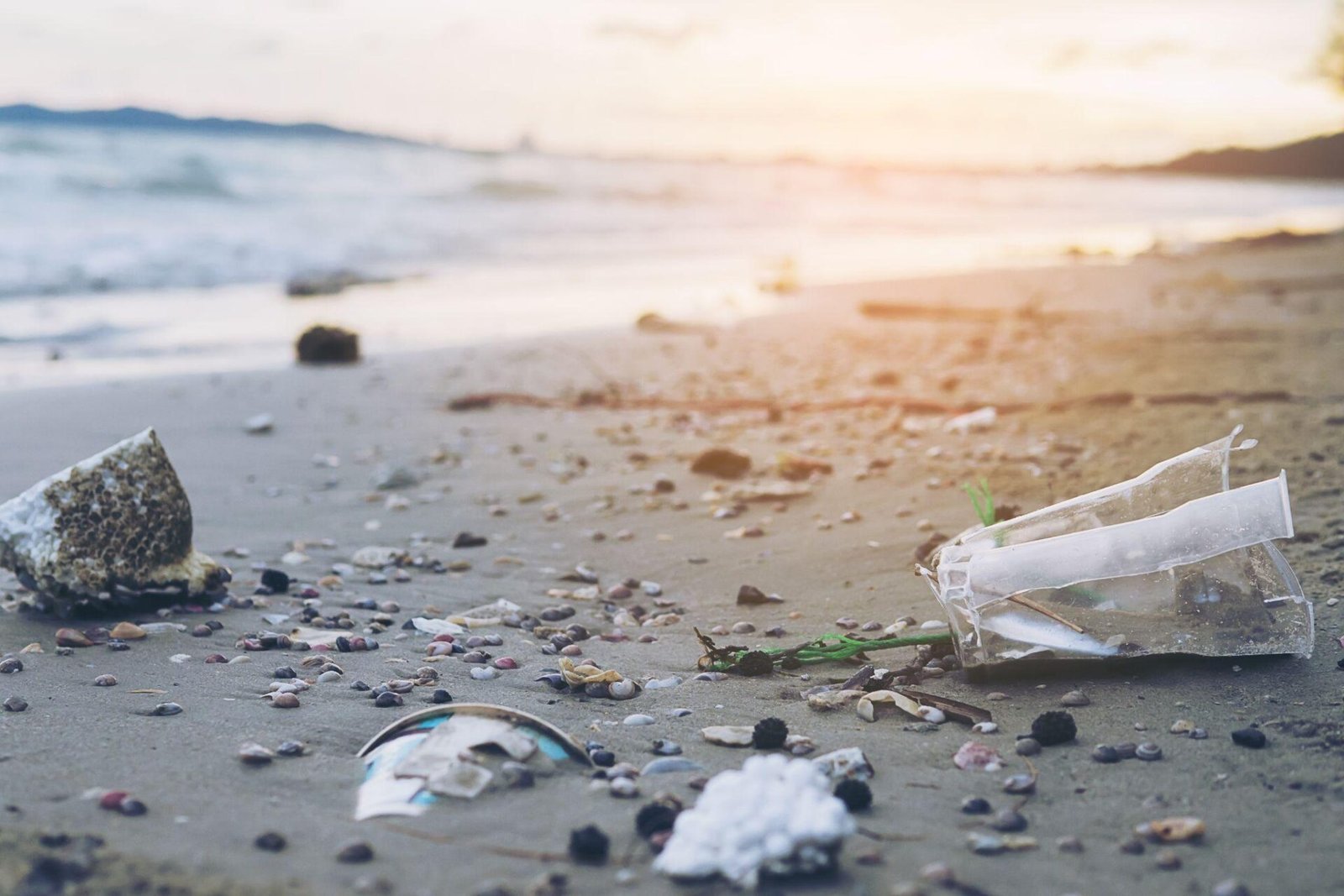

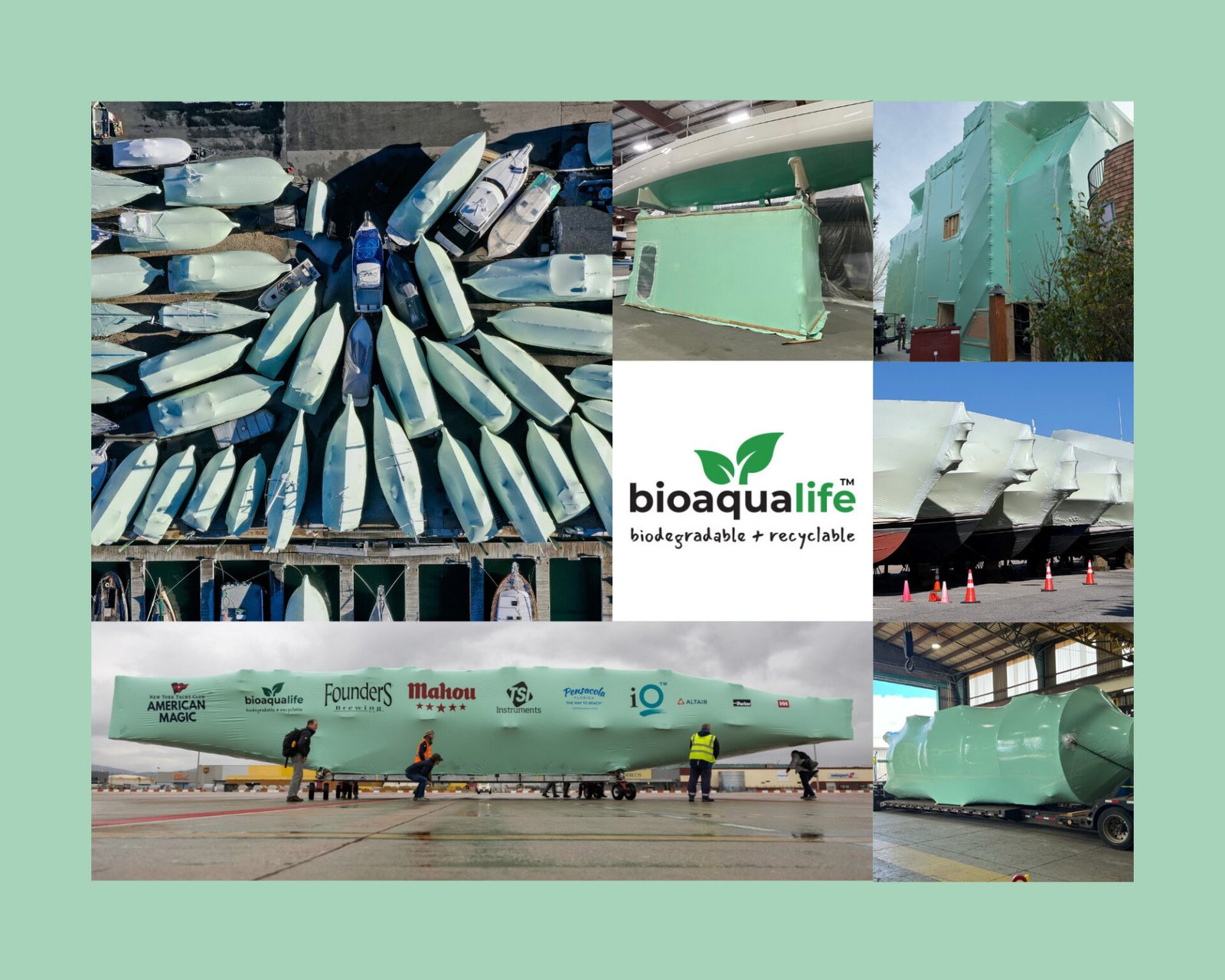
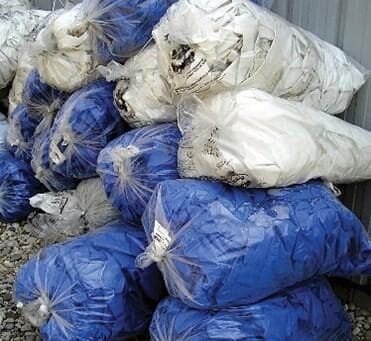
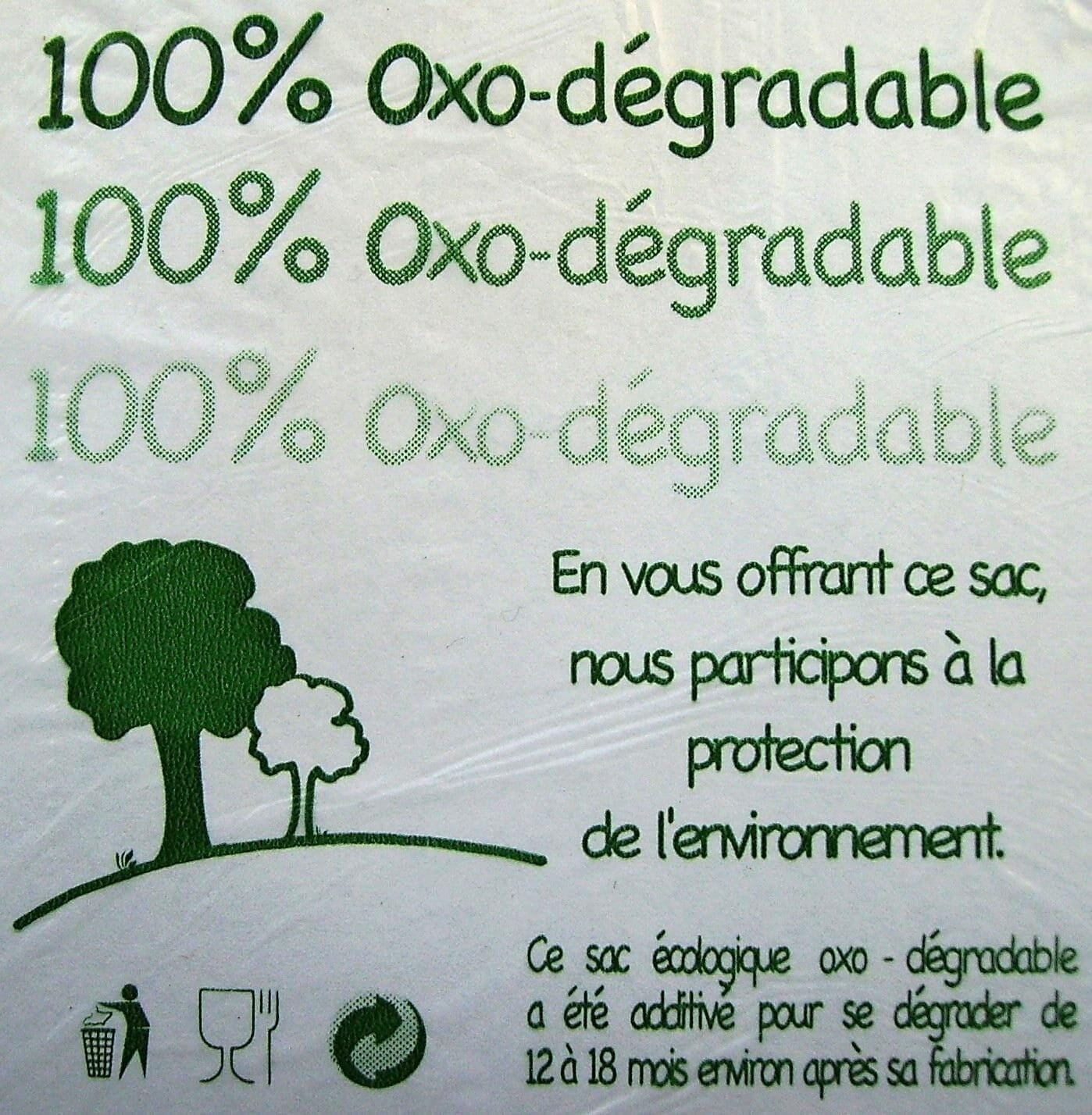
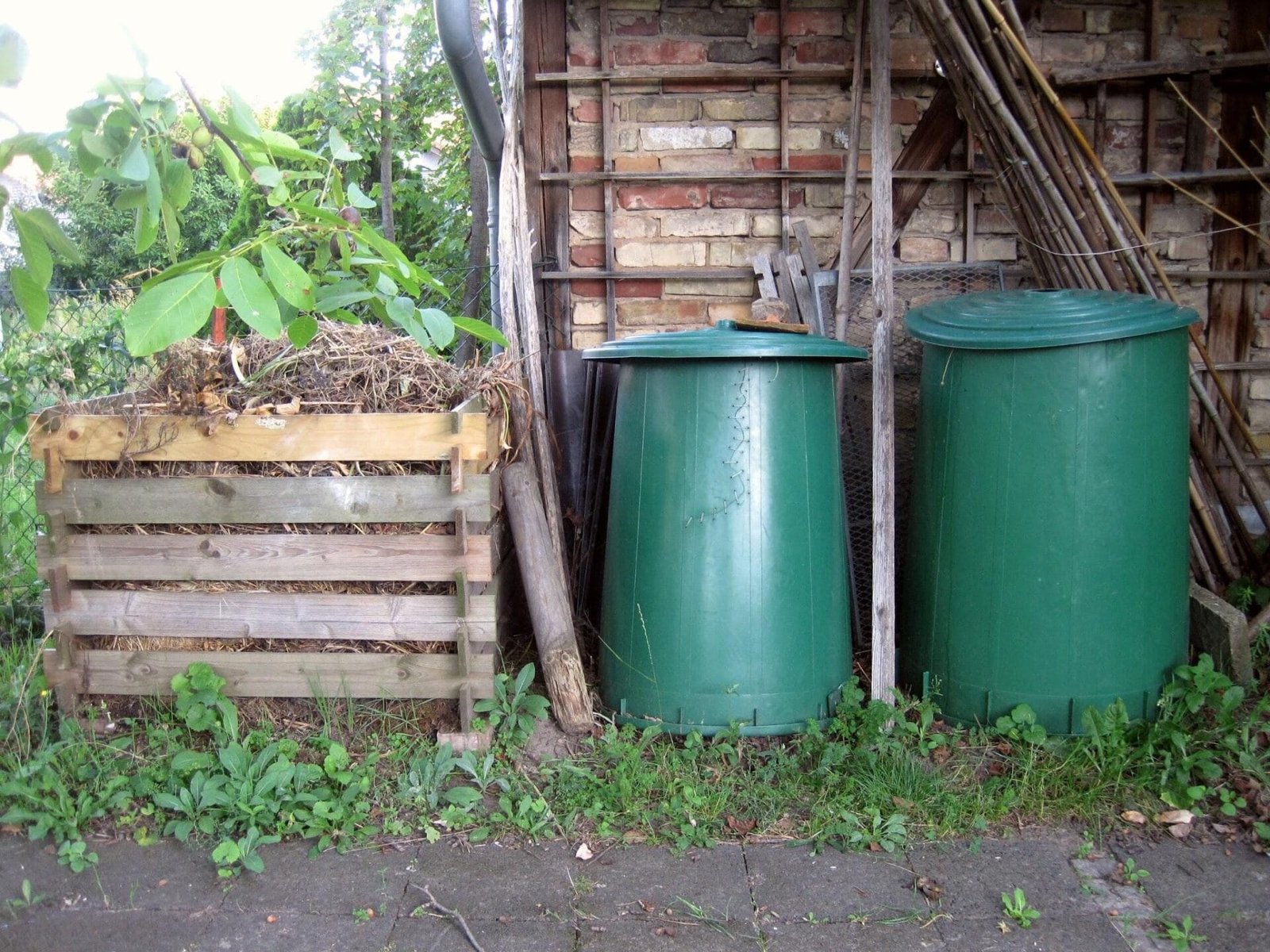

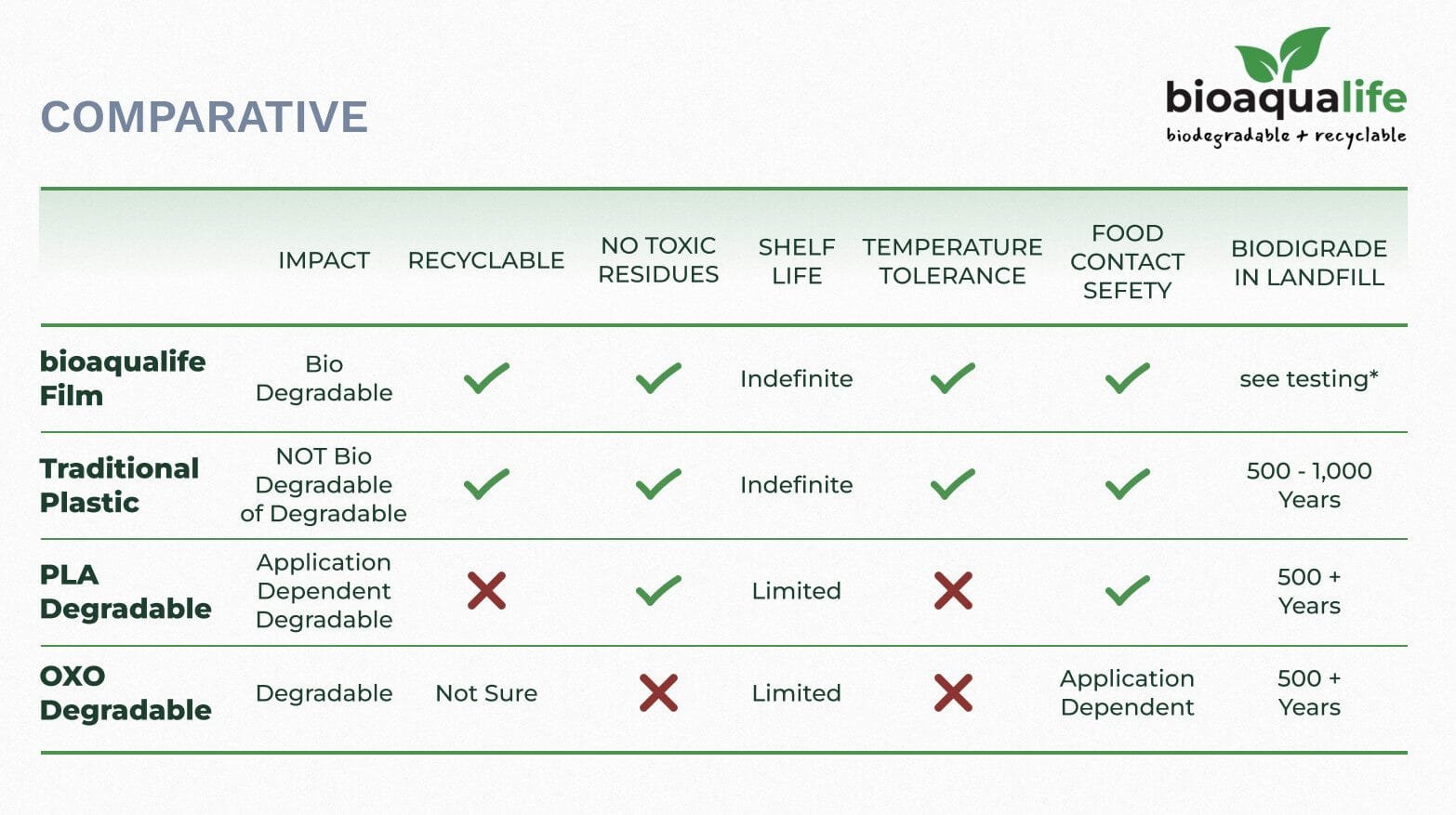





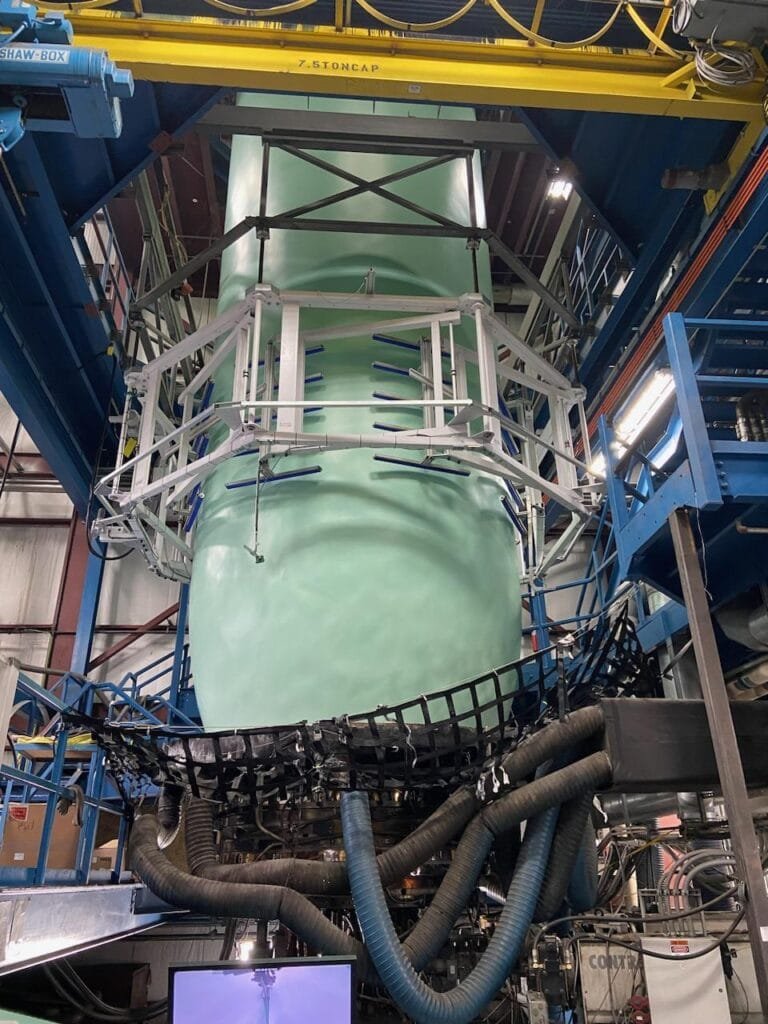
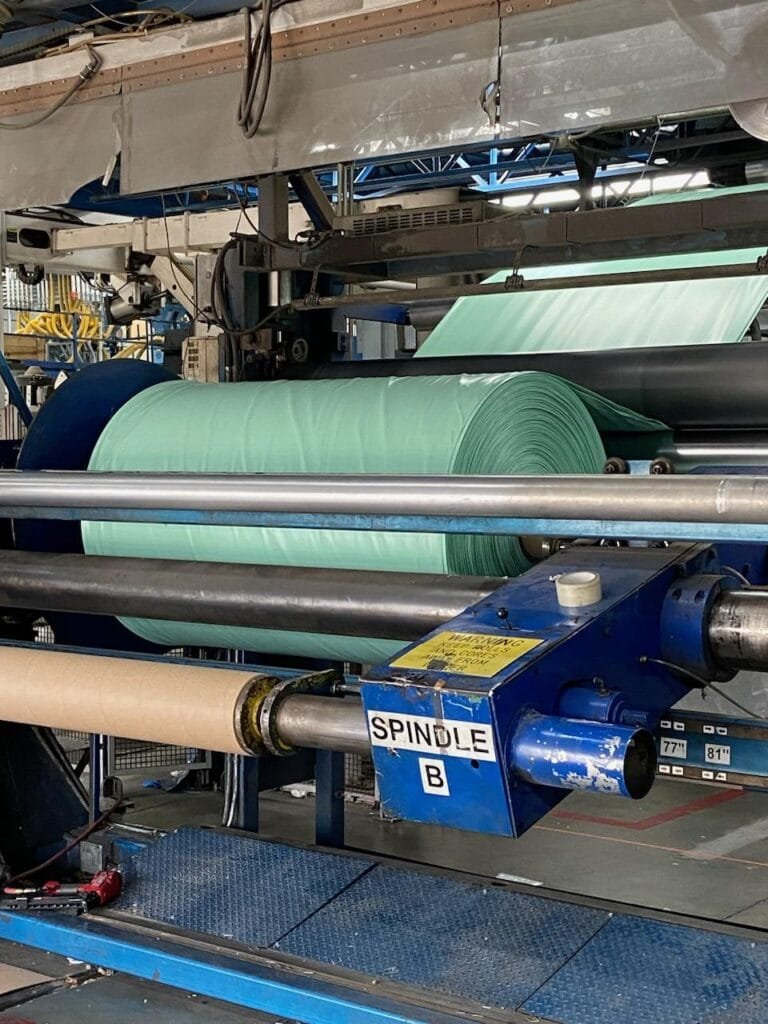

 Understanding the biodegradation process of